TRENDING

Saturday, 19 September 2026
----------------------
8 Rabi' Al-Thani 1448 AH
A sudden influx of migrants into Spain's Ceuta enclave has prompted a majority of EU countries to call for urgent talks, but who bears the human cost of this crisis? As Europe scrambles to respond, what are the power mechanics at play, and what's being downplayed in the official narrative?
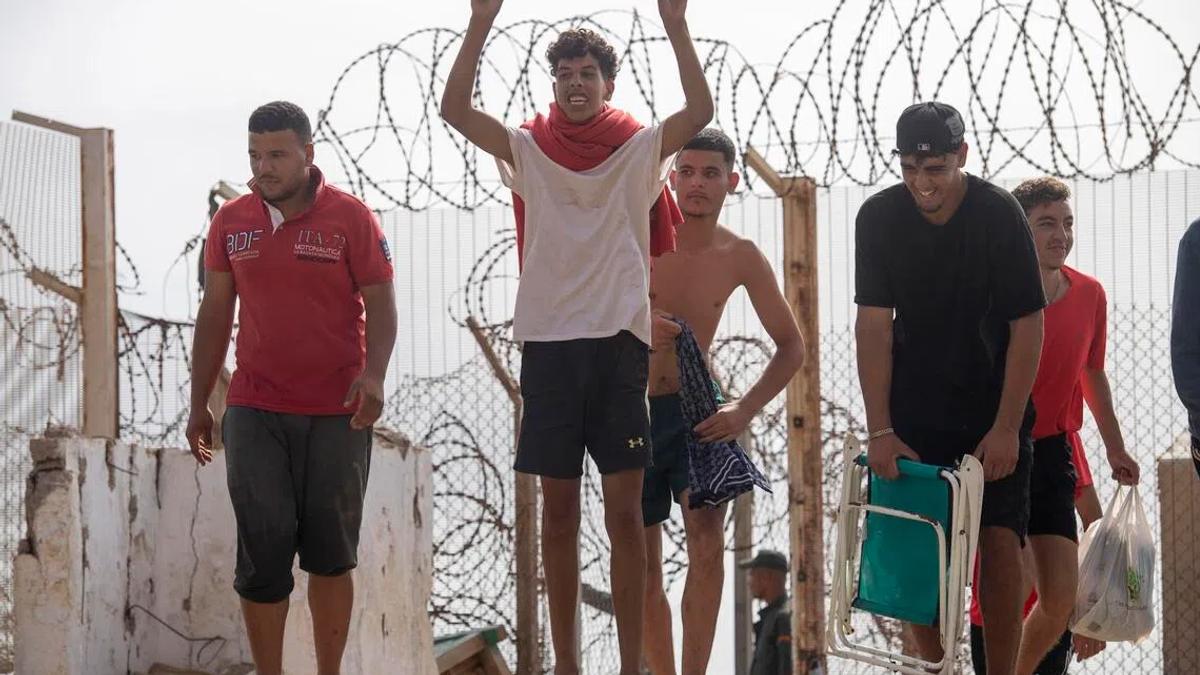
In a matter of days, tens of thousands of migrants crossed into Spain's Ceuta enclave, prompting a majority of EU countries to demand emergency talks. The EU has announced a video meeting to coordinate a response and prevent further uncontrolled crossings. With 22 out of 27 EU member states signing an open letter, the bloc is under pressure to act swiftly.
The migrant influx into Ceuta has exposed the fragility of Europe's border controls and the limits of the Schengen agreement. With Italy and Denmark leading the charge, EU countries are calling for stronger border controls, enhanced Frontex support, and better cooperation with Morocco to deter illegal migration. However, this response also reveals the underlying tensions between EU member states, with some countries like France and Portugal opting not to sign the letter. The EU's rotating presidency, currently held by Ireland, will play a crucial role in coordinating the response.
As the EU scrambles to respond to the crisis, the human cost of this influx is often overlooked. The migrants who crossed into Ceuta are not just statistics; they are people fleeing war, poverty, and persecution. With nearly 60,000 migrants breaching the border in a matter of days, the situation is dire. While Spain's interior ministry claims that most migrants have left Ceuta, the long-term consequences of this crisis remain uncertain. The vulnerable populations affected by this crisis, including women and children, are often left in the shadows of the official narrative.
What's being downplayed in the official narrative is the role of EU foreign policy in contributing to the migrant crisis. The instability in North Africa, fueled in part by EU interventions, has created a perfect storm of migration. Moreover, the EU's cooperation with Morocco raises questions about human rights and border control. As the EU responds to the crisis, it's essential to consider the root causes of migration and the consequences of EU policies on the ground.
As the EU meets to discuss the crisis, readers should watch for the outcome of the video meeting on August 4. Will the EU be able to coordinate a swift and effective response, or will the crisis expose deeper divisions within the bloc? The role of Frontex, the EU's border control agency, will be crucial in determining the success of the response. Additionally, the reaction of Morocco to the EU's proposals will be essential in determining the effectiveness of the response. As the situation unfolds, it's crucial to keep a close eye on the human cost of the crisis and the power mechanics at play.
Editor's Note: The analysis is based on publicly available information and may not reflect the full complexity of the situation on the ground.
Source referenced: STRAITSTIMES
This brief was synthesized by our Editorial Engine and reviewed by The Ground Narrative team.


