TRENDING

Monday, 19 October 2026
----------------------
8 Jumada Al-Awwal 1448 AH
Egypt’s parliament is set to vote on a request to send defensive help to Saudi Arabia as Houthi missiles threaten the Red Sea. The move ties Cairo’s security, economy, and domestic politics to a war that could reshape the Gulf’s balance of power.
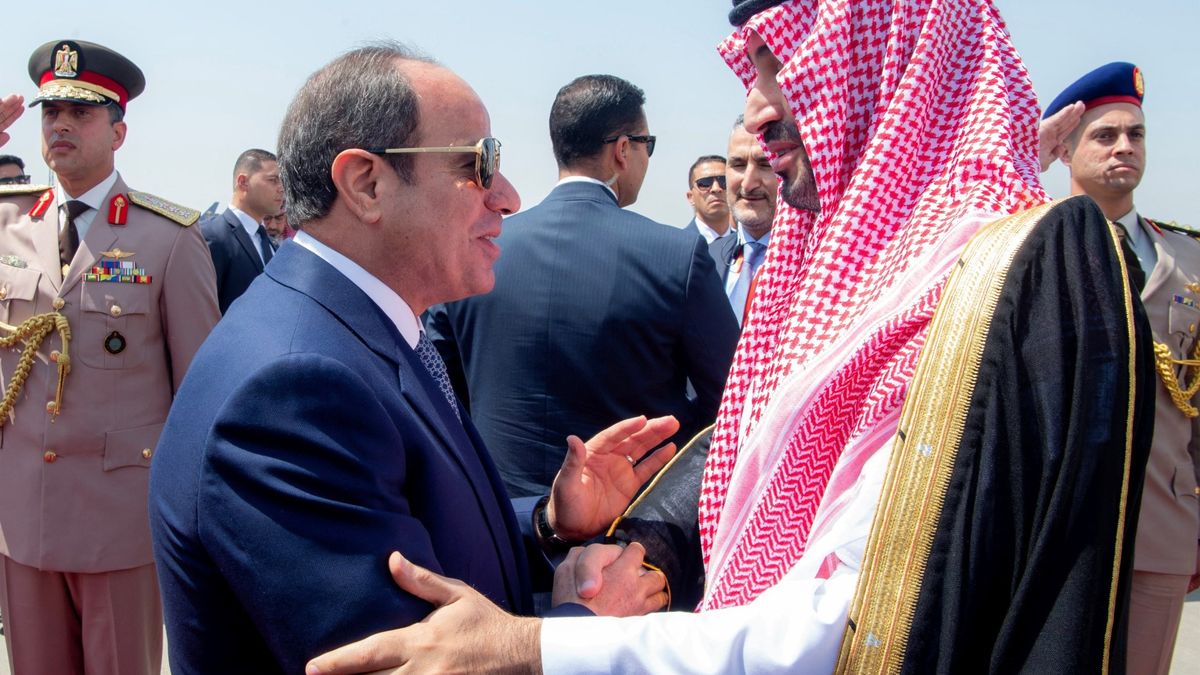
President Abdel Fattah el‑Sisi called an emergency session of Egypt’s House of Representatives on 18 October 2026, asking lawmakers to approve a defensive aid package for Saudi Arabia if Riyadh requests it. The request follows a spate of Houthi‑launched drones and missiles that have struck Riyadh’s airport, oil facilities, and other critical infrastructure. In a televised address, el‑Sisi pledged that Egypt would “carry out any measure to protect” the kingdom, while awaiting a two‑thirds parliamentary majority to legitimize any deployment.
The decision rests on three intersecting incentives. First, the Suez Canal—the lifeline of global trade—has lost an estimated $11 billion in revenue since Houthi attacks on vessels began in 2023, prompting Cairo to safeguard the narrow waterway that underpins its foreign‑exchange earnings. Second, remittances from the millions of Egyptian workers employed in Saudi Arabia constitute the single largest source of foreign currency for Egypt; recent attacks that killed an Egyptian expatriate have turned personal loss into a political flashpoint. Third, the broader regional rivalry with Iran fuels a security calculus: Tehran’s backing of the Houthis threatens both Saudi territory and the maritime routes that Egypt depends on, making a joint defence posture a way for Cairo to signal alignment against Iranian influence while reinforcing its own legitimacy at home.
The Houthi strikes have already claimed the life of an Egyptian laborer in Riyadh and injured several others. For families back home, each casualty translates into lost wages and heightened anxiety, especially as the Saudi economy faces the prospect of reduced oil exports and tourism revenue.
Port fees and transit charges fund a substantial portion of Egypt’s budget. The $11 billion shortfall has forced the government to tap reserves and delay infrastructure projects, directly affecting construction workers, truck drivers, and small‑scale traders who rely on steady canal traffic.
Escalation of the Saudi‑backed coalition’s air raids on Hodeidah and other ports has increased civilian casualties, displacement, and humanitarian needs in Yemen. While Egypt’s involvement would be defensive, any expansion of the conflict risks widening the humanitarian crisis.
Frequent drone attacks on Riyadh’s King Khalid International Airport have disrupted travel for millions, strained emergency services, and heightened public fear. The prospect of additional foreign forces on Saudi soil may also provoke retaliatory strikes that endanger nearby civilian populations.
Official Saudi statements frame the Houthi threat as a solitary battle, emphasizing the kingdom’s own military capabilities while quietly courting Egyptian support. This framing minimizes the perception that Riyadh’s security now hinges on a neighbor’s political will.
El‑Sisi’s pledge taps nationalist sentiment, but it also serves a domestic purpose: consolidating power ahead of the parliamentary vote and deflecting criticism over economic hardships. By positioning Egypt as the defender of the holy sites and the Red Sea, the regime seeks to rally public approval and silence dissent.
The United States and European powers have offered limited diplomatic condemnation of Houthi attacks but have avoided committing to a broader coalition that includes Egypt. Their reticence masks a strategic calculation to keep the Gulf balance stable without entangling additional regional actors.
The immediate test will be the parliamentary vote; a two‑thirds majority would grant el‑Sisi the legal cover to deploy air‑defence systems, naval escorts, and intelligence assets to Saudi territory. Observers should monitor the composition of any Egyptian contingent—whether it remains limited to missile‑defence batteries or expands into ground forces, which would signal a deeper bilateral security pact.
Beyond the vote, the next indicators are Houthi retaliation patterns. An uptick in long‑range missile launches toward Egyptian naval assets in the Red Sea would suggest that Cairo’s involvement has escalated the conflict’s geographic scope. Simultaneously, any disruption to Suez Canal traffic—delays, rerouting, or insurance premium spikes—will reveal the economic feedback loop that motivated the aid request.
Finally, the reaction of external powers matters. A coordinated response from the United States, NATO, or the European Union—whether in the form of intelligence sharing, joint exercises, or diplomatic pressure on Iran—could either bolster Egypt’s defensive posture or expose the limits of its regional influence. Tracking these moves will help gauge whether Cairo’s pledge becomes a lasting security bridge or a temporary political gesture.
Egypt is likely to offer air‑defence systems, anti‑drone technology, naval escort vessels, and intelligence sharing, while avoiding large‑scale ground troop deployments in Yemen.
A two‑thirds approval would legally enable Egypt to send forces, signaling a deeper bilateral security tie and potentially prompting a stronger Houthi response across the Red Sea corridor.
Source referenced: ALJAZEERA
This brief was synthesized by our Editorial Engine and reviewed by The Ground Narrative team.