TRENDING

Sunday, 20 September 2026
----------------------
9 Rabi' Al-Thani 1448 AH
Cuba's recurring power outages have become a symbol of the island's deepening economic crisis, with millions left vulnerable to frequent blackouts. The latest collapse of the national electrical grid has underscored the fragility of the power system, fueled by fuel shortages, aging infrastructure, and chronic underinvestment.
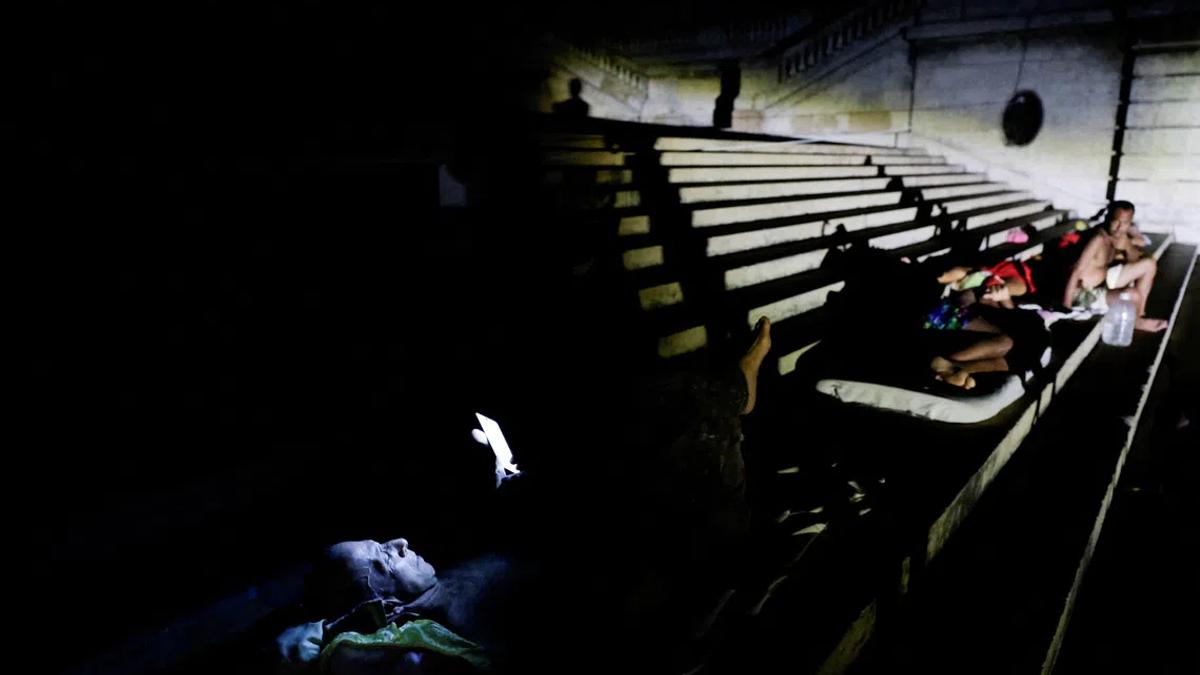
Cuba's national electrical grid collapsed again on Monday, marking a fresh setback in the country's energy crisis. The second collapse in less than a day has left millions without power, disrupting homes, businesses, and public services across the Caribbean island.
The power outages in Cuba are not just a result of technical failures, but also a symptom of a broader economic crisis. The country's thermal generating fleet, much of it decades old, has suffered recurring breakdowns due to fuel shortages and maintenance problems. The US sanctions and trade restrictions have limited Cuba's access to fuel, financing, and spare parts, making it difficult to maintain the power system. On the other hand, Washington argues that the outages reflect the failures of Cuba's state-run economic model.
The repeated blackouts have taken a toll on the Cuban people, who are already struggling with shortages of food, fuel, and medicine. The outages have disrupted daily life, affecting not only homes and businesses but also public services such as hospitals and schools. The vulnerable populations, including the elderly and young children, are disproportionately affected by the lack of access to basic necessities like electricity and healthcare.
While the Cuban government blames the US sanctions for the power outages, and Washington points to the failures of the state-run economic model, there is a more nuanced story behind the crisis. The lack of investment in the power sector, coupled with the country's dependence on imported fuel, has made the grid vulnerable to disruptions. Furthermore, the diplomatic dimension of the crisis, with Cuba seeking to blame external factors for its economic woes, has overshadowed the need for internal reforms and diversification of the energy sector.
As Cuba struggles to restore power and address its energy crisis, several factors will be crucial to watch. The government's ability to secure financing and spare parts to maintain the power system will be essential. Additionally, the impact of the outages on the already-strained economy, including the potential for increased food and medicine shortages, will be critical. The diplomatic efforts to resolve the crisis, including potential negotiations with the US to ease sanctions, will also be worth monitoring. Ultimately, the Cuban people will be watching to see if their government can provide a stable and reliable supply of electricity, a basic necessity that has become a luxury in the island nation.
Editor's Note: The analysis is based on publicly available information and may not reflect the full complexity of the situation on the ground.
Source referenced: STRAITSTIMES
This brief was synthesized by our Editorial Engine and reviewed by The Ground Narrative team.


