TRENDING

Sunday, 20 September 2026
----------------------
9 Rabi' Al-Thani 1448 AH
Brazilian President Luiz Inacio Lula da Silva has launched his campaign for a fourth term, focusing on national sovereignty and warning against foreign control of the country's mineral wealth. The move reflects growing tensions between Brasilia and Washington, with Lula seeking to cast the election as a choice between national independence and submission to foreign interests.
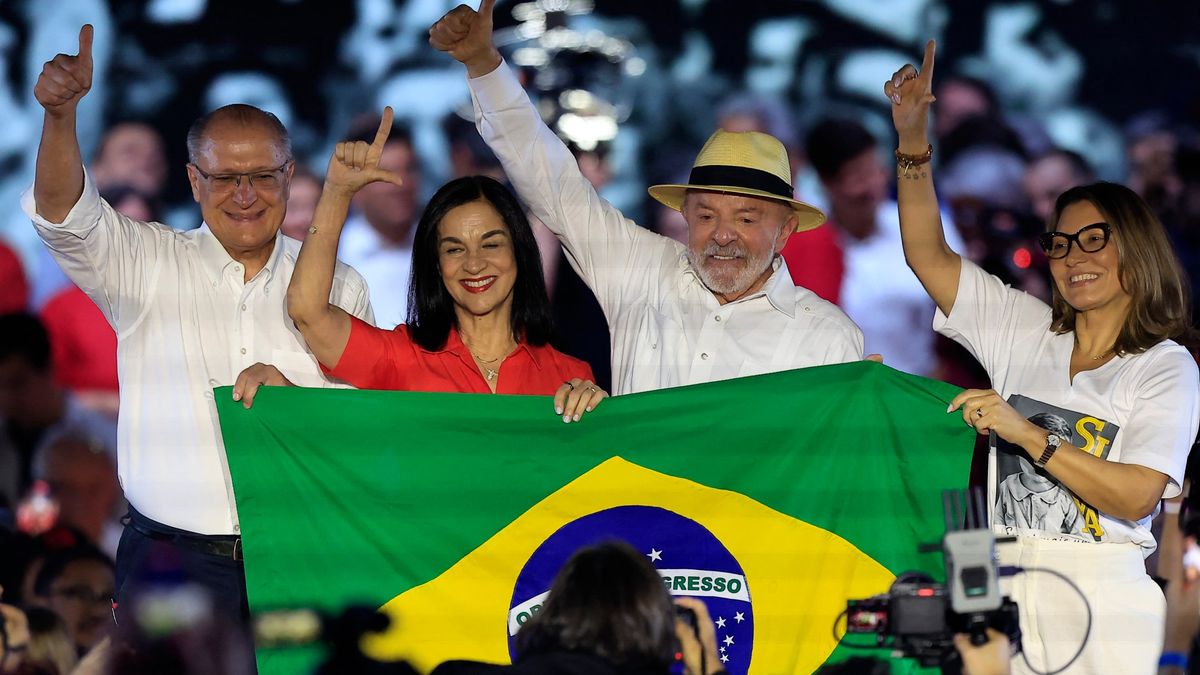
Brazilian President Luiz Inacio Lula da Silva has formally launched his campaign for a fourth term, with a focus on national sovereignty and protecting Brazil's mineral wealth from foreign control. The 80-year-old politician, who returned to power in 2023 after serving two previous terms, announced his bid at a Workers' Party convention in Sao Paulo, where he warned that China, the United States, and France would not be allowed access to Brazil's mineral wealth without respecting the country's sovereignty.
Lula's message reflects growing tensions between Brasilia and Washington, with the United States imposing tariffs on Brazilian goods in July. The Brazilian government has rejected the accusations of unfair trade practices, and Lula has sought to use the Bolsonaro family's relationship with Trump to cast the election as a choice between national independence and submission to foreign interests. This move is a classic example of sovereignty politics, where a leader uses the threat of foreign interference to rally domestic support and consolidate power.
The election will have significant implications for the lives of ordinary Brazilians, particularly those in poorer communities who have benefited from Lula's social programs. Rising living costs and concerns over the public deficit remain significant weaknesses for the government, and crime is expected to be a major election issue. The Amazon deforestation rate, which has fallen to its lowest level in a decade under Lula, is also a critical issue that will impact the lives of indigenous communities and the environment.
What is being downplayed in the official statements is the extent of foreign influence in Brazil's election. The close ties between the Bolsonaro family and Trump, as well as the alleged corruption investigations surrounding both camps, are being omitted from the official narrative. Additionally, the role of rare earths and critical minerals in Brazil's economy is being framed as a national security issue, rather than a complex economic and environmental challenge.
Readers should watch for the reaction of the United States to Lula's sovereignty message, as well as the response of the Brazilian electorate to the election campaign. The performance of the economy and the level of crime will also be critical factors in determining the outcome of the election. As the campaign heats up, it is essential to keep an eye on the allegations of corruption and the extent of foreign interference in the election process.
Editor's Note: The analysis is based on publicly available information and may not reflect the full complexity of the situation on the ground.
Source referenced: ALJAZEERA
This brief was synthesized by our Editorial Engine and reviewed by The Ground Narrative team.


