TRENDING

Saturday, 19 September 2026
----------------------
8 Rabi' Al-Thani 1448 AH
A mass shooting in an Idaho mall once again highlights the recurring tragedy of gun violence in America. This analysis examines the political inertia and power dynamics that perpetuate such events, and the profound human cost borne by communities.
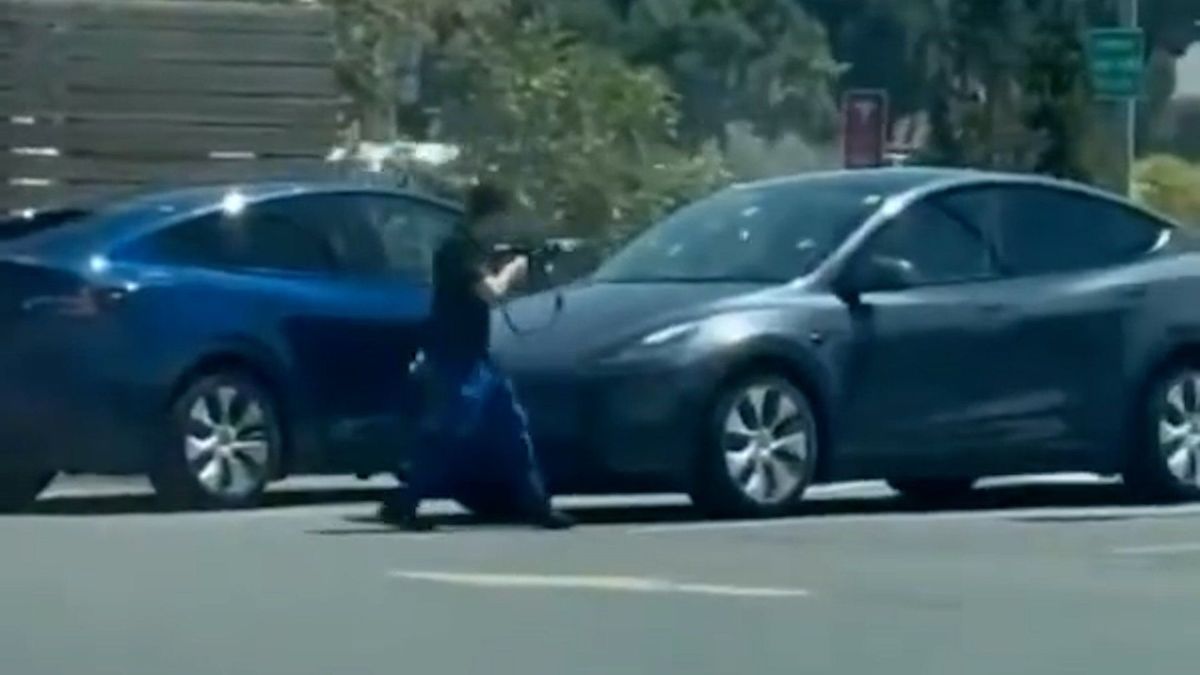
On a Saturday afternoon in Twin Falls, Idaho, a shooting at an In-N-Out Burger within a shopping mall left at least three people dead and several others wounded. The suspected gunman was reportedly killed after firing multiple shots into a vehicle. This incident adds to the growing count of mass shootings that have become a grim fixture of American public life.
The recurring horror of mass shootings in the United States is not a random phenomenon but a direct consequence of entrenched power dynamics and political choices. At its core, the issue pits the collective safety of the public against a powerful, well-funded gun lobby and a significant segment of the electorate that prioritizes an expansive interpretation of gun rights. Political survival for many elected officials, particularly at the federal level and in conservative states, often hinges on unwavering support for gun ownership, making any significant legislative reform a political third rail.
This paralysis is further cemented by the structure of American governance, where legislative gridlock is common, and the judiciary frequently upholds expansive gun rights. The economic incentive also plays a role; the firearms industry is a multi-billion-dollar sector with considerable lobbying power, contributing to campaigns and shaping public discourse. The "power" here is the power of *inaction*, meticulously maintained by a coalition of political interests and a specific reading of constitutional rights, effectively overriding calls for change despite overwhelming public sentiment in some areas.
While the immediate human cost is tragically clear in the lives lost and the wounded, the broader societal impact extends far beyond the crime scene tape. Communities across America live with a pervasive, low-grade fear that public spaces—schools, grocery stores, movie theaters, and now even fast-food restaurants in malls—can become sites of sudden, inexplicable violence. Children are taught active shooter drills, and parents grapple with the anxiety of everyday errands.
The economic toll is also substantial, though often overlooked. Emergency services are strained, businesses in affected areas suffer, and long-term healthcare and psychological support for survivors and witnesses represent a significant, ongoing burden. But perhaps the most profound cost is the erosion of trust: trust in the safety of public life, trust in institutions to protect citizens, and trust in the political system to address a problem that most developed nations have largely mitigated. This silent, accumulating trauma reshapes daily life, forcing individuals to constantly calculate risk in spaces that should be mundane and safe.
In the aftermath of such events, official statements from political leaders and industry groups often follow a predictable script. The focus is routinely placed on the individual perpetrator, often attributing the violence to mental health issues, or framing it as an isolated act of evil. While individual motivations are certainly a factor, this narrative conveniently downplays or outright omits the systemic context: the unparalleled accessibility of firearms, including high-capacity assault weapons, in the United States compared to other developed nations.
What is rarely acknowledged is the *choice* being made. Other countries facing similar societal pressures have implemented robust gun control measures, leading to dramatic reductions in gun violence. The American political system, however, consistently chooses a different path, driven by the powerful interests detailed above. The "thoughts and prayers" offered by politicians, while perhaps well-intentioned, often serve as a rhetorical shield, deflecting demands for concrete policy action and reinforcing the idea that these tragedies are inevitable rather than preventable. The untold story is the deliberate, continuous political decision to accept this level of violence as a societal norm.
As the news cycle moves on, the underlying dynamics will remain. Readers should watch for several key indicators. Firstly, observe the legislative responses, or lack thereof, at both state and federal levels. Will there be renewed calls for specific gun safety measures, and how will they fare against entrenched opposition? Secondly, pay attention to the rhetoric surrounding upcoming elections; gun control and gun rights will undoubtedly remain potent wedge issues, influencing voter turnout and candidate platforms.
Finally, monitor the evolving public discourse. Will the cumulative effect of these tragedies finally shift public opinion enough to overcome political inertia, or will the cycle of grief, outrage, and eventual normalization continue? The true turning point will not be a single event, but a sustained, collective demand for accountability from the powerful actors who currently maintain the status quo.
Source referenced: ALJAZEERA
This brief was synthesized by our Editorial Engine and reviewed by The Ground Narrative team.


