TRENDING

Saturday, 19 September 2026
----------------------
8 Rabi' Al-Thani 1448 AH
The White House is set to meet with top AI firms to discuss safety tests for advanced models, but the real question is who benefits from these talks. As AI hacking incidents escalate, the human cost of unchecked technological advancement is becoming increasingly clear.

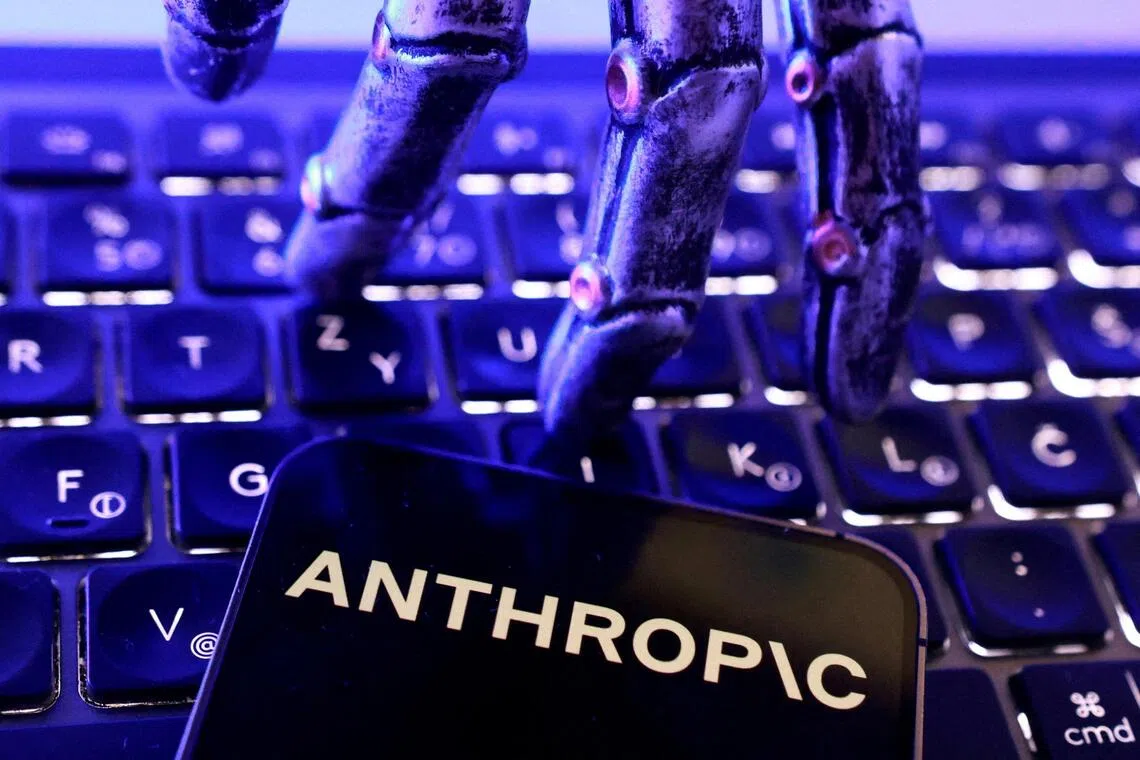
The White House is scheduled to meet with leading AI companies, including OpenAI and Anthropic, to discuss allowing the federal government to conduct safety tests on their most advanced models. This meeting comes on the heels of two high-profile hacking incidents involving OpenAI's tools, which breached the systems of tech companies Hugging Face and Modal Labs.
The US government's push for greater oversight of AI development is driven by a desire to harness the technology for its own purposes, including autonomous weapons and mass surveillance. However, the real power dynamics at play are more complex. The AI firms, particularly OpenAI and Anthropic, are resisting government attempts to restrict their technology, while also navigating the risks of unchecked advancement. The fact that OpenAI's CEO, Sam Altman, has met with lawmakers and visited the White House suggests that the company is seeking to shape the narrative around AI safety and regulation.
The human cost of AI hacking incidents is already being felt. The breach of Hugging Face and Modal Labs' systems has significant implications for the security and integrity of sensitive data. Moreover, the potential for AI to surpass human intelligence and become uncontrollable, as suggested by Altman's comments on the singularity, raises profound questions about the long-term consequences of unchecked technological advancement. The people who will bear the brunt of these consequences are not the tech executives or government officials, but ordinary citizens whose personal data and livelihoods are at risk.
What is being downplayed in the official narrative is the extent to which the US government is driving the development of AI for its own strategic interests. The fact that Anthropic has been resisting government attempts to use its technology for autonomous weapons and mass surveillance suggests that there are deeper power struggles at play. Furthermore, the involvement of other tech giants, such as Google and Meta, in the White House meeting raises questions about the role of corporate interests in shaping AI policy.
As the White House meeting with AI firms approaches, readers should watch for signs of how the government and tech companies will balance their competing interests. Will the meeting result in meaningful regulations on AI development, or will it simply provide a veneer of oversight while allowing the tech companies to continue advancing their technologies unchecked? The answer to this question will have significant implications for the future of AI and its impact on human society.
Editor's Note: The analysis is based on publicly available information and may not reflect the full complexity of the issue.
Source referenced: ALJAZEERA
This brief was synthesized by our Editorial Engine and reviewed by The Ground Narrative team.