TRENDING

Thursday, 6 August 2026
----------------------
23 Safar 1448 AH
Yemen's Iran-aligned Houthis have claimed responsibility for attacking Saudi oil tankers in the Red Sea and Gulf of Aden, escalating a conflict that has been raging for years. The human cost of this war is staggering, with millions of civilians caught in the crossfire.
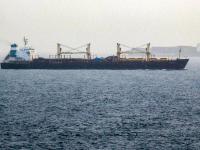
Yemen's Iran-aligned Houthis have launched a missile attack on a Saudi oil tanker off the coast of the kingdom's Red Sea port city of Yanbu and another missile attack on a Saudi oil tanker in the Gulf of Aden. The attacks are the latest escalation in a conflict that has been ongoing for years, with the Houthis imposing a naval blockade on Saudi Arabia in the Red Sea since July.
The conflict in Yemen is a complex web of regional and international power struggles. The Houthis, backed by Iran, are fighting against the Saudi-led coalition, which is supported by the United States. The war is not just about Yemen, but about the broader struggle for influence in the Middle East. Saudi Arabia's oil exports are a critical component of the global energy market, and any disruption to these exports could have significant economic implications.
The people of Yemen are bearing the brunt of this conflict. Millions of civilians are caught in the crossfire, with many struggling to access basic necessities like food, water, and healthcare. The war has also had a devastating impact on the country's infrastructure, with hospitals, schools, and homes destroyed or damaged. The humanitarian crisis in Yemen is one of the worst in the world, with over 20 million people in need of assistance.
What is often downplayed in the coverage of this conflict is the role of external powers in perpetuating the war. The United States, in particular, has been criticized for its support of the Saudi-led coalition, which has been accused of war crimes. The Houthis, on the other hand, have been accused of human rights abuses, including the use of child soldiers. The international community has been slow to respond to the crisis, with many countries prioritizing their own interests over the needs of the Yemeni people.
As the conflict in Yemen continues to escalate, there are several key developments to watch. The reaction of the international community will be critical, with the United Nations and other organizations facing pressure to take a more active role in resolving the conflict. The impact on global energy markets will also be significant, with any disruption to Saudi oil exports potentially having far-reaching economic implications. Finally, the humanitarian situation will continue to deteriorate, with millions of civilians in need of assistance.
Editor's Note: The situation in Yemen is complex and rapidly evolving, with multiple sources providing conflicting information. This analysis is based on the best available information at the time of writing.
Source referenced: STRAITSTIMES
This brief was synthesized by our Editorial Engine and reviewed by The Ground Narrative team.