TRENDING

Monday, 3 August 2026
----------------------
20 Safar 1448 AH
Fast-moving wildfires have ravaged over 250,000 acres across Washington state and neighboring British Columbia, forcing mass evacuations and raising concerns about global heat. The crisis has significant implications for regional ecosystems, economic stability, and human well-being. As the situation unfolds, it is crucial to examine the power dynamics at play and the often-overlooked human cost of such disasters.
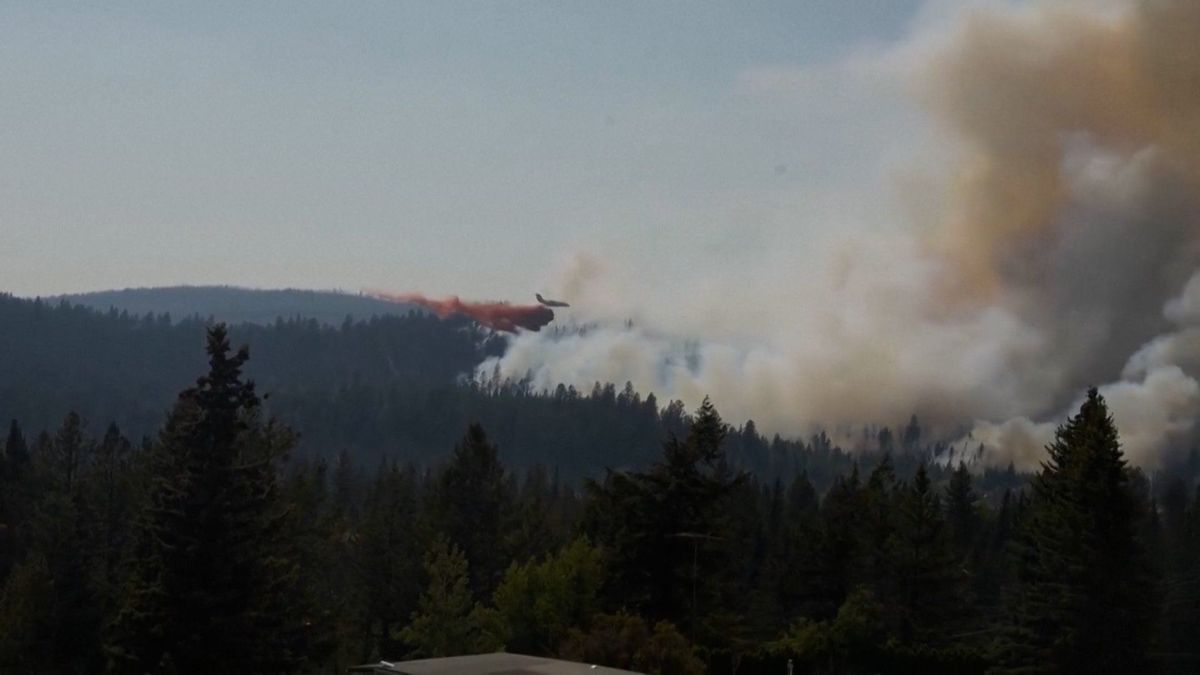
Wildfires have been sweeping across the Pacific Northwest, affecting both the United States and Canada. The immediate impact has been the evacuation of communities around Spokane in Washington state and the threat to neighboring areas in British Columbia. This crisis is part of a larger pattern of worsening global heat, as warned by the UN.
The power mechanics at play involve not just the immediate response to the wildfires but also the broader structural issues that contribute to such disasters. Climate change, driven by the actions of powerful nations and corporations, is a significant factor. The economic interests of these entities often clash with the need for environmental protection, leading to inadequate preparedness and response to natural disasters. Furthermore, the geopolitical dynamics between the U.S. and Canada, while generally cooperative, can influence how resources are allocated and how responses are coordinated across borders.
The human cost of these wildfires is substantial, with thousands forced to evacuate their homes and livelihoods threatened. The impact on indigenous communities, who have traditional lands in the affected areas, is particularly significant. These communities often have limited resources and infrastructure to respond to such disasters, exacerbating their vulnerability. Moreover, the long-term health effects of wildfires, including increased risk of respiratory diseases from air pollution, will be borne by the local population, including children and the elderly, who are most susceptible to such health impacts.
What is often downplayed in the discussion of wildfires is the role of corporate interests in exacerbating climate change. The extraction and burning of fossil fuels, driven by profit motives, contribute significantly to greenhouse gas emissions. Additionally, the lack of investment in climate resilience and disaster preparedness in vulnerable communities is a critical oversight. Powerful actors may also downplay the cross-border implications of such disasters, which can strain international relations and highlight the need for more cooperative environmental policies.
As the situation in the Pacific Northwest continues to unfold, several factors will be crucial to watch. The response of local and national governments to the immediate needs of affected communities will be telling, as will their commitment to addressing the root causes of such disasters. The international community's reaction, particularly in terms of offering aid and support, will also be significant. Lastly, the long-term recovery efforts and how they prioritize the needs of vulnerable populations, including indigenous communities, will be an important indicator of the sincerity of commitments to environmental protection and human rights.
Editor's Note: The analysis is based on current trends and available data. However, the evolving nature of wildfires and climate change means that the situation could develop in unforeseen ways.
Source referenced: ALJAZEERA
This brief was synthesized by our Editorial Engine and reviewed by The Ground Narrative team.