TRENDING

Saturday, 19 September 2026
----------------------
8 Rabi' Al-Thani 1448 AH
The Trump administration has barred major news outlets from the White House, sparking a constitutional debate over press freedom. This move reveals a deeper struggle for control over public information and accountability.
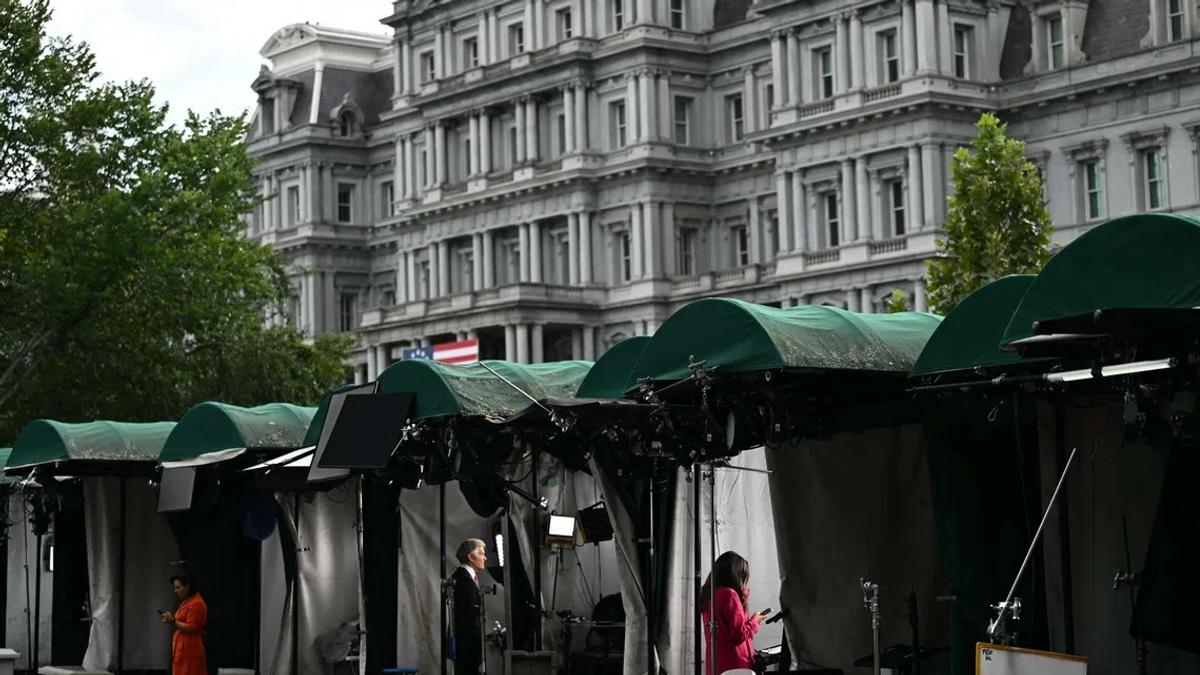
On September 19, US media outlets CNN and MS NOW, alongside Politico, were formally denied access to the White House grounds. This action followed President Donald Trump's announcement a day prior, citing their reporting as "fake news." Both CNN and MS NOW have condemned the ban as a violation of the US Constitution and vowed to pursue legal challenges, while the White House referred inquiries back to the President's statements on his Truth Social platform.
This ban represents a direct assertion of executive power over the flow of information, leveraging the President's authority to control access to the physical space of the White House. Historically, US presidents have maintained a contentious relationship with the press, but outright barring major news organizations is a rare and significant escalation. The power dynamic at play is multifaceted: the executive branch seeks to control its narrative and delegitimize critical reporting, while the press asserts its constitutional role as a check on power. For the President, this move serves several strategic purposes: it energizes his base by framing mainstream media as an antagonist, deflects attention from pressing national issues like an unpopular war in Iran and rising domestic prices, and attempts to suppress unfavorable coverage ahead of crucial midterm elections where his party's control of Congress is at risk. The legal system, which previously overturned a similar ban against a CNN reporter, now becomes the next battleground, highlighting the judiciary's role in mediating disputes between the executive and the fourth estate.
The immediate cost of this decision is borne not by the banned news organizations, which have the resources to fight back, but by the American public. The White House, as MS NOW rightly stated, "belongs to the American people," funded by their tax dollars. When access is restricted, the public's ability to receive unfiltered, diverse information about the decisions made by their government is curtailed. This creates an information vacuum where official narratives can dominate unchallenged, making it harder for citizens to make informed decisions, hold their leaders accountable, or understand the true implications of policy. It erodes trust in both the media and government institutions, fostering an environment ripe for misinformation and political polarization, ultimately weakening the foundations of democratic participation.
While the President frames the ban as a necessary measure against "fake news," the underlying motivations are largely omitted from official statements. This move is less about journalistic accuracy and more about political survival and narrative control. The ban coincides with President Trump's record-low approval ratings and significant political headwinds from an ongoing war and economic inflation. By attacking the media, the administration shifts the focus from its policy challenges to a perceived external enemy, rallying supporters and creating a common adversary. What's downplayed is the chilling effect this has on the broader journalistic landscape, implicitly warning other outlets that critical reporting could lead to similar exclusion. This isn't just about three news organizations; it's a strategic move to redefine the relationship between the presidency and the press, where access becomes a privilege granted for favorable coverage, rather than a right essential for a functioning democracy.
Observers should closely watch several key developments. Firstly, the legal challenges mounted by the banned outlets will test the constitutional limits of executive power regarding press access. A court ruling could either reinforce or significantly alter the norms of White House press relations. Secondly, the midterm elections in November will serve as a crucial barometer of public sentiment, indicating whether the administration's strategy of media delegitimization resonates with voters or backfires. Thirdly, the response of other media organizations will be critical; whether they unite in solidarity or succumb to pressure could shape the future of White House reporting. Finally, the long-term impact on public trust in institutions – both the presidency and the press – will determine the health of democratic discourse in the US. The outcome of this battle for information control will have lasting consequences far beyond the current administration.
Source referenced: STRAITSTIMES
This brief was synthesized by our Editorial Engine and reviewed by The Ground Narrative team.


