TRENDING

Saturday, 19 September 2026
----------------------
8 Rabi' Al-Thani 1448 AH
US senators are calling for elections in Venezuela, seven months after President Trump's administration intervened in the country's politics. The move comes amid frustration over the lack of progress toward free and fair elections. The people of Venezuela continue to bear the human cost of the political stalemate.
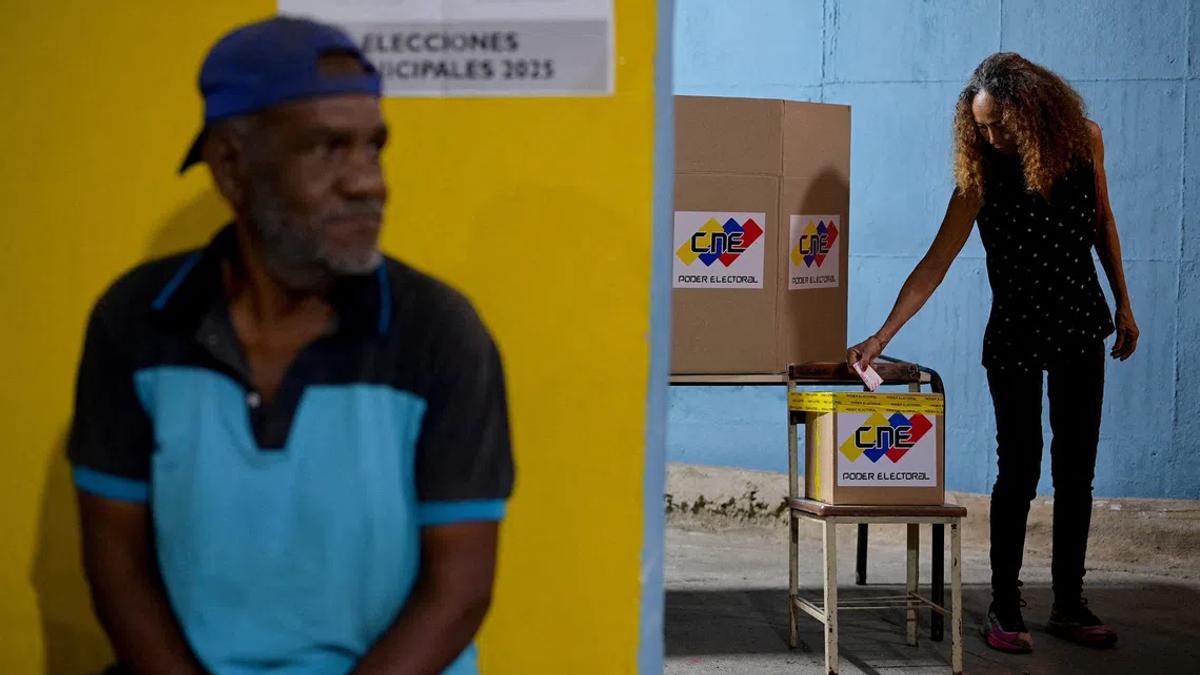
A group of US senators from both parties has introduced a resolution calling for elections in Venezuela, seven months after the Trump administration's intervention in the country's politics. The resolution, sponsored by Republican Senator Ted Cruz and Democratic Senator Jeanne Shaheen, reaffirms US support for elections in Venezuela and demands the release of political prisoners.
The US has significant influence over Venezuela's political landscape, and the Trump administration's actions have been driven by a desire to shape the country's future. The US has been a key player in recognizing the opposition leader, Juan Guaidó, as the legitimate president of Venezuela, and has imposed sanctions on the Maduro regime. However, the US has also been criticized for its handling of the situation, particularly with regards to its treatment of Nobel Peace Prize winner Maria Corina Machado, who has been publicly sidelined by Washington despite her popularity among Venezuelans.
The people of Venezuela have borne the brunt of the political crisis, with many struggling to access basic necessities like food and medicine. The country's economy has been devastated by hyperinflation, and the humanitarian crisis has been exacerbated by the recent earthquakes. The lack of progress toward free and fair elections has meant that the Venezuelan people have been unable to choose their leaders, and the country's future remains uncertain.
What is being downplayed by the US and other powerful actors is the role of external interference in Venezuela's politics. The US has a long history of intervening in Latin American countries, and its actions in Venezuela are part of a broader pattern of behavior. The US has also been criticized for its support of opposition leaders who may not have the best interests of the Venezuelan people at heart. Meanwhile, the Venezuelan government has been accused of human rights abuses and suppressing opposition, but the US has been selective in its criticism, choosing to focus on the Maduro regime while ignoring the flaws of the opposition.
As the situation in Venezuela continues to unfold, readers should watch for signs of progress toward free and fair elections. The talks between the interim government and the opposition are a crucial step, but the exclusion of Maria Corina Machado is a significant obstacle. The US should also be pressed to clarify its position on Machado and its role in shaping Venezuela's future. Ultimately, the people of Venezuela deserve to have their voices heard, and the international community should support their right to choose their leaders in a free and fair election.
Editor's Note: The situation in Venezuela is complex and fluid, and the outcome of the talks between the interim government and the opposition is uncertain.
Source referenced: STRAITSTIMES
This brief was synthesized by our Editorial Engine and reviewed by The Ground Narrative team.


