TRENDING

Saturday, 19 September 2026
----------------------
8 Rabi' Al-Thani 1448 AH
The devastating earthquakes in Venezuela have claimed over 6,000 lives, sparking criticism of the government's response and highlighting the country's deeper structural issues. As the nation struggles to recover, the international community's role in Venezuela's future remains uncertain.
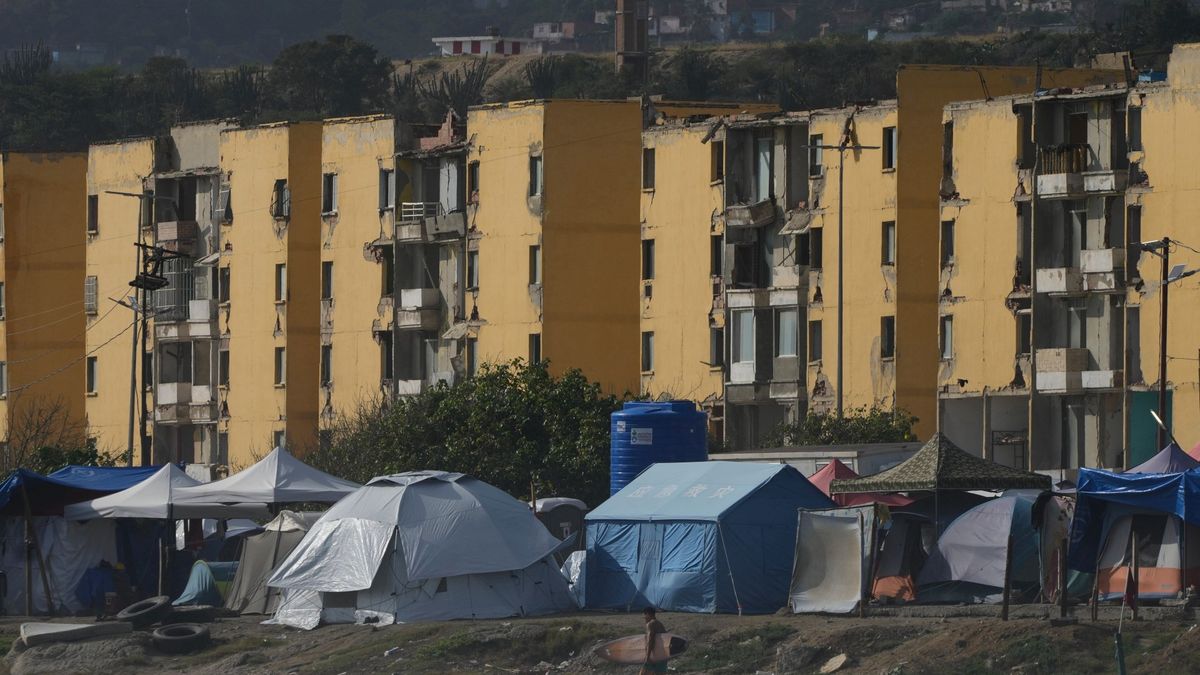
Venezuela was hit by two powerful earthquakes in June, resulting in a confirmed death toll of 6,125 people and over 61,000 treated in hospitals. The coastal state of La Guaira and the capital, Caracas, were the hardest hit areas. The Venezuelan government, led by interim President Delcy Rodriguez, has faced mounting criticism for its handling of the disaster response.
The earthquakes have exposed the deep-seated issues within Venezuela's government and economy. The country has been under significant pressure since the US-backed abduction of former President Nicolas Maduro in January. The subsequent economic sanctions have limited the flow of funds into the country, hindering the recovery efforts. The World Bank has estimated the physical damage from the earthquakes at nearly $20 billion, but the source of these funds remains uncertain. The US maintains a high degree of control over Venezuela, and the remaining sanctions from Maduro's tenure are still in place.
The people of Venezuela are bearing the brunt of the disaster, with many still searching for missing loved ones and struggling to access basic necessities. The criticism of the government's response has been widespread, with some accusing the military forces of not doing enough to help residents. The removal of debris has been slow, with only 16.5% cleared so far. The earthquakes have also highlighted the pre-existing social and economic issues in Venezuela, including a lack of investment in critical infrastructure and a brain drain of skilled professionals.
What is being downplayed by the Venezuelan government and its international backers is the extent to which the economic sanctions have crippled the country's ability to respond to the disaster. The sanctions have limited the flow of funds, goods, and services into the country, making it difficult for the government to provide adequate support to those affected. The international community's role in Venezuela's future is also being glossed over, with the US maintaining a significant degree of control over the country. The World Bank's estimate of the damage and the pledges of support from countries around the world are not being matched by concrete actions, leaving the people of Venezuela to suffer the consequences.
As Venezuela struggles to recover from the earthquakes, readers should watch for any developments in the international community's response to the disaster. Will the US loosen or cancel the remaining sanctions to facilitate the flow of funds into the country? How will the Venezuelan government balance its relationships with its international backers and its own people, who are bearing the brunt of the disaster? The path to recovery will be long and difficult, and the people of Venezuela will be watching closely to see if their government and the international community will provide the necessary support to rebuild and recover.
Editor's Note: The analysis is based on publicly available information and may not reflect the full complexity of the situation on the ground.
Source referenced: ALJAZEERA
This brief was synthesized by our Editorial Engine and reviewed by The Ground Narrative team.


