TRENDING

Saturday, 19 September 2026
----------------------
8 Rabi' Al-Thani 1448 AH
As US-backed talks commence in Caracas, the absence of key opposition figures and the shadow of a jailed former leader reveal a negotiation driven by external interests and resource access, not just democratic ideals.
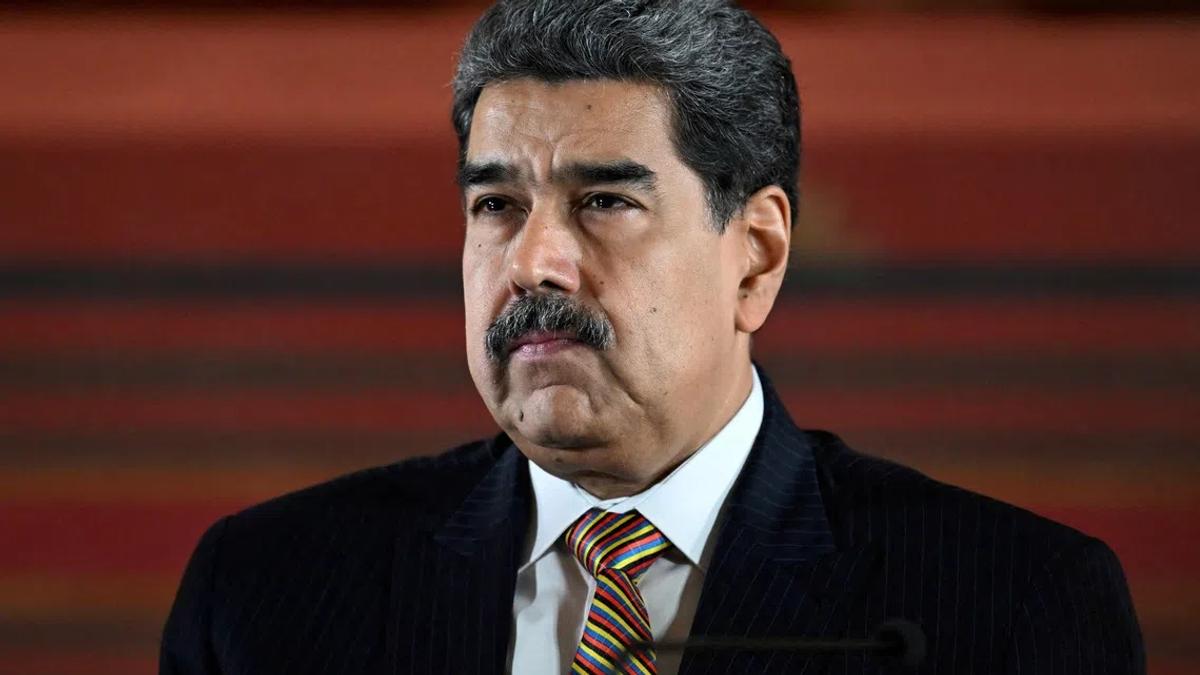
Venezuela's political landscape is once again shifting as US-backed talks between the interim government and opposition leaders are set to begin in Caracas. This comes just weeks after former leader Nicolas Maduro was captured in a US military raid and subsequently jailed in New York on drug and firearms trafficking charges. From his detention, Maduro issued a public statement welcoming "any path to dialogue" that promotes peace and reconciliation, a message relayed via his son and lawyers. These new discussions aim to address post-earthquake aid, strengthen democracy, and secure political rights, yet they proceed without the participation of prominent opposition leader Maria Corina Machado.
The current dialogue in Venezuela is less an organic domestic process and more a carefully orchestrated maneuver by powerful external actors, primarily the United States. Washington's influence is undeniable: it orchestrated Maduro's capture, installed his vice-president Delcy Rodriguez as interim leader, and now pressures this government to open up Venezuela's vast oil and mineral resources to US companies. The push for "political dialogue" and a "timetable for future elections" serves a dual purpose: to legitimize a new political order that aligns with US interests and to secure access to the world's largest proven oil reserves. Maduro's unexpected message from jail, while seemingly a call for peace, is likely a calculated attempt to maintain relevance for his political faction and potentially influence the terms of his own fate, highlighting the complex power plays even from behind bars. The interim government, under immense pressure, must balance Washington's demands with the immediate needs of a nation in crisis, while also attempting to consolidate its own fragile authority.
The human cost of this power struggle falls squarely on the shoulders of ordinary Venezuelans. The country's economy remains in shambles, exacerbated by recent devastating earthquakes that killed thousands and compounded existing woes. While "post-quake assistance" is on the agenda, the political maneuvering and the focus on resource access often overshadow the immediate, tangible needs of a suffering population. The absence of a key opposition figure like Maria Corina Machado from the talks means that a significant segment of the Venezuelan populace may feel unrepresented, further eroding trust in a political process already viewed with skepticism. For citizens grappling with hyperinflation, food shortages, and inadequate infrastructure, the high-level dialogues in Caracas can feel distant and irrelevant, their outcomes dictated by forces far removed from their daily struggles.
What is conspicuously downplayed or omitted in official statements is the true extent of US economic leverage and its direct impact on the dialogue's agenda. While the US frames its involvement as a push for "democracy" and "political rights," the underlying drive is the strategic imperative to control Venezuela's immense natural resources. The swift capture and trial of Maduro, coupled with the installation of an interim government, creates a clear pathway for US corporate interests. The stated goals of "strengthening democracy" ring hollow when a major opposition voice is excluded, suggesting that the dialogue's primary aim might be stability and compliance rather than genuine, inclusive democratic reform. Furthermore, the ease with which Maduro communicated from a high-security US detention center raises questions about the channels of influence and the potential for backroom negotiations that extend beyond the public eye.
Readers should closely watch several key developments. First, the legitimacy and effectiveness of the ongoing talks will be determined by whether they can produce concrete, inclusive outcomes, especially regarding election timetables and equitable distribution of aid. The continued exclusion or marginalization of figures like Maria Corina Machado will be a critical indicator of whether the process is truly democratic or merely a managed transition. Second, observe the pace and terms of US corporate access to Venezuela's oil and mineral sectors; this will reveal the true economic dividends Washington expects from its intervention. Finally, Maduro's trial in the US will remain a significant wild card, potentially influencing the stability of the interim government and the broader political climate in Venezuela. The long-term stability of the region hinges on whether these power plays can translate into genuine relief and representation for the Venezuelan people, or if they merely usher in a new era of external control disguised as internal reform.
Source referenced: STRAITSTIMES
This brief was synthesized by our Editorial Engine and reviewed by The Ground Narrative team.


