TRENDING

Thursday, 17 September 2026
----------------------
6 Rabi' Al-Thani 1448 AH
The US and Israel have agreed to hold off on new strikes against Iran, pending a deal to end the months-long conflict. But what are the power dynamics at play, and who will bear the human cost of this fragile pause? As tensions simmer, the world watches with bated breath.
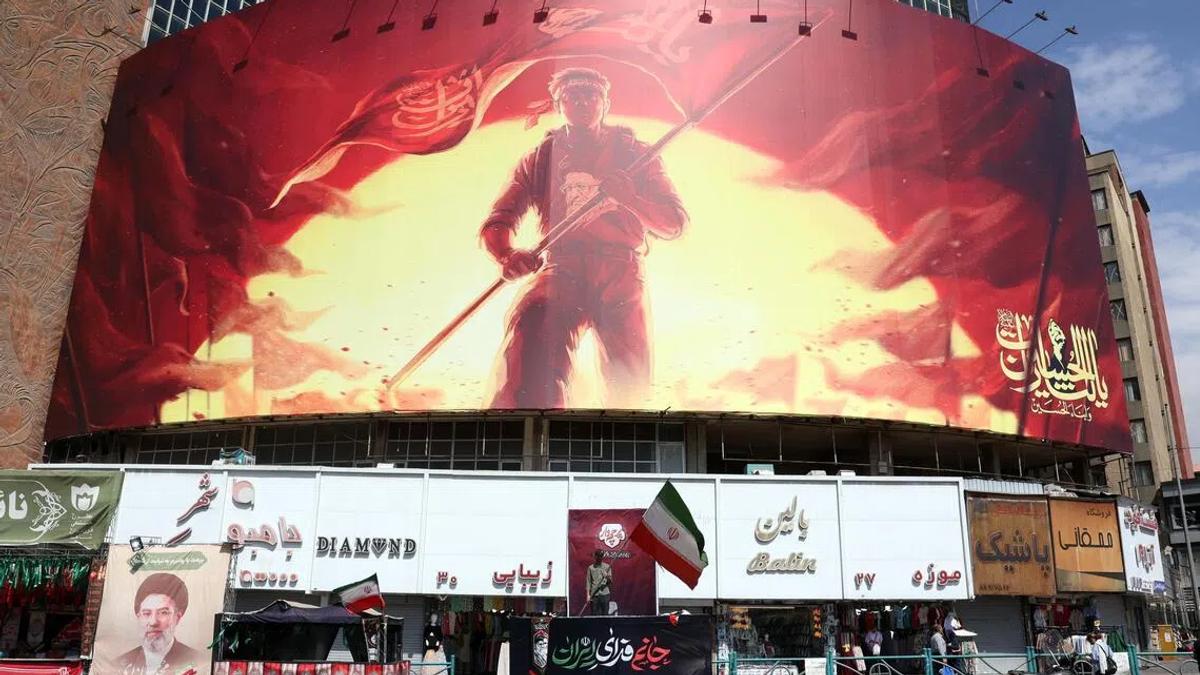
The United States and Israel have temporarily halted plans for joint strikes against Iran, following a request from Iran and other Middle Eastern countries. This decision comes after months of conflict, which began on February 28 when the US and Israel launched initial strikes against Iran. The pause is conditional on the rapid negotiation of a deal that includes the complete opening of the Hormuz Strait and an end to Iran's nuclear threat.
The US and Israel's decision to hold off on strikes is a calculated move, driven by a complex interplay of strategic interests. Saudi Arabia's influence is a significant factor, with Crown Prince Mohammed Bin Salman reportedly urging President Trump to de-escalate and refrain from launching strikes. This intervention highlights the delicate balance of power in the region, where multiple actors are vying for influence. The US, in particular, is walking a tightrope, seeking to maintain its dominance while avoiding a potentially catastrophic escalation of the conflict.
The people of Iran are the primary victims of this conflict, facing the constant threat of airstrikes, economic hardship, and humanitarian crises. The civilian toll of the war is already mounting, with reports of destroyed infrastructure, including oil refineries and power plants, which could have devastating long-term consequences for the population. As the conflict continues to simmer, the international community must not forget the human cost of this geopolitical game of chess.
What is being downplayed in the official narrative is the role of economic interests in driving the conflict. The Hormuz Strait, a critical waterway for global oil trade, is a key factor in the US and Israel's calculations. The desire to maintain control over this strategic chokepoint is a major motivator for their actions, and the potential consequences of a disrupted oil supply are being carefully managed. Meanwhile, the nuclear threat posed by Iran is being used as a bargaining chip, with the US and Israel seeking to leverage the situation to their advantage.
As the situation continues to unfold, readers should watch for signs of progress in negotiations, including any concessions made by Iran on its nuclear program or the opening of the Hormuz Strait. The reaction of other regional players, such as Saudi Arabia and the UAE, will also be crucial in determining the trajectory of the conflict. Ultimately, the fate of the people of Iran hangs in the balance, and the world must remain vigilant to ensure that their interests are not sacrificed on the altar of geopolitical expediency.
Editor's Note: The situation remains fluid, and the analysis is based on current information available.
Source referenced: STRAITSTIMES
This brief was synthesized by our Editorial Engine and reviewed by The Ground Narrative team.


