TRENDING

Saturday, 19 September 2026
----------------------
8 Rabi' Al-Thani 1448 AH
As the US and Israel prepare for renewed strikes on Iran, the human cost of the conflict continues to escalate, with civilians bearing the brunt of the violence. The war, which began in February, shows no signs of abating, with both sides engaging in tit-for-tat attacks.
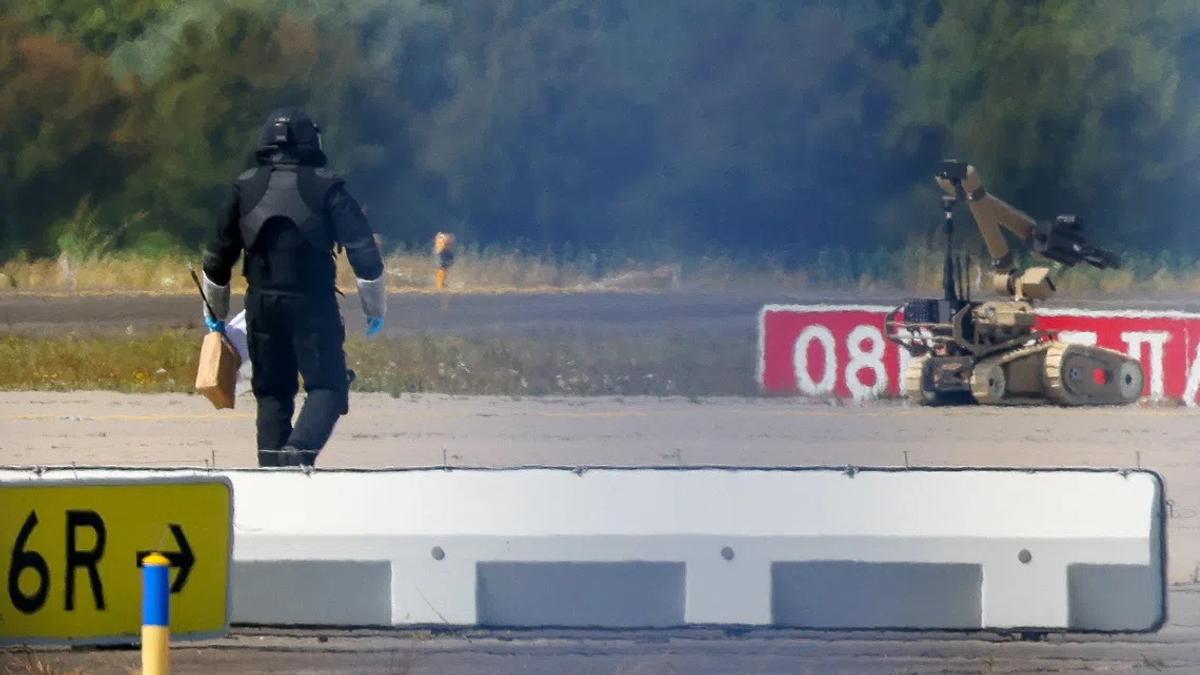
The US and Israel are reportedly planning to launch renewed strikes on Iran, with President Donald Trump threatening to hit the country 'very hard'. The attacks, which could begin as soon as this weekend, are expected to target Iran's energy infrastructure, including oil refineries and power plants.
The conflict between the US, Israel, and Iran is driven by a complex web of strategic interests and alliances. The US and Israel have long been concerned about Iran's nuclear program and its growing influence in the region. For its part, Iran sees the US and Israel as existential threats and has sought to expand its military capabilities and build alliances with other regional powers. The involvement of Israel in the conflict marks a significant escalation, as it could draw in other regional actors and lead to a wider war.
The people of Iran are already feeling the effects of the war, with food and medicine shortages becoming increasingly common. The targeting of energy infrastructure will only exacerbate these problems, leaving civilians without access to basic necessities like electricity and healthcare. The conflict is also having a devastating impact on the environment, with oil spills and pollution threatening the region's fragile ecosystems.
What is being downplayed in the official narrative is the role of the US in destabilizing the region. The US withdrawal from the Iran nuclear deal and its subsequent imposition of sanctions have contributed to the current crisis. Additionally, the US has been providing military support to Israel, which has enabled the country to launch attacks on Iranian targets. The silence of the international community is also noteworthy, as many countries have failed to condemn the violence and call for a peaceful resolution to the conflict.
As the conflict escalates, readers should watch for signs of a wider war. The involvement of other regional actors, such as Saudi Arabia or the UAE, could draw in more countries and lead to a catastrophic conflict. Additionally, diplomatic efforts to resolve the crisis will be crucial, as a negotiated settlement is the only way to bring an end to the violence and address the underlying issues driving the conflict.
Editor's Note: The situation on the ground is fluid, and the analysis is based on the latest available information.
Source referenced: STRAITSTIMES
This brief was synthesized by our Editorial Engine and reviewed by The Ground Narrative team.


