TRENDING

Saturday, 19 September 2026
----------------------
8 Rabi' Al-Thani 1448 AH
Indirect US-Iran peace talks, facilitated by Qatar and Oman, are making progress, with a potential agreement on reopening the Strait of Hormuz. However, the Trump administration's patience is wearing thin, and the consequences of failure could be catastrophic for global energy markets and regional stability.
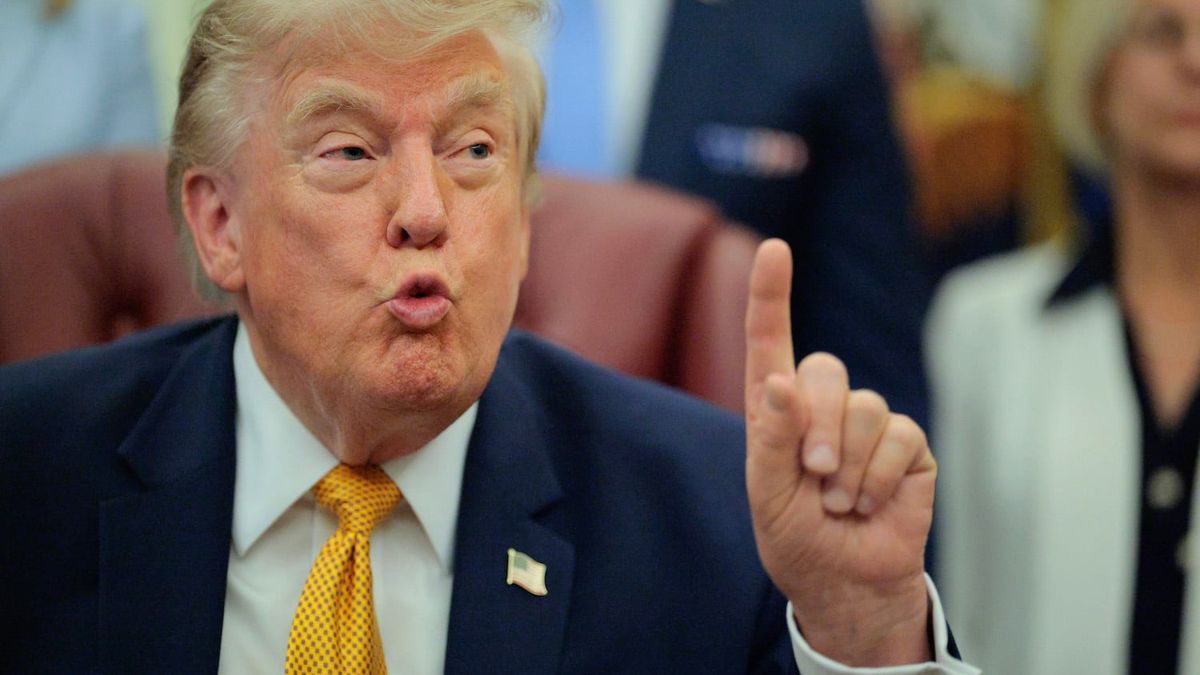
The United States and Iran are engaged in indirect peace talks, facilitated by Qatar and Oman, to resolve the month-long conflict in the Strait of Hormuz. Qatari foreign ministry spokesperson Majed al-Ansari confirmed that the talks are in 'very progressive stages,' with a possible agreement being drafted and circulated between the parties.
The power dynamics at play are complex, with multiple actors vying for influence in the region. The United States, under the Trump administration, has taken a hardline stance against Iran, imposing sanctions and threatening military action. Iran, on the other hand, has responded by seizing oil tankers and attacking Saudi oil facilities. The European Union, particularly countries like Italy and Spain, are also involved, with some nations suspending their Schengen agreements with Spain due to concerns over immigration. The Strait of Hormuz, a critical waterway for global energy markets, is the focal point of the conflict, with Iran seeking to control inbound traffic and maintain visibility of outbound shipping.
The conflict in the Strait of Hormuz has significant human implications, particularly for the people of Iran, who are already suffering under the weight of economic sanctions. The closure of the strait has also affected global energy markets, leading to increased prices and potential shortages. The conflict has also led to a rise in tensions between the United States and Iran, with the potential for military action and further destabilization of the region. The people who bear the human cost of this conflict are not just those directly involved in the negotiations but also the millions of people who rely on the Strait of Hormuz for their livelihoods.
What is being downplayed in the official statements is the extent to which the United States and Iran are willing to compromise on their respective demands. The United States is seeking a significant reduction in Iran's nuclear program, while Iran is demanding the lifting of economic sanctions. The European Union, particularly countries like France and Germany, are also playing a crucial role in facilitating the talks, but their involvement is not being fully acknowledged. Furthermore, the role of other regional actors, such as Saudi Arabia and the United Arab Emirates, is also being downplayed, despite their significant influence in the region.
As the talks progress, it is essential to watch for signs of compromise from both the United States and Iran. The reopening of the Strait of Hormuz and the resumption of commercial shipping are critical indicators of success. However, the Trump administration's patience is wearing thin, and the consequences of failure could be catastrophic for global energy markets and regional stability. The next few days will be crucial in determining the outcome of the talks, and the world will be watching closely to see if the parties can reach a lasting agreement.
Editor's Note: The analysis is based on publicly available information, but the intricacies of the negotiations and the involvement of regional actors may not be fully captured.
Source referenced: FOREIGNPOLICY
This brief was synthesized by our Editorial Engine and reviewed by The Ground Narrative team.


