TRENDING

Saturday, 12 September 2026
----------------------
1 Rabi' Al-Thani 1448 AH
Despite mediation efforts, direct strikes between the US and Iran have escalated, closing the vital Strait of Hormuz and drawing new regional actors into a conflict with global economic consequences.
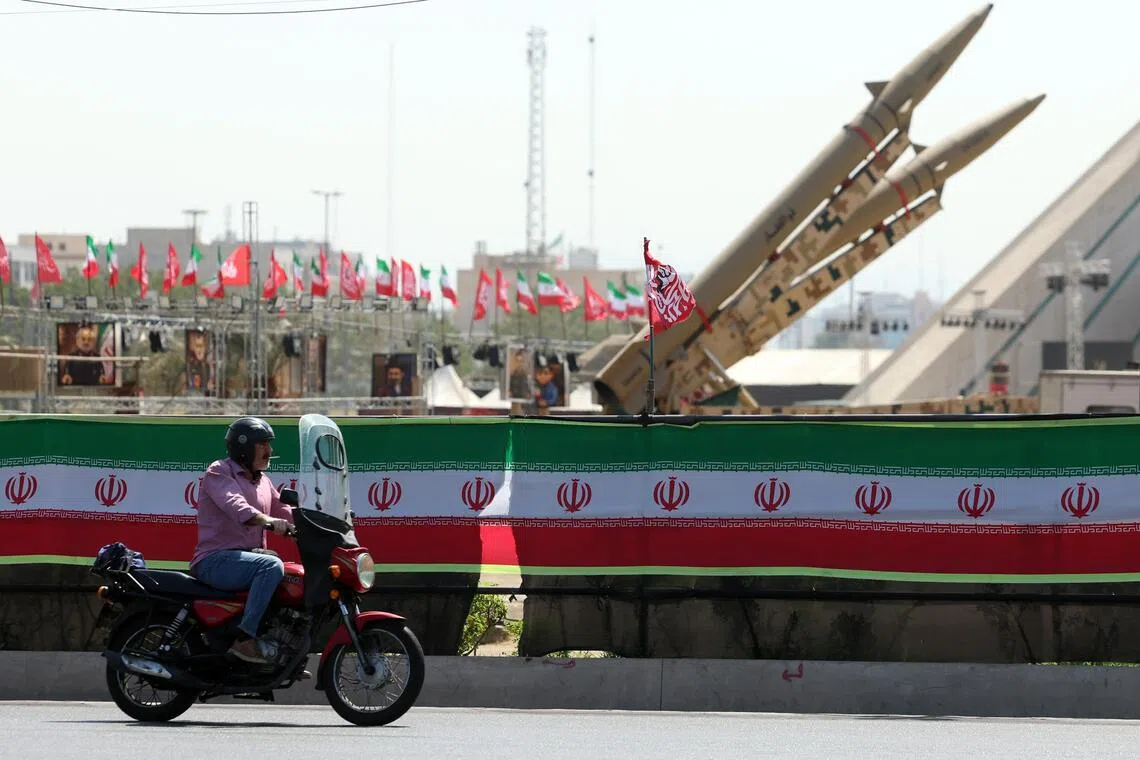
After a brief, fragile pause, direct hostilities between the United States and Iran have sharply escalated. Washington launched a "heavy wave of strikes" on Iranian Revolutionary Guard targets in retaliation for Iranian attacks on Jordan and other regional sites. In response, Iran continued missile attacks, notably hitting a Chinese company building in Kuwait and, for the first time, a gas port in Egypt with a drone. Critically, Iran has again closed the Strait of Hormuz, a vital global oil and gas conduit, sending oil prices soaring and signaling a dangerous new phase in a conflict that continues to widen across the Middle East.
The current escalation reveals a complex interplay of power dynamics, where both sides are testing limits while attempting to maintain a fragile line against all-out war. Iran's strategy hinges on asymmetric warfare and leverage over critical chokepoints. By targeting US assets, allies, and commercial interests, and most significantly, by closing the Strait of Hormuz, Tehran aims to inflict economic pain and demonstrate its capacity to disrupt global energy markets. This is a direct challenge to the US's stated commitment to freedom of navigation and regional stability, forcing Washington to respond militarily to deter further aggression and protect its interests and allies. The US, in turn, uses its superior airpower and intelligence to target Iranian military infrastructure, aiming to degrade capabilities and impose costs. The involvement of Saudi Arabia in US strikes and Egypt's first direct hit underscore how regional alliances are solidifying, transforming what was once a proxy struggle into a more direct, multi-front confrontation. Pakistan's ongoing mediation efforts highlight the international community's concern, yet their effectiveness is severely tested by the fundamental security and economic interests at stake for both Washington and Tehran, which often appear irreconcilable.
The human cost of this escalating conflict is immediate and widespread, extending far beyond the battlefields. In Iran, US strikes have reportedly killed civilians and wounded children on Qeshm Island and in Khuzestan province, turning ordinary homes and student dormitories into collateral damage. In Kuwait, a worker for a Chinese company was killed, a stark reminder that even seemingly peripheral targets have direct human consequences. Jordanian citizens live under the constant threat of incoming missiles, while Egyptian port workers now face the danger of drone attacks. Beyond these immediate casualties, the closure of the Strait of Hormuz directly impacts global consumers. Higher oil and LNG prices translate into increased transportation costs, more expensive goods, and higher gasoline prices at the pump for millions worldwide, effectively taxing ordinary households for a conflict they had no hand in starting. Furthermore, the protracted nature of the war is weighing heavily on regional economies, with Saudi Arabia already experiencing significant contraction, impacting livelihoods and development prospects for its citizens.
What is often downplayed or omitted in official statements is the deep-seated political calculus driving both sides, often at the expense of genuine de-escalation. The "brief pause" in fighting, touted as a window for negotiations, appears to have been more of a tactical regrouping than a sincere step towards peace. Neither the US nor Iran seems willing to concede on core demands – for the US, it's about containing Iran's regional influence and nuclear ambitions; for Iran, it's about asserting its sovereignty, resisting sanctions, and pushing back against perceived foreign intervention. The human toll and economic disruption, while acknowledged, are often framed as unfortunate necessities in a larger geopolitical game. What's also understated is the long-term economic damage beyond immediate oil price spikes: the chilling effect on investment in the region, the disruption to global supply chains, and the potential for a prolonged period of economic instability that could set back development for years. Neither side fully articulates the full extent of the civilian suffering, preferring to focus on military successes or defensive actions, leaving the public to piece together the true cost from fragmented reports.
Moving forward, several critical indicators will determine the trajectory of this widening conflict. First, watch the sustainability and efficacy of Pakistan's mediation efforts; their collapse could signal an even more dangerous phase. Second, observe any further expansion of targets or actors involved; direct attacks on major oil infrastructure or the involvement of additional regional powers like Israel or other Gulf states would mark a significant escalation. Third, monitor global oil markets and the broader economic response; sustained high prices or severe supply disruptions could force greater international pressure for de-escalation. Finally, pay close attention to the humanitarian situation in affected areas and any reports of civilian casualties, as these will be the most accurate measure of the conflict's true and devastating impact.


