TRENDING

Sunday, 20 September 2026
----------------------
9 Rabi' Al-Thani 1448 AH
The US State Department's plan to close five foreign missions in Japan, Indonesia, Canada, Cameroon, and Grenada marks a rare downsizing of America's global diplomatic presence, raising concerns about the impact on regional stability and US influence. As the US reduces its diplomatic footprint, it may create opportunities for adversaries like China and Russia to fill the void.
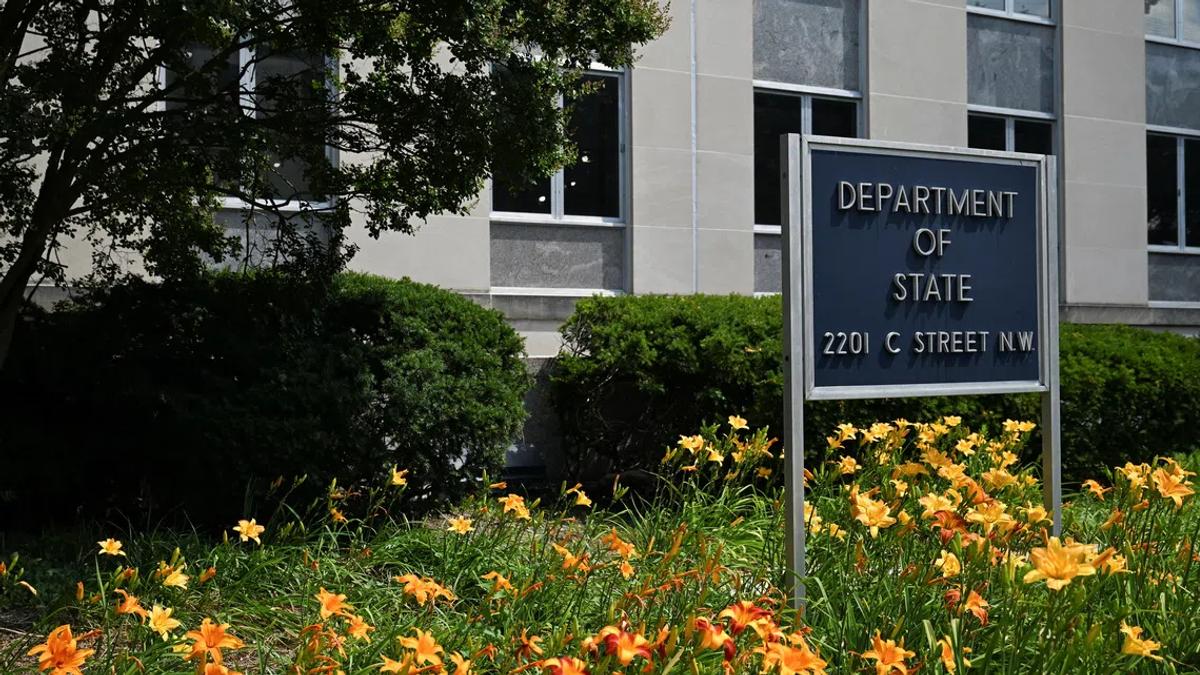
The US State Department has notified Congress of its plan to close five foreign missions in Nagoya, Japan; Medan, Indonesia; St George's, Grenada; Douala, Cameroon; and Winnipeg, Canada. This move represents a rare example of the US closing multiple foreign missions without a specific geopolitical event prompting the decision.
The closures are part of a broader effort by the US administration to transform the State Department and align it with the 'America First' agenda. Some administration officials argue that smaller foreign missions are inessential and not cost-effective, while others contend that cuts to the US diplomatic footprint risk undermining American leadership and creating a vacuum for adversaries to fill. The White House Office of Management and Budget has advocated for an even more ambitious closure program, targeting up to 30 foreign missions.
The people most affected by these closures will be the local communities that rely on the consulates and embassy branch offices for various services, including visa applications, trade facilitation, and cultural exchange programs. The closures may also impact the livelihoods of local staff employed by the US missions. Furthermore, the reduction in US diplomatic presence may lead to a decrease in US influence and a loss of soft power in the regions, potentially destabilizing the local balance of power.
What the US administration is downplaying is the potential long-term consequences of these closures on regional stability and US interests. The US has been competing with China for influence in the Pacific region, and the closure of consulates in Nagoya and Medan may create opportunities for China to expand its diplomatic presence and increase its influence in these areas. The US administration is also omitting the fact that the closures may undermine the US's ability to promote its values and interests in the regions, potentially leading to a decline in US global leadership.
Readers should watch for the reaction of local communities and governments to the closures, as well as the response of other countries, particularly China and Russia, to the reduction in US diplomatic presence. It is also important to monitor the impact of the closures on regional stability and US influence in the affected areas. Additionally, the US administration's plans for the State Department's budget and the potential for further closures or restructuring should be closely followed.
Editor's Note: The analysis is based on publicly available information and may not reflect the full complexity of the situation.
Source referenced: STRAITSTIMES
This brief was synthesized by our Editorial Engine and reviewed by The Ground Narrative team.


