TRENDING

Saturday, 19 September 2026
----------------------
8 Rabi' Al-Thani 1448 AH
Ukraine's former top military commander, Valery Zaluzhnyi, has expressed skepticism about the country's prospects of joining NATO, citing significant military standard gaps. This statement comes as Ukraine continues to battle Russia, with its constitution enshrining NATO and EU membership as strategic goals.
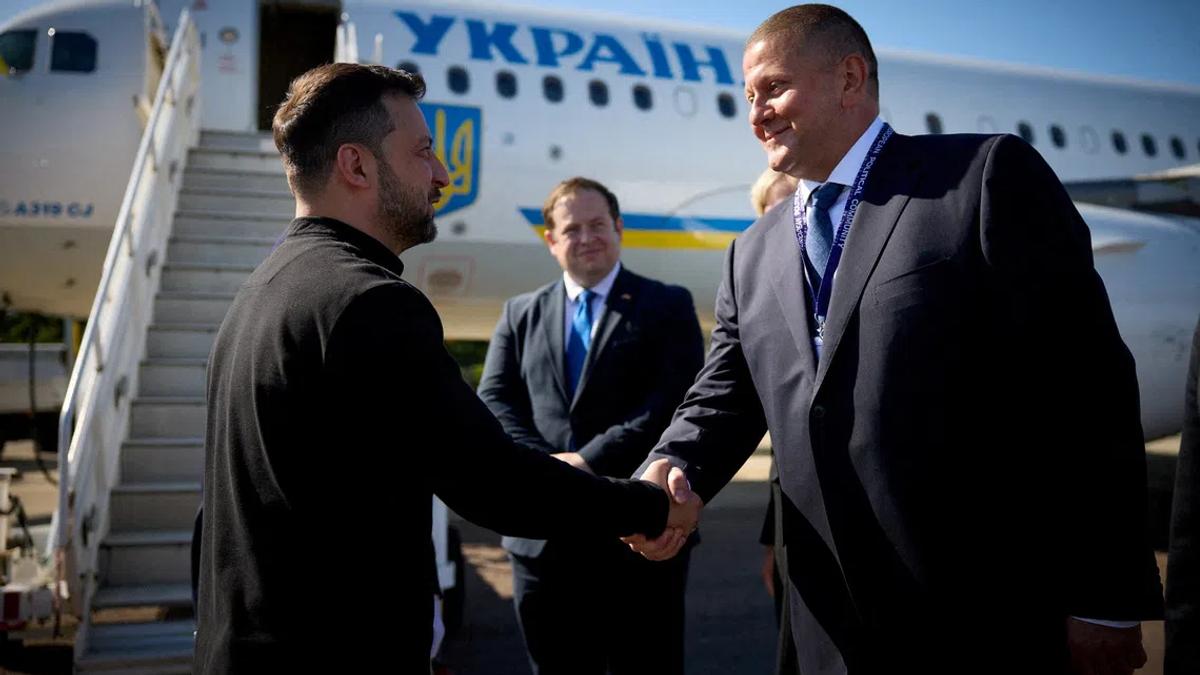
Ukraine's former top military commander, Valery Zaluzhnyi, now the country's ambassador to Britain, has stated that Ukraine has no prospect of joining NATO due to its inability to meet the military standards required by the alliance. This admission underscores the significant challenges Ukraine faces in its quest for NATO membership, a goal that is deeply ingrained in the country's constitution.
The dynamics at play here are complex, involving not just Ukraine's military capabilities but also the geopolitical interests of various powerful actors, including Russia, the United States, and European nations. Russia has vehemently opposed any potential Ukrainian membership in NATO, viewing it as a direct threat to its national security. The United States and other NATO members have their own set of considerations, including the alliance's expansion policy and the implications of admitting a country engaged in an active conflict with Russia. Zaluzhnyi's statement reflects an understanding of these power dynamics and the significant hurdles Ukraine must overcome to meet NATO's standards, which include adopting advanced technologies such as anti-missile defense systems and space capabilities.
The human cost of Ukraine's conflict with Russia and its stalled NATO ambitions is profound. The ongoing war has resulted in thousands of casualties, displaced millions, and imposed a significant economic burden on the Ukrainian people. The lack of progress towards NATO membership not only affects Ukraine's security but also has psychological and socio-economic impacts on its citizens, who see membership as a path towards greater stability and integration with the Western world. The disappointment and disillusionment among Ukrainians could further polarize the country, affecting its political stability and the legitimacy of its government.
What is being downplayed in the official statements is the extent to which Ukraine's internal political divisions and the war with Russia are complicating its NATO bid. Zaluzhnyi's dismissal as the top commander and the subsequent dismissal of his successor highlight the political tensions within Ukraine, which can undermine its ability to present a unified front in its dealings with NATO. Furthermore, the international community's reluctance to fully commit to Ukraine's NATO membership due to the ongoing conflict and the fear of escalating tensions with Russia is a critical factor that is often glossed over in public statements.
As the situation unfolds, several key developments will be crucial to watch. Firstly, how Ukraine navigates its internal political challenges and the war with Russia will significantly impact its NATO aspirations. Secondly, the stance of NATO member states, particularly the United States, Germany, and France, will be pivotal in determining the trajectory of Ukraine's membership bid. Lastly, the role of other international actors, such as the European Union, in supporting or hindering Ukraine's integration efforts will also be important. The interplay of these factors will ultimately decide the fate of Ukraine's NATO ambitions and the broader geopolitical landscape of Eastern Europe.
Editor's Note: The analysis is based on publicly available information and may not reflect the full complexity of the situation due to the sensitive nature of geopolitical negotiations and military strategies.
Source referenced: STRAITSTIMES
This brief was synthesized by our Editorial Engine and reviewed by The Ground Narrative team.


