TRENDING

Thursday, 17 September 2026
----------------------
6 Rabi' Al-Thani 1448 AH
Ukrainian farmers are finding ways to export grain despite Russian attacks on Black Sea routes, but the human cost of the conflict is mounting. As global food supplies come under pressure, the power struggle over Ukraine's agricultural exports is far from over.
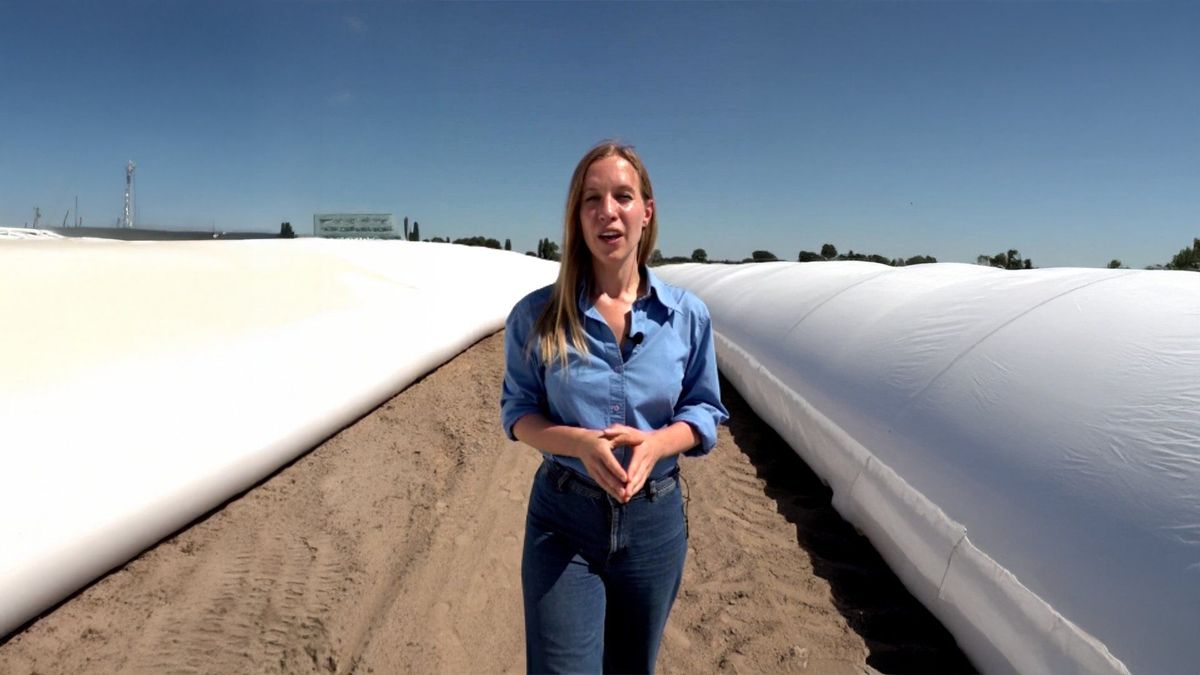
Ukrainian farmers have been forced to adapt to the new reality of disrupted Black Sea grain exports due to Russian attacks. To keep their grain moving, they are turning to temporary storage solutions, a testament to their resilience in the face of mounting challenges.
The conflict in Ukraine is not just about territorial control; it's also about economic leverage. Russia's actions are aimed at crippling Ukraine's economy by disrupting its agricultural exports, a significant contributor to the country's GDP. However, Ukrainian farmers and the government are fighting back by finding alternative routes and storage solutions, thereby maintaining a crucial lifeline for the economy. The European Union and other international partners are also playing a role by providing support and exploring new export routes, which adds another layer to the geopolitical dynamics at play.
The human cost of this conflict is often overlooked in discussions about grain exports and economic sanctions. Ukrainian farmers, their families, and the broader population are bearing the brunt of the conflict. The pressure on global food supplies also has far-reaching implications, potentially affecting vulnerable populations worldwide who rely on affordable grain imports. As transport costs rise and the conflict drags on, the most vulnerable communities will likely suffer the most, facing increased food insecurity and higher prices.
What's often downplayed in official statements is the long-term impact of the conflict on Ukraine's agricultural sector and global food security. The environmental damage caused by the conflict, including the destruction of infrastructure and potential pollution, is a silent casualty that will have lasting effects. Moreover, the strain on Ukraine's agricultural system could lead to a decrease in crop yields and quality, further exacerbating global food supply challenges.
As the situation evolves, it's crucial to watch for any shifts in Russia's strategy, particularly if they intensify their attacks on Ukraine's agricultural infrastructure. Additionally, the international community's response, including any new sanctions or support for Ukraine, will be pivotal. The development of alternative export routes and the success of Ukrainian farmers in maintaining their grain exports despite the challenges will also be key indicators of the conflict's trajectory and its impact on global food supplies.
Editor's Note: The analysis is based on current trends and available data. The situation in Ukraine is fluid, and future developments may alter the geopolitical landscape and the humanitarian situation.
Source referenced: ALJAZEERA
This brief was synthesized by our Editorial Engine and reviewed by The Ground Narrative team.


