TRENDING

Wednesday, 9 September 2026
----------------------
27 Rabi' Al-Awwal 1448 AH
Ukraine's former ambassador to the US, Olha Stefanishyna, faces accusations of illegal enrichment, highlighting the persistent challenge of corruption within Kyiv's government. This high-profile case exposes the internal power dynamics and the human cost of a war fought on two fronts.
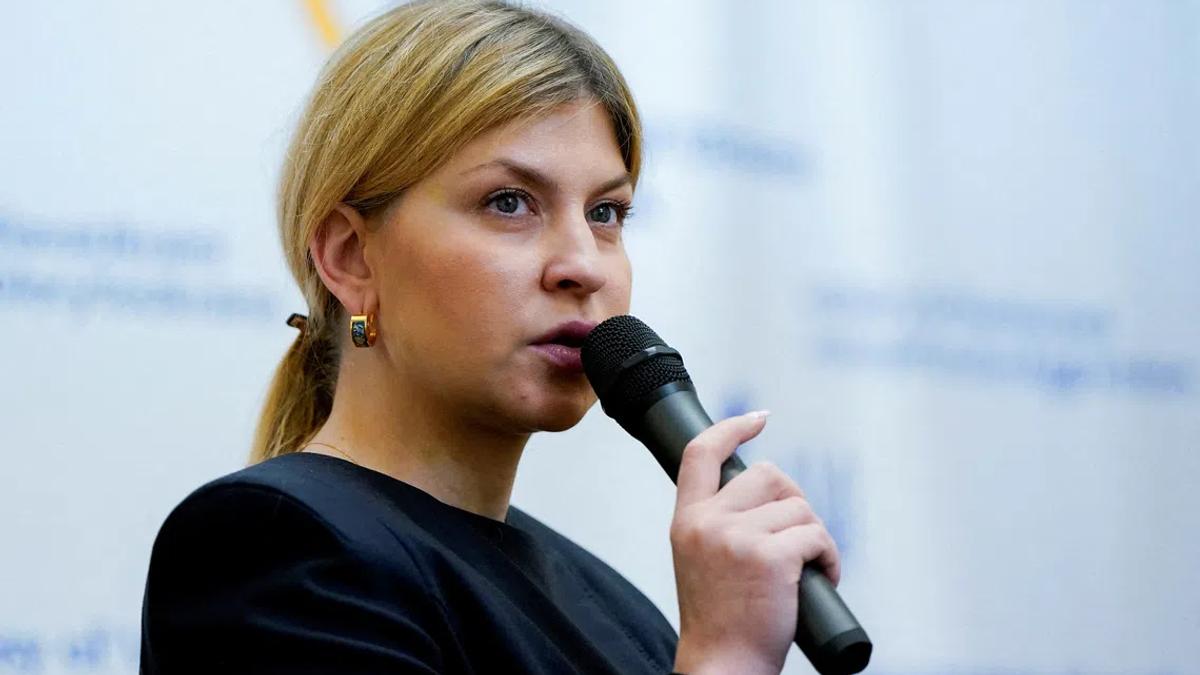
Olha Stefanishyna, recently dismissed as Ukraine's ambassador to the U.S., is now under investigation for alleged illegal enrichment and failure to declare assets. Authorities suspect she concealed approximately $310,000 worth of apartments and other holdings that could not have been acquired through her official salary. Stefanishyna, who previously served as a deputy prime minister, denies any wrongdoing, with her dismissal occurring amidst a broader shake-up of senior Ukrainian officials.
This incident is not an isolated event but a symptom of the enduring struggle against systemic corruption that has plagued Ukraine for decades, predating the full-scale invasion. For President Volodymyr Zelenskiy's government, tackling graft is a critical balancing act. On one hand, it's a domestic imperative to maintain public trust and morale, especially when ordinary citizens are making immense sacrifices on the battlefield. On the other, it's a crucial foreign policy requirement. Western allies, particularly the United States and the European Union, have made anti-corruption reforms a cornerstone of their financial and military aid packages. Failure to demonstrate progress risks jeopardizing the vital international support Kyiv relies upon to resist Russian aggression.
Such high-profile dismissals and investigations serve multiple purposes. They project an image of accountability to international partners, signaling a commitment to reform. Domestically, they aim to reassure a populace weary of official malfeasance. However, they can also be intertwined with internal political maneuvering, where anti-corruption drives might be leveraged to sideline rivals or consolidate power under the guise of cleaning house. The timing of an official's dismissal preceding public accusations often suggests a pre-emptive move, indicating internal intelligence or political calculations at play within Kyiv's corridors of power.
The human cost of corruption in Ukraine is profound and multifaceted. At the most immediate level, it erodes the trust of Ukrainian citizens who are enduring unimaginable hardships—loss of life, displacement, and economic devastation—while some officials are allegedly enriching themselves. This cynicism can undermine national unity and the collective will to resist, a dangerous prospect during wartime. For soldiers on the front lines, fighting for the very existence of their nation, the perception of graft at home can be a devastating blow to morale and a betrayal of their sacrifice.
Beyond national sentiment, corruption has tangible economic consequences. Funds diverted through illicit schemes are resources that could otherwise be used for defense, humanitarian aid, post-war reconstruction, or essential social services. Internationally, persistent corruption risks donor fatigue and skepticism, making it harder for Ukraine to secure the ongoing financial and military assistance it desperately needs. Every dollar siphoned off by corrupt officials is a dollar less for air defense systems, medical supplies, or rebuilding shattered infrastructure, directly impacting the lives and safety of millions.
What often goes unstated by official channels and government pronouncements is the sheer depth and systemic nature of the corruption problem in Ukraine. While individual cases like Stefanishyna's are highlighted, they are often symptoms of deeply entrenched networks and practices rather than isolated incidents. Governments, both in Kyiv and among its Western partners, tend to frame these investigations as successful reforms, downplaying the immense structural challenges that remain.
Furthermore, the intense pressure from Western allies for anti-corruption measures is often a silent driver of these purges. While public statements emphasize solidarity, behind closed doors, the demands for tangible results are explicit and relentless. This external pressure, while necessary, can also create a dynamic where reforms are sometimes more performative than genuinely transformative, or where political motivations become intertwined with genuine anti-corruption efforts. The difficulty of prosecuting high-ranking officials effectively, especially during a national emergency, is also often understated. The urgency of war can be both a catalyst for reform and a convenient shield for delaying deeper, more painful institutional changes.
Moving forward, several key indicators will reveal the true trajectory of Ukraine's fight against corruption. First, observe the outcomes of these high-profile investigations: Will they lead to successful prosecutions and asset recovery, or will they simply result in dismissals and political reshuffles? The credibility of Ukraine's anti-corruption institutions hinges on their ability to secure convictions, not just make accusations. Second, monitor the reactions of Western partners; their continued aid and diplomatic support will depend on their assessment of Kyiv's reform efforts. Any perceived backsliding could have severe consequences for Ukraine's war effort.
Finally, watch for the impact on public sentiment within Ukraine. Will these actions rebuild trust in the government, or will cynicism deepen if the reforms are seen as superficial or politically motivated? The long-term stability and resilience of Ukraine depend not only on its military prowess but also on its ability to build a transparent, accountable, and trustworthy governance system for its citizens.
Source referenced: STRAITSTIMES
This brief was synthesized by our Editorial Engine and reviewed by The Ground Narrative team.


