TRENDING

Saturday, 19 September 2026
----------------------
8 Rabi' Al-Thani 1448 AH
Twenty-five US states have sued the Trump administration over sweeping new tariffs imposed on dozens of trading partners, arguing that the president exceeded his legal authority. The move is the latest salvo in Trump's trade wars, which have upended global commerce and raised questions about the true motivations behind the tariffs.
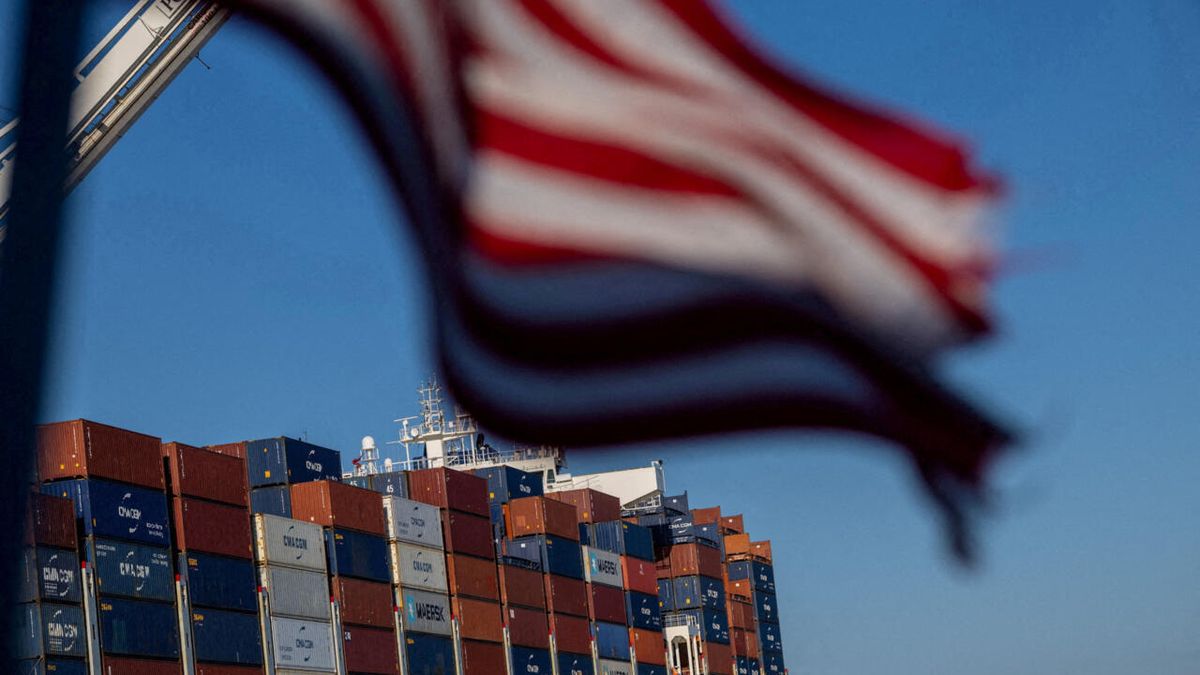
The Trump administration has imposed tariffs on dozens of trading partners, citing concerns over forced labor in international supply chains. However, a coalition of 25 US states has sued the administration, arguing that the president exceeded his legal authority in imposing the tariffs. The states are seeking to block the measures and order refunds for importers.
The Trump administration's use of tariffs as a tool for trade policy is not new, but the latest move has sparked concerns about the president's motivations. Section 301 of the Trade Act of 1974 gives the president broad authority to impose tariffs in response to unfair trade practices, but the states argue that the administration has abused this power. The tariffs are also seen as a way for Trump to exert pressure on trading partners to negotiate new trade deals, but the approach has been criticized for being heavy-handed and arbitrary.
The tariffs will have a significant impact on businesses and consumers in the US and around the world. Importers will face higher costs, which will likely be passed on to consumers in the form of higher prices. The tariffs will also disrupt global supply chains, leading to delays and shortages of critical goods. The states argue that the administration's approach is not a rational or effective way to address concerns over forced labor, and that it will ultimately harm American workers and businesses.
The Trump administration's use of tariffs as a tool for trade policy is not just about addressing concerns over forced labor or unfair trade practices. It's also about exerting power and control over the global economy. The administration's approach has been criticized for being protectionist and nationalist, and for undermining the rules-based international trade system. The states' lawsuit is not just about the tariffs themselves, but about the broader implications of the administration's trade policy and the impact it will have on the global economy.
As the lawsuit makes its way through the courts, readers should watch for further developments in the Trump administration's trade policy. The administration may try to impose additional tariffs or trade restrictions, which could lead to further escalation of trade tensions. The impact of the tariffs on global supply chains and the economy will also be important to watch, as it could have significant implications for businesses and consumers around the world. Ultimately, the outcome of the lawsuit and the future of the Trump administration's trade policy will have far-reaching consequences for the global economy and international relations.
Editor's Note: The outcome of the lawsuit and the future of the Trump administration's trade policy are uncertain and will depend on a variety of factors, including the courts and international relations.
Source referenced: FRANCE24
This brief was synthesized by our Editorial Engine and reviewed by The Ground Narrative team.


