TRENDING

Saturday, 19 September 2026
----------------------
8 Rabi' Al-Thani 1448 AH
The proposed 76m triumphal arch in Washington could disrupt views and symbolic relationships at many historic sites, sparking concerns over the project's impact on the city's cultural landscape. The National Park Service has identified dozens of affected sites, but the administration is expected to proceed with the project despite significant opposition.
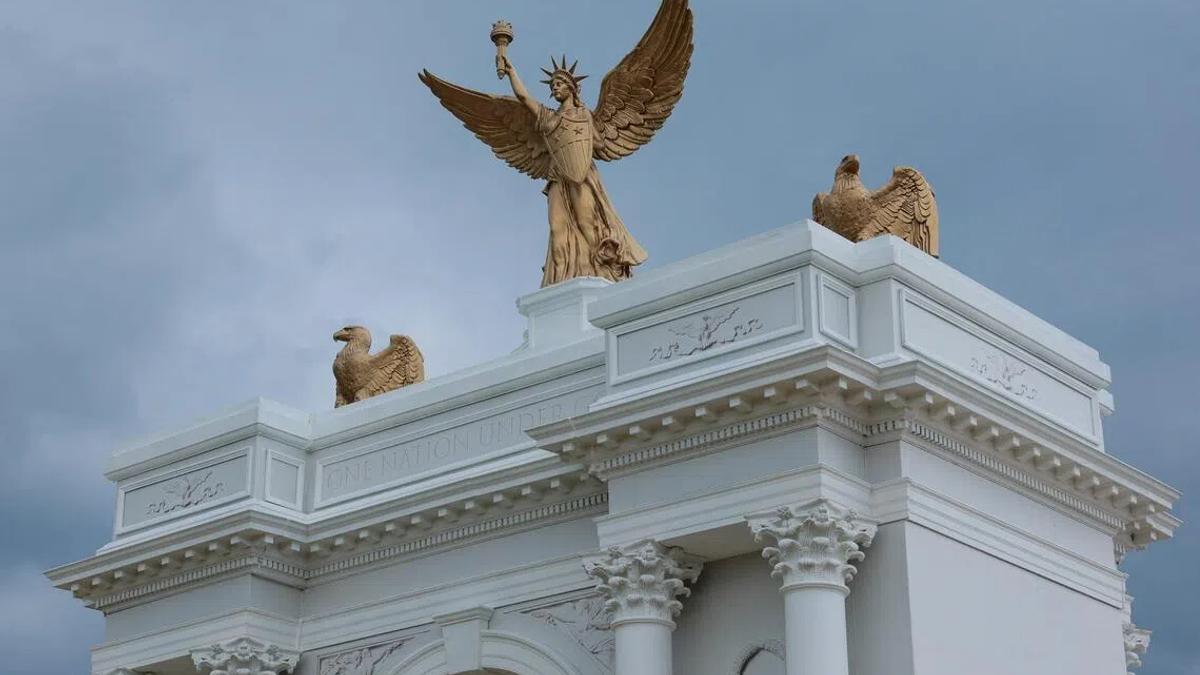
The National Park Service has found that President Donald Trump's proposed 76m triumphal arch in Washington could intrude on views at dozens of historic sites around the capital, disrupting the symbolic relationship between the Lincoln Memorial and Arlington National Cemetery. The project has sparked criticism for rushing the historic preservation review and ignoring alternative sites.
The Trump administration's push for the arch is driven by a desire to leave a lasting legacy in the nation's capital. However, the project's impact on the city's cultural landscape is a prime example of how power can be exercised to shape the physical environment. The administration's willingness to override concerns from preservationists and veterans highlights the tension between the interests of those in power and the needs of the broader community.
The proposed arch would have a significant impact on the experience of visiting historic sites in Washington, altering the views and symbolic relationships that make these places meaningful. For veterans and families of the fallen, the arch would be a jarring presence at Arlington National Cemetery, disrupting the solemnity of the space. The construction process, projected to run for 20 hours a day for multiple years, would also disrupt burials and other ceremonies.
What the administration is downplaying is the extent to which the arch would alter the cultural landscape of Washington, prioritizing a symbol of national pride over the city's historic character. The proposed regulatory changes to the National Historic Preservation Act would limit protections for places whose significance and function depend on silence, views, and symbolic relationships, making it easier for projects like the arch to proceed despite significant opposition.
As the project moves forward, readers should watch for the outcome of the National Capital Planning Commission's review, which could come as soon as September 3. The administration's willingness to push through the project despite significant opposition will be a key indicator of its commitment to preserving the city's cultural landscape. Additionally, the proposed regulatory changes to the National Historic Preservation Act will have far-reaching implications for historic preservation reviews nationwide, and readers should monitor developments on this front.
Editor's Note: The analysis is based on publicly available information and may not reflect the full complexity of the issue.
Source referenced: STRAITSTIMES
This brief was synthesized by our Editorial Engine and reviewed by The Ground Narrative team.


