TRENDING

Sunday, 20 September 2026
----------------------
9 Rabi' Al-Thani 1448 AH
Hundreds of Tigrayans, including wounded fighters, flee into Sudan as clashes between the Ethiopian federal army and Tigray People’s Liberation Front rebels threaten to reignite a devastating civil war. The conflict has already left hundreds of thousands dead and over a million displaced, with the international community struggling to respond.
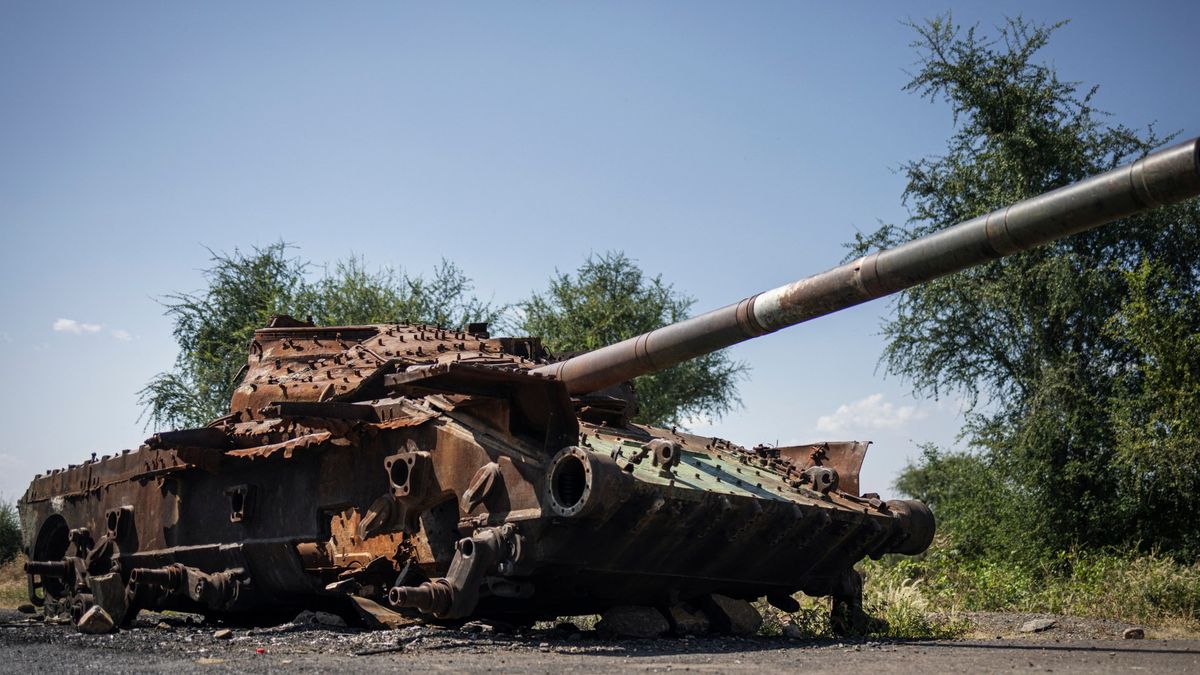
Clashes between the Ethiopian federal army and Tigray People’s Liberation Front (TPLF) rebels in northern Ethiopia have sent hundreds of Tigrayans, including wounded fighters, fleeing into Sudan. The fighting, which involved heavy artillery and drones, marks a breach of the three-year-old peace deal and raises the risk of renewed civil war. Despite a reported de-escalation, tensions remain high, with both sides accusing each other of seeking to trigger a new conflict.
The conflict in Tigray is rooted in a complex web of historical, political, and economic factors. The TPLF, which dominated Ethiopian politics for nearly three decades, has been at odds with the federal government since 2020, when Prime Minister Abiy Ahmed's government postponed elections due to the COVID-19 pandemic. The TPLF, seeing this as an attempt to consolidate power, went ahead with regional elections, leading to a violent crackdown by federal forces. Eritrea's involvement, which backed the Ethiopian government, further complicated the conflict, drawing in regional actors and exacerbating the humanitarian crisis.
The people of Tigray have borne the brunt of the conflict, with at least 600,000 dead and over a million displaced, according to African Union estimates. Refugee camps along the Sudanese border have been directly affected by the recent fighting, with reports of explosions and sustained gunfire causing widespread fear and displacement. The UNHCR has expressed concern about the border tensions, highlighting the need for urgent humanitarian action to protect civilians and prevent further destabilization.
While the international community has been focused on the immediate humanitarian response, long-term solutions to the conflict remain elusive. The Ethiopian government's narrative of a unified nation has been challenged by the TPLF's demands for greater autonomy and recognition of Tigrayan rights. Meanwhile, regional powers, including Eritrea and Sudan, continue to play a significant role in shaping the conflict, often with their own interests in mind. The lack of transparency and accountability in the peace process has further eroded trust among the parties involved, making it difficult to achieve a lasting resolution.
As the situation in Tigray remains precarious, several key factors will determine the trajectory of the conflict. The response of the international community, including the African Union and the United Nations, will be crucial in preventing further escalation and promoting a negotiated settlement. Eritrea's role in the conflict will also be closely watched, as its involvement has significant implications for regional stability. Ultimately, the voices of Tigrayan civilians must be heard and their rights respected if a lasting peace is to be achieved. Readers should watch for signs of renewed fighting, as well as efforts by regional and international actors to broker a peaceful resolution to the conflict.
Editor's Note: The analysis is based on publicly available information and may not reflect the full complexity of the situation on the ground.
Source referenced: ALJAZEERA
This brief was synthesized by our Editorial Engine and reviewed by The Ground Narrative team.


