TRENDING

Saturday, 19 September 2026
----------------------
8 Rabi' Al-Thani 1448 AH
Sweden’s Social Democrat leader Magdalena Andersson has been tasked with stitching together a fragile left‑wing coalition after a razor‑thin parliamentary majority. The negotiations will test party loyalties, reshape policy direction, and place ordinary Swedes at the centre of a high‑stakes power shuffle.
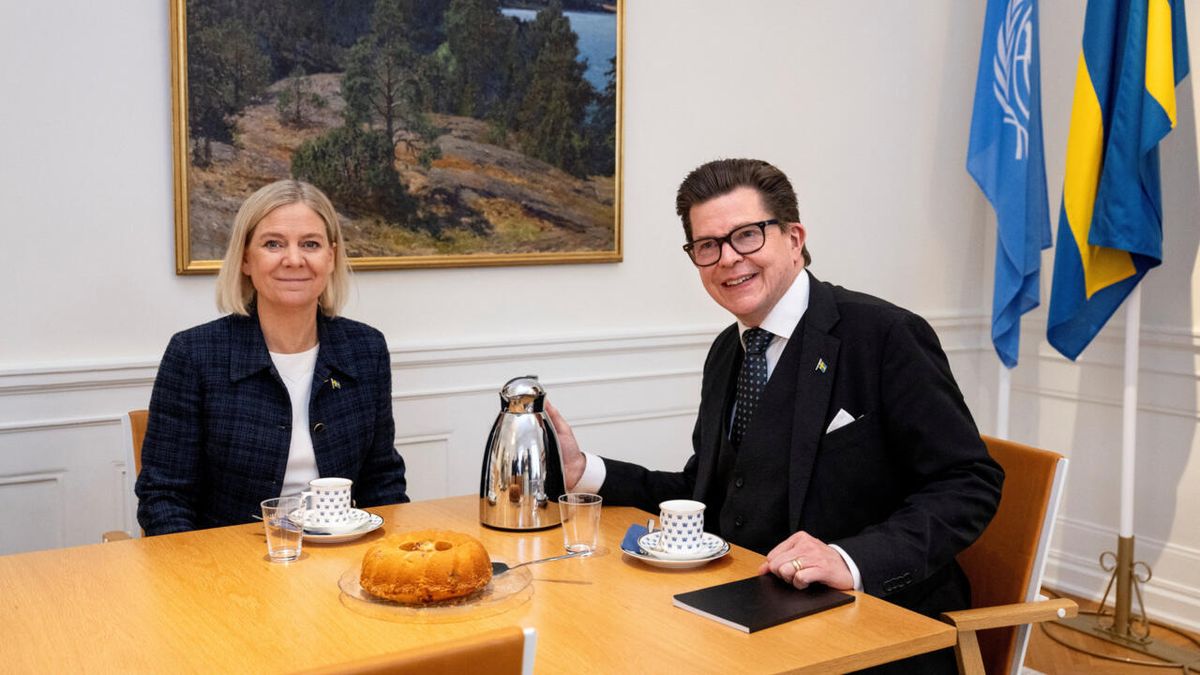
Swedish parliament speaker Andreas Norlen asked opposition leader Magdalena Andersson to form a new government after the September 2026 election gave the left‑wing bloc a three‑seat majority in the 349‑seat Riksdag. The bloc must unite the Social Democrats, the Left Party, the Centre Party and the Greens – a mix of socialists, environmentalists and a liberal agrarian party that has already ruled out cabinet posts for the Left Party.
The narrow margin forces every party to weigh institutional survival against policy ambition. The Centre Party, traditionally a king‑maker, can extract concessions on fiscal discipline, rural development and immigration limits – issues that keep its agrarian base satisfied. The Left Party, rooted in socialist economics, demands a stronger welfare state and a hard line on corporate tax cuts, leveraging its swing votes to push a more redistributive agenda.
The Social Democrats, led by Andersson, sit in the middle, tasked with translating a fragmented vote share into a coherent cabinet. Their incentive is twofold: retain the premiership after a brief 2021‑22 stint and prevent a return of the right‑wing coalition headed by Ulf Kristersson, which includes the anti‑immigration Sweden Democrats. Failure to broker a deal would hand the reins back to the right, allowing the Sweden Democrats to influence policy from a governing position for the first time since 2018.
Alliance math also matters beyond Sweden’s borders. The European Union watches closely; a left‑leaning government could shift Sweden’s stance on EU fiscal rules, climate commitments and defence spending, affecting the bloc’s collective bargaining power. Meanwhile, NATO allies monitor any potential softening on defence budgets, given Sweden’s recent strategic integration after its 2022 accession.
The rural electorate that traditionally backs the Centre Party faces uncertainty. If the Centre concedes too much to the Left’s welfare expansion, farmers may see higher taxes and stricter environmental regulations, threatening livelihoods in sparsely populated counties. Conversely, a coalition that sidelines the Centre could leave those voters feeling abandoned, nudging them toward the Sweden Democrats in future elections.
Urban residents, especially younger voters in Stockholm and Gothenburg, stand to gain from greener policies and expanded social services championed by the Greens and the Left. Yet any prolonged deadlock prolongs policy paralysis, delaying housing reforms and climate‑related infrastructure projects that many city dwellers rely on.
Public sector workers – teachers, nurses and municipal employees – are also on the line. A left‑leaning coalition promises higher wages and better staffing ratios, but financing those promises will require either higher taxes or reallocation of the national budget, potentially squeezing other public services.
Official statements emphasize “unity” and “constructive dialogue,” but they mask a deeper contest over media narratives and foreign influence. The Sweden Democrats have invested heavily in digital propaganda aimed at rural voters, framing the Left as a threat to Swedish cultural identity. Meanwhile, foreign actors – notably Russian‑linked outlets – have amplified anti‑immigration rhetoric to destabilise the coalition‑building process, hoping a fragmented left will weaken Sweden’s NATO commitment.
Domestically, the business community is quietly lobbying the Centre Party for a seat at the table, fearing that a Left‑dominated cabinet could introduce stricter corporate taxes and tighter labour regulations. Their influence is downplayed in public discourse, yet it shapes the concessions the Centre extracts.
The deadline for Andersson to report progress is September 28, when the new Riksdag convenes and elects a speaker. A successful coalition would likely see a minority government reliant on confidence‑and‑supply deals with the Centre, making every parliamentary vote a potential crisis point. If talks collapse, Kristersson’s right‑wing bloc could attempt to cobble together a new majority, possibly by courting the Sweden Democrats more openly – a scenario that would shift Sweden’s domestic agenda further to the right and test its EU and NATO alignments.
Observers should watch:
1. Centre Party negotiations – any concession on cabinet posts signals the balance of power.
2. Left Party’s red‑line – whether they soften their demand for cabinet representation.
3. Public opinion polls in the weeks after the election, especially in rural districts, for early signs of voter backlash.
4. Foreign media activity – spikes in anti‑immigration messaging could indicate external attempts to influence the outcome.
5. EU and NATO statements – any shift in Sweden’s commitments will reveal how the new government plans to navigate its security and economic obligations.
The coming weeks will determine whether Sweden’s left‑wing bloc can translate a sliver of parliamentary power into a governing reality, or whether the country slides back into a right‑leaning coalition that reshapes its domestic and international posture.
Source referenced: FRANCE24
This brief was synthesized by our Editorial Engine and reviewed by The Ground Narrative team.