TRENDING

Saturday, 19 September 2026
----------------------
8 Rabi' Al-Thani 1448 AH
Sudan's humanitarian crisis has reached unprecedented levels, with 35 million people in need of assistance. The conflict has led to a systemic societal collapse, with war hollowing out public services and displacing entire communities. As the international community struggles to respond, it's essential to understand the power mechanics at play and the human cost of inaction.
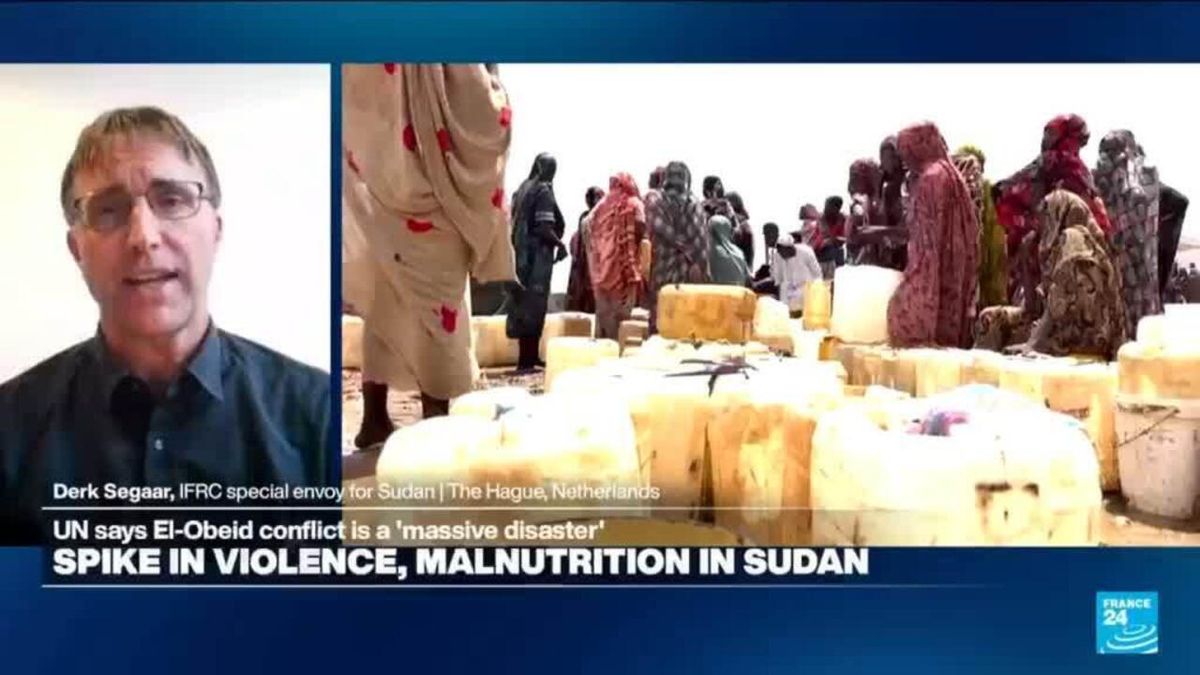
Sudan is facing the world's largest humanitarian crisis, with 35 million people in need of assistance. The conflict has ravaged the country, leading to a breakdown of its social, economic, and institutional fabric. The crisis is no longer just about shifting frontlines or military developments but about the cumulative collapse of public services, displacement of communities, and acceleration of disease.
The crisis in Sudan is a complex web of power struggles, with various actors vying for control. The military, led by Abdel Fattah al-Burhan, has been instrumental in the conflict, while international powers like the US and France have their own interests in the region. The humanitarian response has been hindered by a lack of access, funding, and coordination, with many organizations struggling to reach those in need. The international community's slow response has been criticized, with many arguing that it is driven by geopolitical interests rather than a genuine concern for the Sudanese people.
The human cost of the crisis is staggering, with entire communities displaced, and millions struggling to access basic necessities like food, water, and healthcare. Women and children are particularly vulnerable, with reports of rape and war crimes on the rise. The displacement of people has also led to the spread of disease, with many struggling to access medical care. The crisis has also had a devastating impact on the country's economy, with many businesses forced to close, and trade disrupted.
One of the most significant aspects of the crisis that is being downplayed is the role of international powers in exacerbating the conflict. The US and France have been accused of providing military support to the Sudanese government, despite its poor human rights record. The international community has also been criticized for its slow response to the crisis, with many arguing that it is driven by geopolitical interests rather than a genuine concern for the Sudanese people. The crisis in Sudan is also being used as a political tool, with many countries using it to further their own interests.
As the crisis in Sudan continues to unfold, it's essential to watch for several key developments. The international community's response to the crisis will be crucial, with many organizations calling for increased funding and access to those in need. The role of international powers in the conflict will also be closely watched, with many arguing that their actions are exacerbating the crisis. The humanitarian situation on the ground will continue to deteriorate, with many predicting a significant increase in displacement and human suffering. As the situation continues to unfold, it's essential to keep a close eye on the power mechanics at play and the human cost of inaction.
Editor's Note: The analysis is based on publicly available information and may not reflect the full complexity of the situation on the ground.
Source referenced: FRANCE24
This brief was synthesized by our Editorial Engine and reviewed by The Ground Narrative team.


