TRENDING

Monday, 3 August 2026
----------------------
20 Safar 1448 AH
A recent drone strike in western Darfur has killed at least 35 people, highlighting the escalating use of drone warfare in Sudan's three-year civil war. The conflict has created the world's largest humanitarian crisis, with millions displaced and thousands killed.
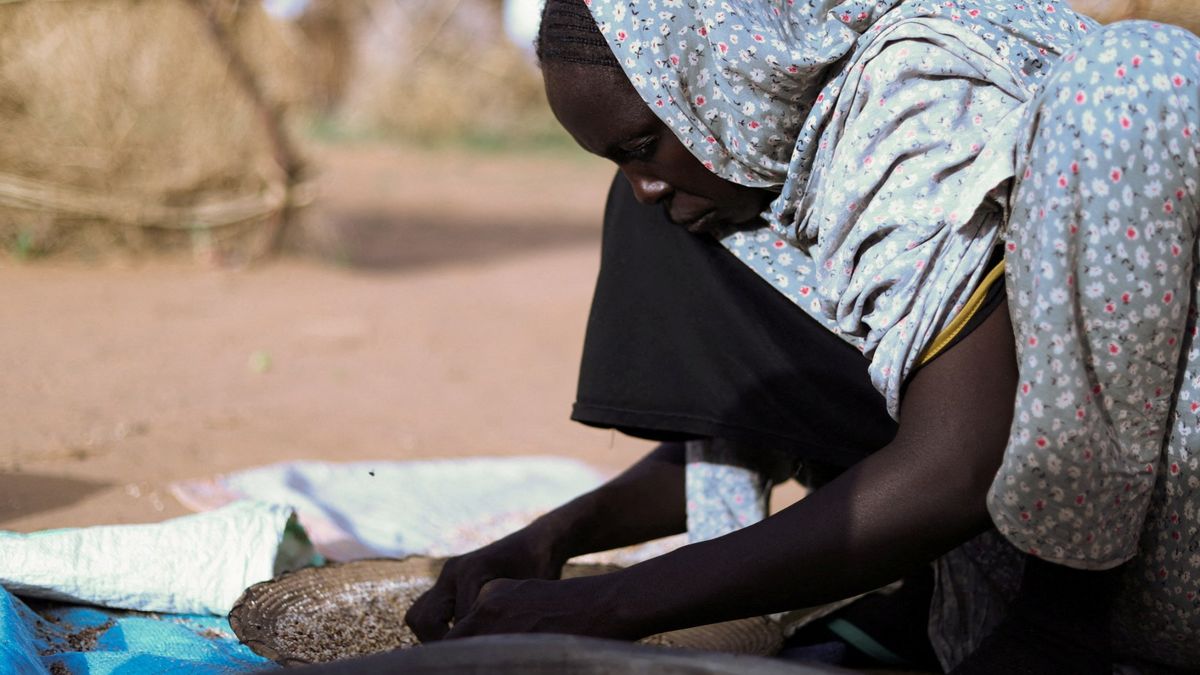
On Sunday, a Sudanese army drone struck a traditional court in the village of Garra al-Zawaya in North Darfur state, killing at least 35 people and wounding several others. The court, which serves as a traditional institution for resolving local and tribal feuds, was damaged in the strike. Civilians had gathered to attend hearings on local cases and disputes when the attack took place.
The conflict in Sudan is a complex web of power struggles between the Sudanese army and the paramilitary Rapid Support Forces (RSF). The RSF, which emerged from the government-backed militia known as the Janjaweed, has been accused of atrocities in Darfur in the early 2000s. The use of drone warfare has become increasingly prevalent, with both sides relying on drones to carry out attacks. The United Nations has reported that over 1,000 civilians were killed in drone strikes during the first five months of this year.
The conflict in Sudan has created the world's largest humanitarian crisis, with millions displaced and thousands killed. The drone strike in Garra al-Zawaya is just one example of the human cost of this war. The village, which is under the control of the RSF, has been affected by the conflict, with many civilians caught in the crossfire. The strike on the traditional court, which was attended by local community leaders, highlights the indiscriminate nature of drone warfare.
What is being downplayed by powerful actors is the role of external forces in fueling the conflict in Sudan. The RSF has been accused of receiving support from foreign powers, which has enabled them to carry out attacks on civilians. The Sudanese army has also been accused of receiving military aid from foreign countries, which has contributed to the escalation of the conflict. The use of drone warfare has also raised questions about the role of foreign powers in providing military technology to the warring parties.
As the conflict in Sudan continues to escalate, it is essential to watch for signs of increased foreign intervention. The use of drone warfare is likely to continue, and the humanitarian crisis is likely to worsen. The international community must take action to address the root causes of the conflict and to hold those responsible for human rights abuses accountable. The people of Sudan deserve a peaceful and stable future, and it is up to the international community to help them achieve it.
Editor's Note: The analysis is based on reports from rights groups and the United Nations, but the situation on the ground is complex and fluid, and the accuracy of some reports may be uncertain.
Source referenced: ALJAZEERA
This brief was synthesized by our Editorial Engine and reviewed by The Ground Narrative team.


