TRENDING

Saturday, 19 September 2026
----------------------
8 Rabi' Al-Thani 1448 AH
As the US and Iran prepare for talks, the fate of global energy prices and regional stability hang in the balance. But who really holds the power, and who will bear the human cost of this high-stakes game? The Ground Narrative digs deeper into the mechanics of power and the untold story behind the headlines.
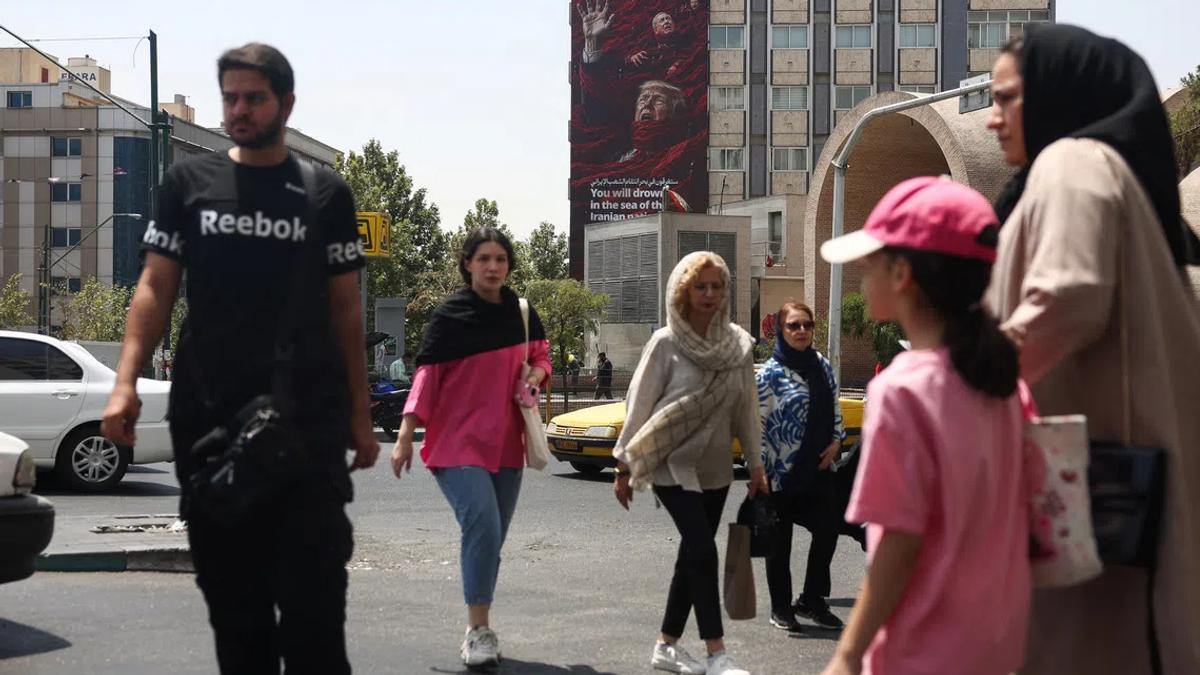
US President Donald Trump has announced that talks with Iran will take place on Monday, with the goal of reopening the Strait of Hormuz and resolving the impasse over Tehran's nuclear capabilities. The move comes after a weekend of heightened tensions, with Trump calling off an imminent attack in hopes of quickly reaching a deal.
The Strait of Hormuz is a critical chokepoint for global energy supplies, with 20% of the world's oil and liquefied natural gas passing through it. The US, Israel, and Gulf states have been pushing for Iran to reopen the strait, while Tehran has been using its control over the waterway as leverage in negotiations. But beneath the surface, a complex web of alliances and interests is at play. The US and Israel are closely coordinating their efforts to curb Iran's nuclear program, while Gulf states like Saudi Arabia and Oman are seeking to manage the strait and mitigate the risks of conflict.
The conflict over the Strait of Hormuz has already had a significant human impact, with energy prices rising and inflation spreading. The economic pain is being felt by ordinary people across the region, from truck drivers to households struggling to make ends meet. But the human cost goes beyond economics: the threat of war and the use of military force have created a climate of fear and uncertainty, with civilians caught in the crossfire.
What are the powerful actors in this conflict downplaying or omitting? One key aspect is the role of Israel, which has been closely coordinating its efforts with the US to curb Iran's nuclear program. Israeli Energy Minister Eli Cohen has made it clear that Israel will take action to strike Iran if it attempts to renew its nuclear program, regardless of any external commitments. But what does this mean for the prospects of a peaceful resolution to the conflict? Another aspect is the proposal by Oman to manage the strait, which Iran has publicly rejected. What are the implications of this rejection, and how will it affect the negotiations?
As the talks between the US and Iran get underway, readers should watch for several key developments. First, will the US and Iran be able to reach a comprehensive deal that addresses the core issues of the conflict, including the Strait of Hormuz and Iran's nuclear program? Second, how will Israel and other Gulf states respond to any agreement, and will they seek to undermine or support it? Finally, what will be the human impact of any deal, and will it bring relief to the ordinary people who have been suffering the consequences of this conflict?
Editor's Note: The analysis is based on publicly available information and may not reflect the full complexity of the situation on the ground.
Source referenced: STRAITSTIMES
This brief was synthesized by our Editorial Engine and reviewed by The Ground Narrative team.


