TRENDING

Saturday, 19 September 2026
----------------------
8 Rabi' Al-Thani 1448 AH
As Iran and the US engage in indirect talks over the Strait of Hormuz, the main obstacle to a resolution remains the question of control over the strategic waterway. The human cost of the conflict is mounting, with severe restrictions on commercial traffic and ongoing attacks on ships near the strait. The power mechanics at play are complex, with multiple factions within Iran vying for influence and the US seeking to exert pressure on Tehran.
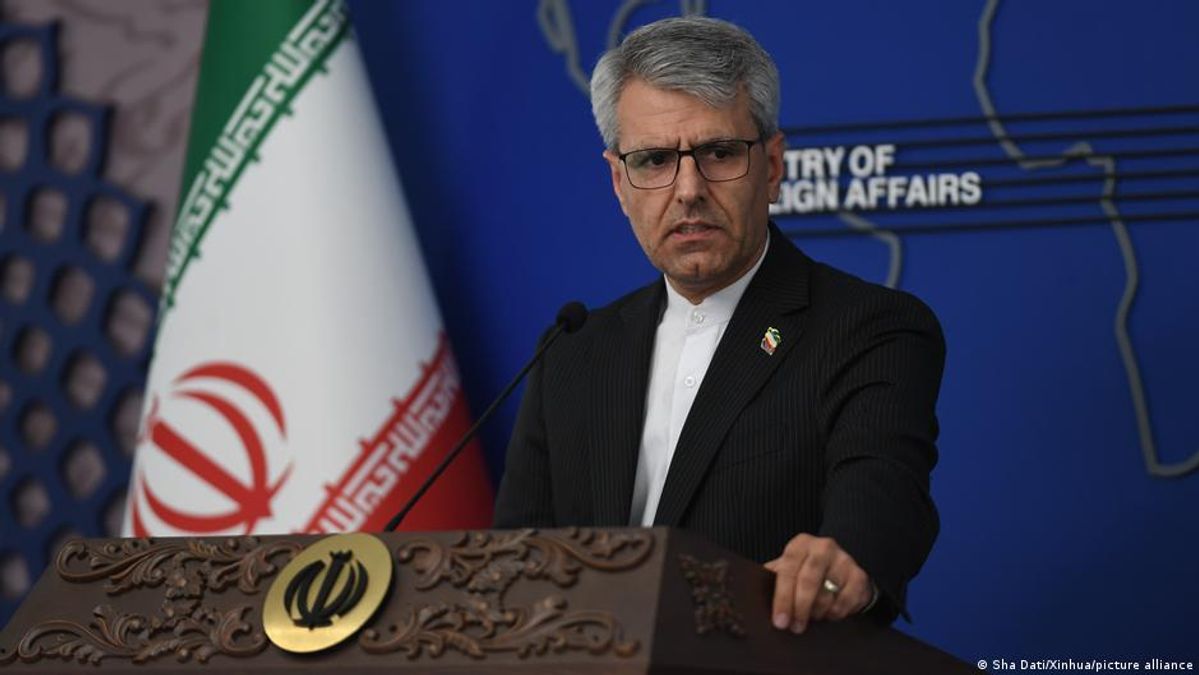
The Strait of Hormuz has become a critical point of contention between Iran and the US, with the two sides engaging in indirect talks over the strategic waterway. The US has described the talks as negotiations, while Iran has portrayed them as technical discussions with Oman about shipping through the strait. The discrepancy in language reflects the complex power dynamics at play, with each side seeking to shape the narrative to its advantage.
The power mechanics underlying the conflict are driven by competing interests and incentives. The US seeks to exert pressure on Iran to reopen the strait to unrestricted international shipping, while Iran wants to maintain some measure of control over vessels entering the Persian Gulf. The Iranian government is divided between rival factions, with some pushing for negotiations and others opposing any deal with the US. The lack of a clear leader in Iran has added to the uncertainty, allowing rival groups to claim they speak for the leadership.
The human cost of the conflict is mounting, with severe restrictions on commercial traffic through the strait and ongoing attacks on ships near the strait. The uncertainty surrounding the key waterway has also affected global markets, with oil prices and stock markets sensitive to any news about the strait. The people who bear the human cost of the conflict are not just the sailors and shipowners affected by the restrictions, but also the ordinary Iranians who are struggling to make ends meet in an economy crippled by sanctions and war.
What is being downplayed or omitted in the official statements is the extent to which the conflict is driven by ideological and factional interests within Iran. The hardline factions that oppose any deal with the US are motivated by a desire to preserve the Islamic Republic's traditional identity, which is rooted in opposition to the West. These factions fear that a deal with the US would mark the end of the ideological era they represent and ultimately lead to their own removal. The US, on the other hand, is seeking to exploit the divisions within Iran to its advantage, using the indirect talks as a means of exerting pressure on Tehran.
As the indirect talks continue, readers should watch for signs of which factions are gaining the upper hand in Tehran. If supporters of an agreement convince the leadership that continued isolation threatens reconstruction, the economy, and ultimately the system's survival, diplomacy could move forward. However, if hardliners succeed in presenting any compromise as surrender, even the indirect talks could collapse. The future of the talks may depend less on Muscat or Washington than on the internal dynamics of the Iranian establishment.
Editor's Note: The analysis is based on publicly available information and may not reflect the full complexity of the situation on the ground.
Source referenced: DW
This brief was synthesized by our Editorial Engine and reviewed by The Ground Narrative team.


