TRENDING

Friday, 18 September 2026
----------------------
7 Rabi' Al-Thani 1448 AH
A potential shipping deal between Iran and Oman could temporarily ease tensions in the Strait of Hormuz, but the underlying power dynamics and competing interests of regional and global actors will continue to shape the waterway's future. The agreement, if reached, would not only impact the global economy but also the lives of people living in the region.
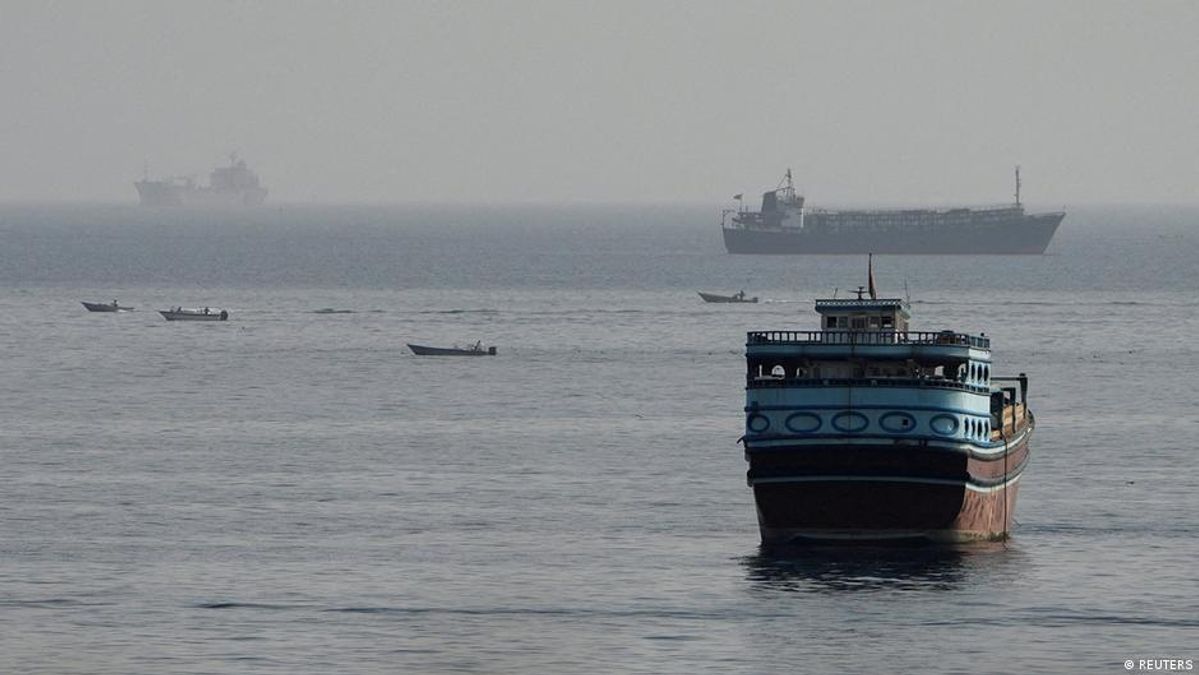
Iran and Oman are reportedly in the final stages of negotiating a deal to establish a new navigation route through the Strait of Hormuz, a vital artery for global trade. The agreement would temporarily reopen the strait, but it would not mean that the waterway has become safe for all passing vessels. The deal is seen as a tactical pause rather than a durable settlement, with both sides having different objectives and interests.
The Strait of Hormuz has long been a point of contention between Iran and the United States, with the two countries having competing views on the governance of the waterway. Iran wants control over vessels entering the strait, while the United States wants completely free passage. The proposed deal between Iran and Oman is an attempt to find a middle ground, but it is unclear whether it will be acceptable to the United States. The power dynamics at play are complex, with the United States, Iran, and Oman all having different interests and leverage in the region.
The ongoing tensions in the Strait of Hormuz have significant human costs, particularly for the people living in the region. The blockade of Iranian ports has had a devastating impact on the country's economy, with widespread poverty and unemployment. The people of Oman are also affected, as the strait is a critical trade route for the country. The deal, if reached, would provide some relief to the people of the region, but it is unlikely to address the underlying issues and tensions that have been building for years.
One aspect of the story that is not being fully reported is the role of the United States in the negotiations. While Iran claims that the deal was negotiated without US involvement, it is likely that the United States has been playing a behind-the-scenes role. The United States has significant interests in the region and is likely to want to maintain its influence over the Strait of Hormuz. The deal, if reached, would be a tactical victory for the United States, as it would provide relief from the pressure of soaring energy prices and allow the country to replenish its weapons stockpiles.
In the coming weeks and months, it will be important to watch for any developments in the negotiations between Iran and Oman. If a deal is reached, it will be crucial to monitor its implementation and whether it leads to a lasting reduction in tensions in the region. The role of the United States will also be critical, as it will likely continue to play a significant role in shaping the future of the Strait of Hormuz. The people of the region will be watching closely, as their lives and livelihoods are directly affected by the outcome of the negotiations.
Editor's Note: The analysis is based on publicly available information and may not reflect the full complexity of the situation on the ground.
Source referenced: DW
This brief was synthesized by our Editorial Engine and reviewed by The Ground Narrative team.