TRENDING

Monday, 3 August 2026
----------------------
20 Safar 1448 AH
As the US and Iran engage in new talks, the fate of global oil supplies and the stability of the Middle East hang in the balance. The recent decision to hold off on strikes against Iran has sparked a mix of relief and skepticism, with many wondering what concessions will be made and who will ultimately benefit. The human cost of conflict in the region is already being felt, from the crew of the Iranian commercial ship hit in a Ukrainian attack to the Palestinians killed in Israeli airstrikes.
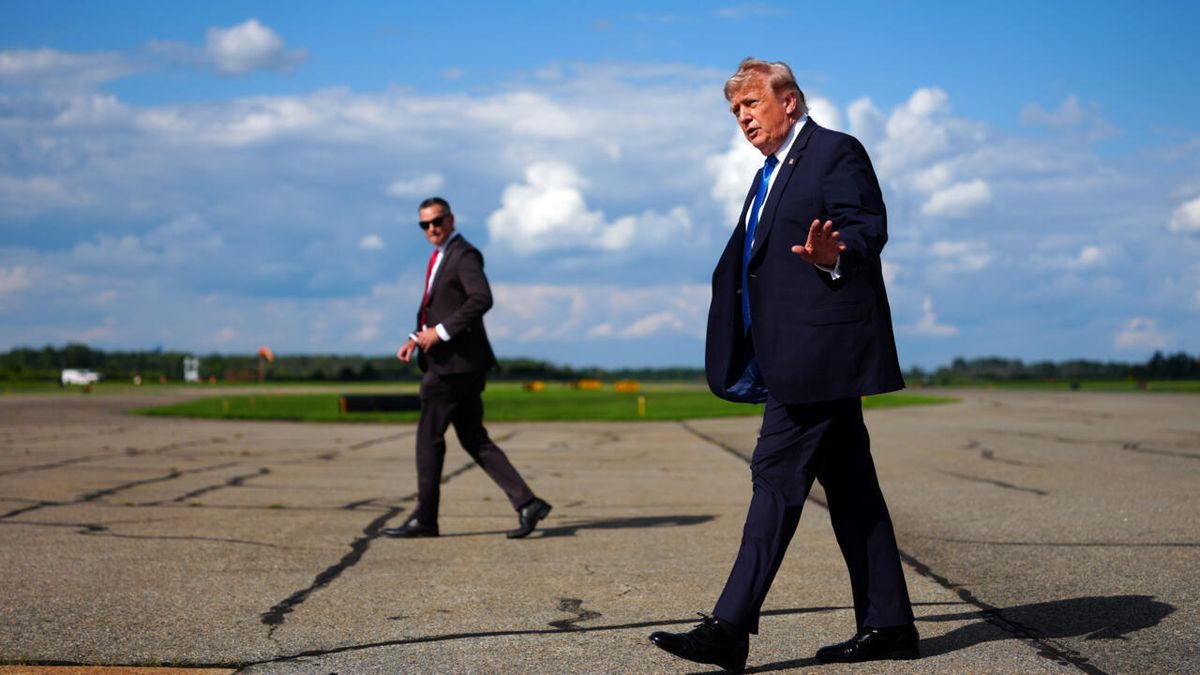
The United States and Iran are set to begin new talks on Monday, following President Donald Trump's decision to hold off on strikes against the Islamic republic. The move comes after a series of incidents in the Strait of Hormuz, including the attack on an Iranian commercial ship and the reported explosion near a tanker off the coast of Oman. The UK has warned that a prolonged closure of the Strait could push its economy into recession, highlighting the far-reaching consequences of the conflict.
The Strait of Hormuz is a critical chokepoint in the global oil supply chain, with nearly a third of the world's seaborne oil passing through it. The US, Israel, and Saudi Arabia have long been concerned about Iran's influence in the region and its ability to disrupt oil supplies. The recent tensions have sparked a surge in oil prices, with Brent crude futures slipping $5.52, or 6.28%, to $82.41 a barrel after Trump's announcement. The power dynamics at play are complex, with each side seeking to exert its influence and protect its interests. The US is seeking to negotiate a deal that would halt Iran's nuclear ambitions and reopen the Strait of Hormuz, while Iran is looking to maintain its sovereignty and regional influence.
The human cost of the conflict is already being felt, from the crew of the Iranian commercial ship hit in a Ukrainian attack to the Palestinians killed in Israeli airstrikes. The UK's warning of a potential recession highlights the far-reaching consequences of the conflict, which could have a devastating impact on economies and communities around the world. The people who weren't in the room when the decisions were made to launch airstrikes or impose sanctions are often the ones who suffer the most, from the sailors on the tankers to the civilians caught in the crossfire.
What are the powerful actors downplaying or omitting in their statements? The US and Israel are framing the conflict as a necessary response to Iran's aggression, while Iran is portraying itself as a victim of Western imperialism. However, the part no one is talking about is the role of Saudi Arabia and the UAE in the conflict, and how their interests are being protected by the US and Israel. The deal that is being negotiated may have significant implications for the region, but the details are being kept under wraps, leaving many to wonder what concessions will be made and who will ultimately benefit.
As the talks between the US and Iran begin, readers should watch for any signs of a breakthrough in the negotiations, as well as any further incidents in the Strait of Hormuz. The next turning points will be crucial in determining the outcome of the conflict, and the human cost will continue to mount if a resolution is not found. The UK's economy will be closely watched, as a prolonged closure of the Strait could have significant consequences for global trade and stability.
Editor's Note: The analysis is based on publicly available information and may not reflect the full complexity of the situation on the ground.
Source referenced: FRANCE24
This brief was synthesized by our Editorial Engine and reviewed by The Ground Narrative team.


