TRENDING

Monday, 3 August 2026
----------------------
20 Safar 1448 AH
Fast-moving wildfires have ravaged neighborhoods in Spokane, Washington, forcing 60,000 people to evacuate and destroying over 600 homes. As the city struggles to cope with the disaster, the true extent of the human cost is only beginning to emerge. The wildfires are a stark reminder of the devastating impact of climate change on communities across the United States.
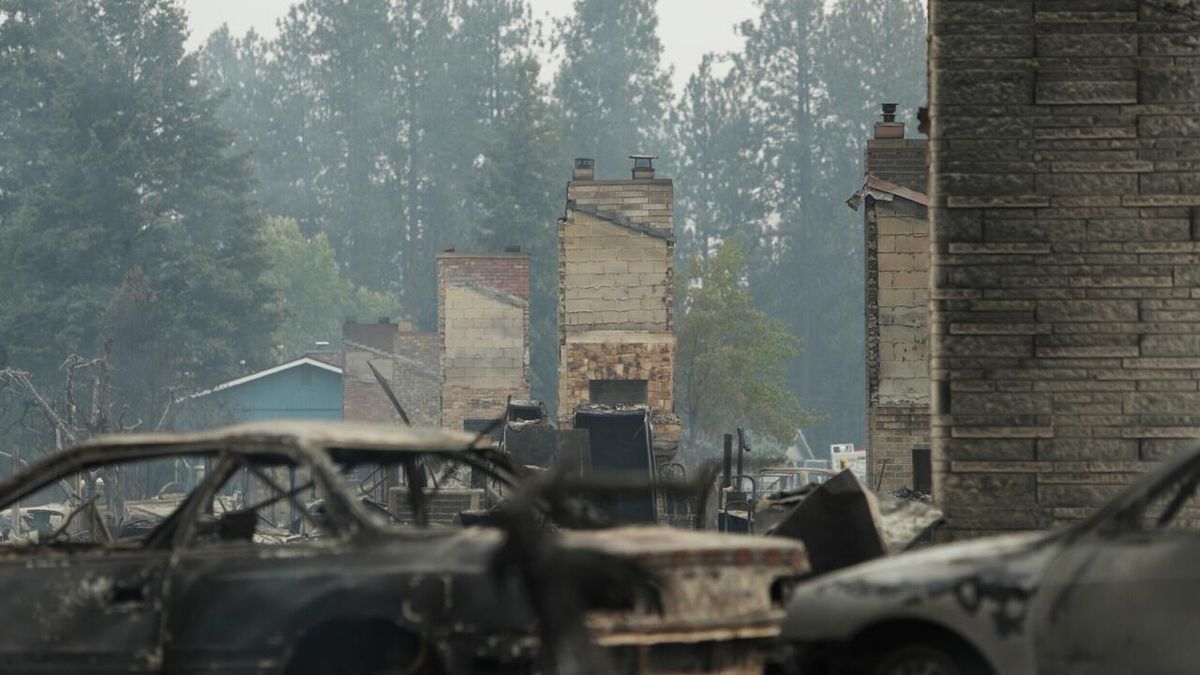
A series of fast-moving wildfires swept through the city of Spokane in eastern Washington state, forcing thousands of people to evacuate their homes and destroying hundreds of structures. The fires, fueled by strong winds and exceptionally dry conditions, have left a trail of destruction in their wake, with entire neighborhoods reduced to ashes.
The wildfires in Spokane are not an isolated incident, but rather part of a larger pattern of devastating wildfires that have become increasingly common in the United States. Climate change is creating conditions conducive to these disasters, with rising temperatures and changing weather patterns contributing to the spread of wildfires. The fact that Washington state is experiencing its fourth consecutive year of drought highlights the severity of the crisis. The response to the disaster has been led by local authorities, with Governor Bob Ferguson declaring a state of emergency and seeking federal assistance.
The human cost of the wildfires is devastating, with thousands of people forced to flee their homes and many more affected by the disaster. The emotional toll of the tragedy is evident in the words of Spokane resident Geoff Beadles, who described the scene as "heartbreaking." The economic impact of the disaster will also be significant, with hundreds of homes and businesses destroyed. The true extent of the human cost will only become clear in the coming days and weeks, as the city begins to rebuild and recover.
What is being downplayed in the official response to the disaster is the role of climate change in exacerbating the wildfire crisis. While Governor Ferguson acknowledged the impact of climate change on the state's drought, the broader implications of the crisis are being overlooked. The fact that the United States is experiencing an increase in extreme weather events, including wildfires, highlights the need for a more comprehensive approach to addressing the root causes of these disasters. The focus on providing emergency assistance and relief is necessary, but it does not address the underlying issues that are driving the crisis.
As the city of Spokane begins to rebuild and recover, it is essential to watch for the following developments: the extent to which the federal government provides support and resources to the affected communities, the impact of the disaster on the local economy and environment, and the measures taken by authorities to mitigate the risk of future wildfires. The response to the disaster will be a critical test of the ability of governments and communities to work together to address the challenges posed by climate change.
Editor's Note: The analysis is based on publicly available information and may not reflect the full complexity of the situation on the ground.
Source referenced: FRANCE24
This brief was synthesized by our Editorial Engine and reviewed by The Ground Narrative team.


