TRENDING

Wednesday, 5 August 2026
----------------------
22 Safar 1448 AH
SpaceX reports a loss of over half a billion dollars in its first quarterly statement as a public company, but revenue soars to $7.8bn. As the company expands its satellite-internet unit and AI infrastructure, who bears the human cost of this space race for profit?
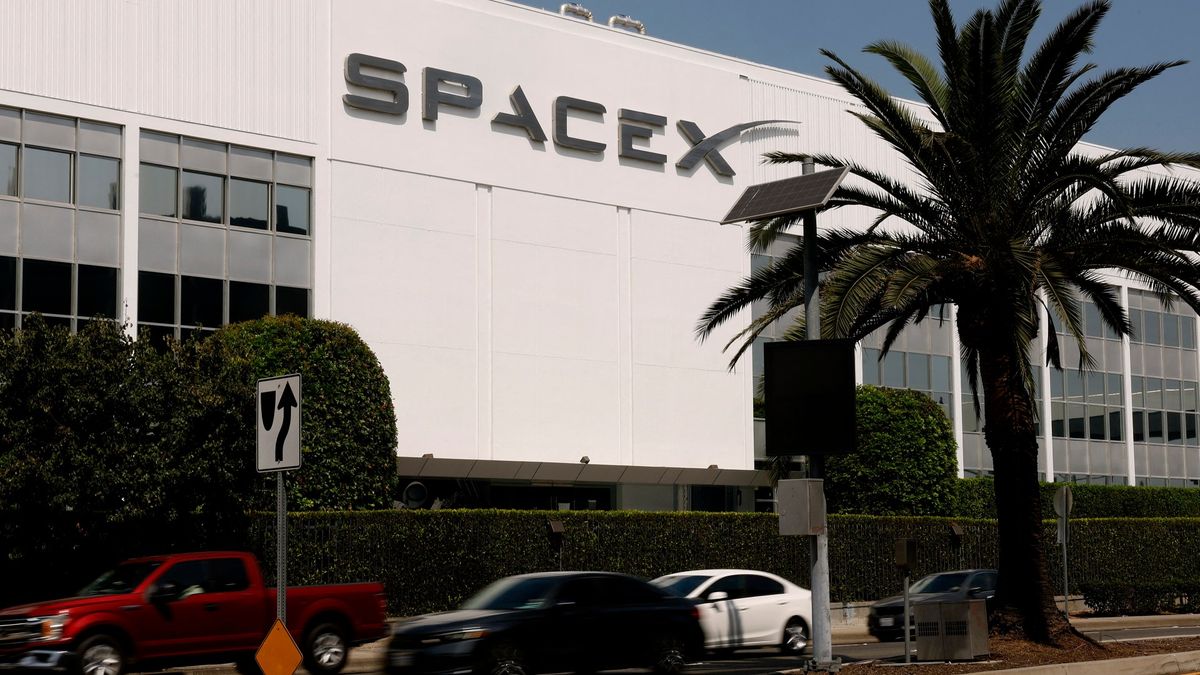
SpaceX, the private aerospace manufacturer and space transport services company founded by Elon Musk, has reported a loss of over half a billion dollars in its first quarterly statement as a public company. The company's revenue, however, soared to $7.8bn, up more than 90 percent from the year-earlier period. This news comes as SpaceX continues to expand its satellite-internet unit, Starlink, and its AI infrastructure, with plans to launch its "Starmind" AI satellites next year.
The power mechanics at play here are complex and multifaceted. On one hand, SpaceX's ability to secure $6bn in new US government contracts for its national security-centric satellite system, Starshield, demonstrates the company's growing influence in the defense industry. On the other hand, the company's heavy spending on Starlink and Starship expansion efforts, as well as its AI infrastructure, raises questions about the sustainability of its business model. As investors watch to see whether SpaceX can maintain growth while improving the economics of its network, it is clear that the company's success is tied to its ability to secure government contracts and expand its consumer base.
The human cost of SpaceX's pursuit of profit is a critical aspect of this story that is often overlooked. As the company expands its satellite-internet unit, it is clear that the benefits of this technology will not be evenly distributed. In fact, the company's plans to launch direct-to-device mobile services raise concerns about the potential for increased surveillance and data collection. Furthermore, the company's AI business, which has an operating loss of $1.2bn, is facing lawsuits around the globe for its use of AI to generate sexualized images of people without their consent. It is clear that the human cost of this technology will be borne by those who are already marginalized and vulnerable.
What is being downplayed in the official statements is the potential risks and consequences of SpaceX's pursuit of profit. The company's plans to launch its "Starmind" AI satellites next year, for example, raise concerns about the potential for increased militarization of space. Additionally, the company's partnership with Nvidia to use its chips in the Starmind AI1 orbital compute satellites raises questions about the potential for increased surveillance and data collection. As the company continues to expand its AI infrastructure, it is clear that the public needs to be aware of the potential risks and consequences of this technology.
As SpaceX continues to expand its satellite-internet unit and AI infrastructure, there are several key developments that readers should watch for next. Firstly, the company's ability to secure government contracts and expand its consumer base will be critical to its success. Secondly, the potential risks and consequences of the company's pursuit of profit, including the potential for increased surveillance and data collection, need to be closely monitored. Finally, the company's plans to launch its "Starmind" AI satellites next year will be a critical development to watch, as it raises concerns about the potential for increased militarization of space.
Editor's Note: The analysis is based on publicly available data and may not reflect the company's internal financials or future plans.
Source referenced: ALJAZEERA
This brief was synthesized by our Editorial Engine and reviewed by The Ground Narrative team.