TRENDING

Tuesday, 20 October 2026
----------------------
9 Jumada Al-Awwal 1448 AH
With a month left before leaders converge in Shenzhen, the city is racing to showcase a seamless, green summit. Behind the glossy schedule, power struggles and everyday burdens are already unfolding.
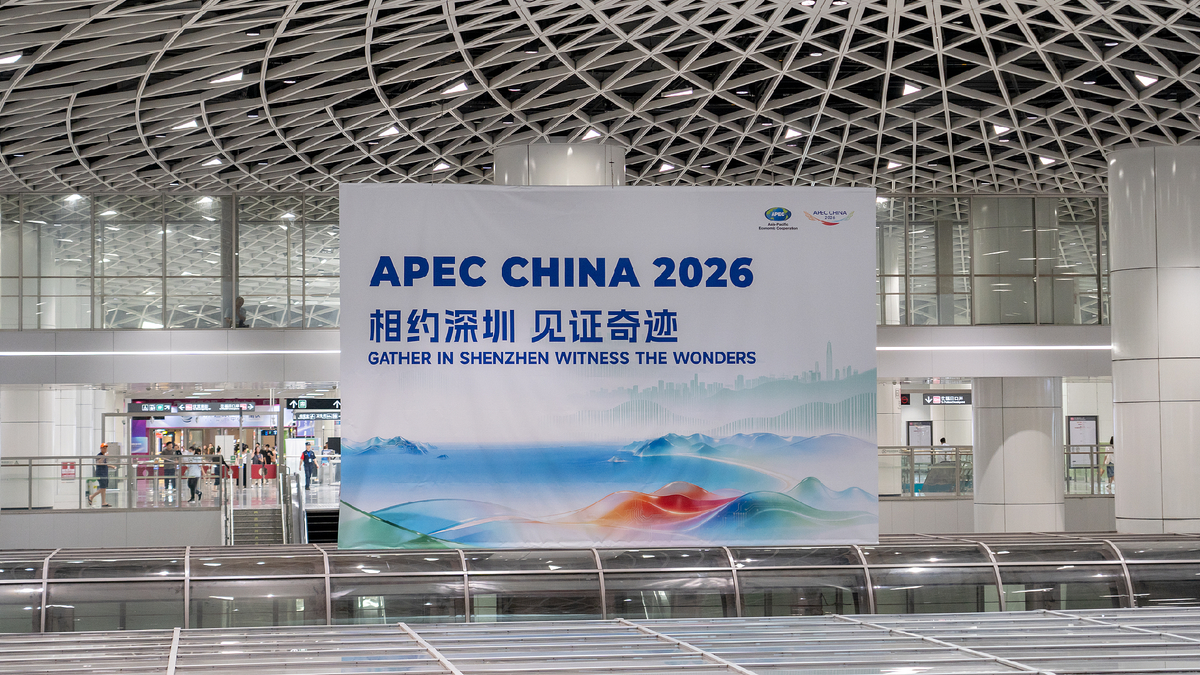
The 33rd APEC Economic Leaders' Meeting will convene in Shenzhen on November 18‑19, 2026, following a week of preparatory CEO and senior official gatherings. The host city has launched a "Green Travel, Smooth Journey for All" plan, adding 50 bus‑metro feeder routes and boosting bus frequency by 20% to manage the influx of delegates.
China views the summit as a stage to cement its vision of an "Asia‑Pacific community" built on openness, innovation, and cooperation. By framing the agenda around trade, digital economies, and inclusive development, Beijing hopes to offset growing trade frictions with the United States and showcase its own standards for supply‑chain resilience.
- Economic leverage: Hosting APEC allows China to steer discussions on connectivity projects such as the Belt‑and‑Road extensions, nudging smaller economies toward Chinese financing.
- Diplomatic signaling: The timing coincides with a series of high‑level talks in Shanghai, Suzhou, Chengdu and Dalian, creating a narrative of continuous engagement that masks underlying disagreements among the 21 member economies.
- Domestic politics: For President Xi and Foreign Minister Wang Yi, a flawless summit reinforces the legitimacy of the Communist Party’s development model, especially as internal challenges—property downturns and demographic slowdown—pressurize the leadership.
- Alliance math: The United States, Japan, and Australia are using the venue to push a counter‑narrative on digital governance and supply‑chain security, hoping to bind like‑minded partners while limiting Beijing’s influence.
- Technology showcase: Sessions on AI and digital inclusion give Chinese tech giants a platform to export standards, potentially shaping regulatory frameworks across the Pacific.
The city’s logistics push places a tangible burden on ordinary residents. While the "green travel" plan promises smoother commutes, the surge in bus routes and temporary road closures forces commuters to alter daily routines, often extending travel times for low‑income workers.
Shenzhen’s sprawling suburbs, home to many factory workers, will see increased traffic as security perimeters funnel vehicles onto designated arteries. Flexible‑work hour directives, though well‑intentioned, rely on employers’ willingness to adapt—something not guaranteed in a city where overtime culture is entrenched.
Hotels, restaurants, and informal street vendors scramble to meet the sudden demand for upscale hospitality. Prices for basic goods—water, snacks, and public transport tickets—rise, squeezing households already coping with rising living costs.
The expanded security apparatus introduces additional CCTV cameras and biometric checkpoints. Residents report heightened anxiety over constant monitoring, a legacy of the city’s role as a tech‑testing ground for facial‑recognition systems.
The promised "green" initiatives mask the environmental toll of constructing new feeder routes and temporary infrastructure. Dust, noise, and waste management challenges disproportionately affect neighborhoods near construction sites, where lower‑income families live.
Official statements emphasize cooperation, yet several layers of the agenda remain obscured.
While China publicly stresses openness, the summit also serves as a venue to pressure reluctant members—such as Australia and Vietnam—into aligning with Chinese standards on data flows and telecom equipment. This diplomatic nudging is rarely mentioned in press releases.
The rapid rollout of new bus routes relies on temporary contracts for drivers and maintenance crews, often lacking the benefits and job security of permanent staff. Workers are recruited from surrounding provinces, creating a hidden migrant labor pool that bears the brunt of long hours and limited protections.
The agenda’s focus on "inclusive development" glosses over the fact that most trade‑boosting agreements favor larger economies with bargaining power. Smaller Pacific Island members risk being sidelined, their concerns about climate finance and fisheries rarely making headline sessions.
Local NGOs that monitor environmental impact and civil liberties have reported restrictions on public gatherings during the summit week. Permits for protests are denied, and online commentary is subject to heightened moderation, limiting public debate about the summit’s true costs.
The leaders’ summit will culminate in a joint communiqué. Analysts should track whether the document contains concrete language on supply‑chain diversification, digital standards, or climate finance—areas where China and the United States have historically diverged.
- Finance Ministers' Meeting in Hong Kong (Oct 19‑21): Any agreement on regional financial cooperation could signal a willingness to bridge gaps or, conversely, entrench existing divides.
- Senior Officials' Meeting (Nov 14‑15): The final draft of the leaders’ declaration will be negotiated here; look for language that softens contentious points such as market‑access restrictions.
- Post‑summit trade deals: Watch for bilateral agreements signed on the sidelines, especially those involving Chinese infrastructure firms and Pacific Island economies.
- Domestic response in Shenzhen: Citizen complaints about transport delays, price hikes, or security measures will reveal how the city balances international prestige with local stability.
By monitoring these threads, observers can gauge whether the APEC gathering translates into substantive regional cooperation or remains a showcase for power projection with limited benefit for everyday people.
The summit aims to promote trade, digital economy cooperation, and inclusive development while allowing China to showcase its regional leadership and push its standards on connectivity and technology.
Residents face longer commutes, higher prices for goods and services, increased surveillance, and environmental disruptions as the city expands transport routes and tightens security for the event.
Editor's Note: Analysis based on publicly available summit preparations and historical patterns of APEC host dynamics.
Source referenced: CGTN
This brief was synthesized by our Editorial Engine and reviewed by The Ground Narrative team.