TRENDING

Saturday, 19 September 2026
----------------------
8 Rabi' Al-Thani 1448 AH
Russia’s September parliamentary vote delivers a rehearsed display of loyalty while ordinary citizens shoulder rising unemployment, fuel shortages and war‑driven price spikes.
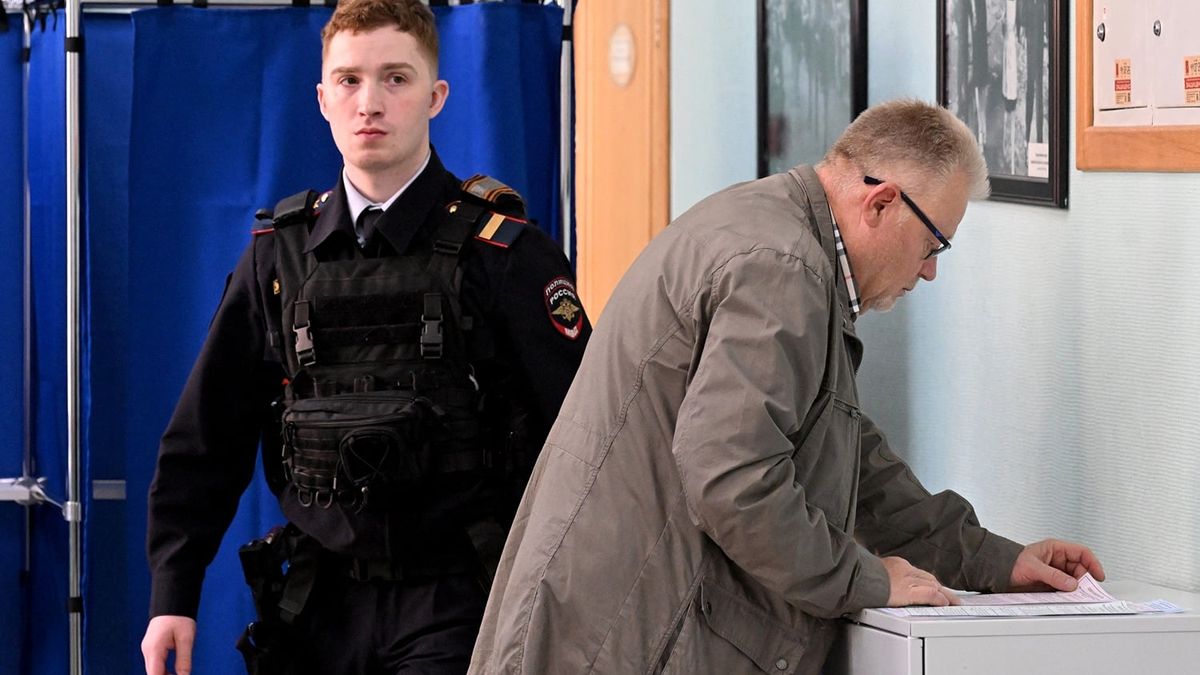
On September 18‑20, 2026, Russia held its first State Duma elections since the war in Ukraine began. Official tallies and pre‑election polls put United Russia, the party tied to President Vladimir Putin, at roughly 40 % of the vote, a comfortable majority. Independent observers were absent, opposition parties were barred from campaigning, and the nation’s sole non‑state election‑monitoring group was dissolved after its leader was imprisoned.
The Kremlin treats the election as a ritual of legitimacy rather than a competitive contest. By forcing voters to line up behind a single party, the regime reinforces a narrative of national unity that masks deepening economic strain. United Russia’s predictable win allows the state to claim a democratic veneer while sidestepping any genuine policy debate that could threaten elite cohesion.
Two structural incentives drive this choreography:
1. Political survival – Putin’s grip on power depends on projecting an image of uncontested popular support, especially as the war’s battlefield gains have stalled. A high‑visibility vote lets the leadership claim a fresh mandate without risking a genuine loss.
2. Economic trade‑offs – The war has eroded Russia’s GDP, spiked fuel shortages (over 30 % in many regions) and pushed unemployment concerns to a third of the population. By framing the election as a patriotic duty, the state redirects public frustration toward external enemies rather than internal mismanagement.
The absence of foreign observers and the shutdown of independent monitors eliminate any external pressure to adhere to international electoral standards. Meanwhile, the state‑run media’s broadcast of Putin’s “online ballot” turns a private act into a spectacle, reinforcing the message that the leader is personally invested in the nation’s fate.
Ordinary Russians bear the brunt of the war’s hidden costs. A Levada Center poll shows a third of citizens expect rising unemployment within a year, while fuel shortages have forced many small businesses to curtail operations or shut down entirely. The e‑commerce sector alone has lost an estimated $4.74 billion this year due to Ukrainian drone strikes on warehouses, a loss that translates into fewer jobs and higher prices for consumers.
In remote regions such as Udmurtia and the 158th district, candidates skipped televised debates, signaling that political ambition is secondary to survival. Workers in factories, transport crews coping with diesel scarcity, and families dependent on state pensions are forced to vote in a process that offers no avenue for policy change. Their daily reality—long lines at fuel stations, empty shelves, and the constant threat of conscription—contrasts sharply with the Kremlin’s narrative of a “united people, bound by shared values and love for the Motherland.”
While the Kremlin touts the election as a barometer of war support, it deliberately downplays the erosion of public trust. Independent polling data and anecdotal reports of voter apathy are omitted from official statements, creating a vacuum that state media fills with patriotic slogans. The shutdown of the only non‑state monitoring group eliminates a source of credible criticism, allowing the regime to claim that any dissenting voice is a foreign‑engineered plot.
Moreover, the election masks a budgetary strain that the state is unwilling to acknowledge publicly. Funding the war, subsidizing energy prices and maintaining a bloated security apparatus have drained the treasury, prompting the government to cut social programs and delay wage adjustments. By focusing the public discourse on external enemies and the symbolism of voting, the leadership sidesteps the uncomfortable question of how long the economy can sustain these expenditures.
Watch for three indicators that could reshape the power balance:
1. Economic pressure points – If fuel shortages widen or unemployment spikes beyond current projections, spontaneous protests could emerge, testing the regime’s capacity to contain dissent.
2. Opposition re‑emergence – Despite current bans, underground networks may exploit the election’s low turnout to mobilize grassroots campaigns, especially in regions hit hardest by economic fallout.
3. International response – Western sanctions tied to the war’s financing may tighten if evidence of fiscal desperation surfaces, further constraining Moscow’s ability to fund the conflict and maintain the election façade.
Future elections will likely continue the pattern of staged legitimacy, but the durability of that illusion hinges on whether the human cost becomes too visible to ignore. The next few months will reveal whether the Kremlin can keep the narrative afloat or if the underlying economic cracks force a recalibration of its domestic strategy.
Source referenced: FOREIGNPOLICY
This brief was synthesized by our Editorial Engine and reviewed by The Ground Narrative team.


