TRENDING

Sunday, 20 September 2026
----------------------
9 Rabi' Al-Thani 1448 AH
August 2 marks the European Roma Holocaust Memorial Day, honoring the memory of the 500,000 Roma and Sinti victims of the Nazi genocide. Despite decades of struggle for recognition, the Romani Holocaust remains a largely forgotten chapter in European history. This memorial day serves as a reminder of the ongoing struggle for justice and equality faced by the Roma community.
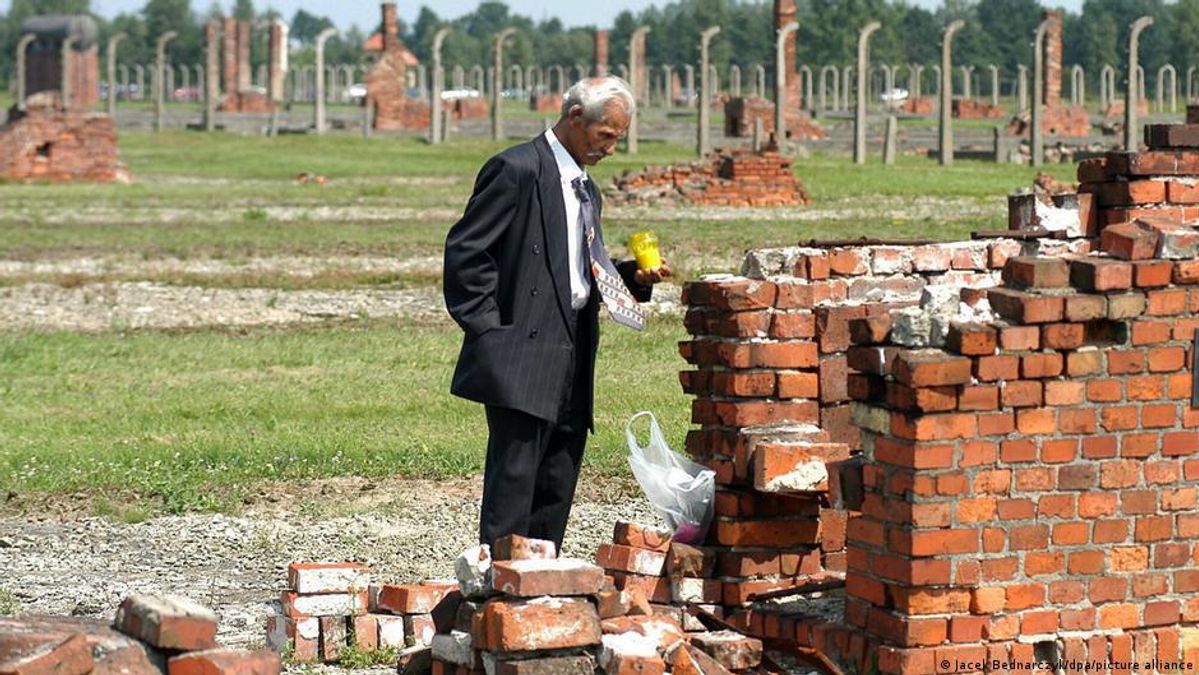
The European Roma Holocaust Memorial Day commemorates the Nazi genocide of 500,000 European Roma and Sinti during World War II. The day of remembrance, observed on August 2, marks the liquidation of the so-called "Gypsy Family Camp" in the Auschwitz-Birkenau Concentration and Extermination Camp in 1944. Thousands of Roma and Sinti were killed in gas chambers, shot, or beaten to death by Nazi henchmen.
The recognition of the Romani Holocaust has been a long and arduous process. Germany, where the genocide took place, only officially recognized the Romani Holocaust in the 1980s. The European Parliament declared August 2 the European Roma Holocaust Memorial Day in 2015. However, the commemoration of this day varies across European countries, with some countries, like Poland and the Czech Republic, observing it as an official day of remembrance, while others, like Bulgaria, do not. The power dynamics at play are complex, with governments and institutions often downplaying the significance of the Romani Holocaust.
The human cost of the Romani Holocaust is still felt today. Many Roma communities continue to face discrimination, poverty, and social exclusion. In some countries, like Slovakia, Roma women were forcibly sterilized without their consent. The legacy of the Romani Holocaust serves as a reminder of the dangers of racism and xenophobia. The commemoration of this day is not just about remembering the past but also about acknowledging the ongoing struggles of the Roma community.
One of the untold stories of the Romani Holocaust is the role of European governments and institutions in perpetuating the genocide. Many European countries, including Germany, Poland, and Hungary, have been accused of downplaying their role in the Romani Holocaust. The European Union has also been criticized for its handling of Roma issues, with many Roma communities feeling that their concerns are being ignored. The commemoration of the Romani Holocaust serves as a reminder of the need for greater transparency and accountability in addressing the historical injustices faced by the Roma community.
As the European Roma Holocaust Memorial Day is observed, it is essential to watch for the following developments: increased recognition of the Romani Holocaust by European governments and institutions, greater efforts to address the ongoing struggles of the Roma community, and a more nuanced understanding of the complex power dynamics at play. The commemoration of this day serves as a reminder of the need for ongoing vigilance and activism in promoting justice and equality for the Roma community.
Editor's Note: The analysis is based on historical records and current events, but the complexity of the issue and the varying levels of recognition across European countries may affect the accuracy of the information.
Source referenced: DW
This brief was synthesized by our Editorial Engine and reviewed by The Ground Narrative team.


