TRENDING

Saturday, 19 September 2026
----------------------
8 Rabi' Al-Thani 1448 AH
Reza Pahlavi, the son of the last shah of Iran, has been a prominent opposition figure abroad, but his influence and credibility are waning among Western policymakers and Iranians. As his political star fades, the future of Iran's opposition remains uncertain.
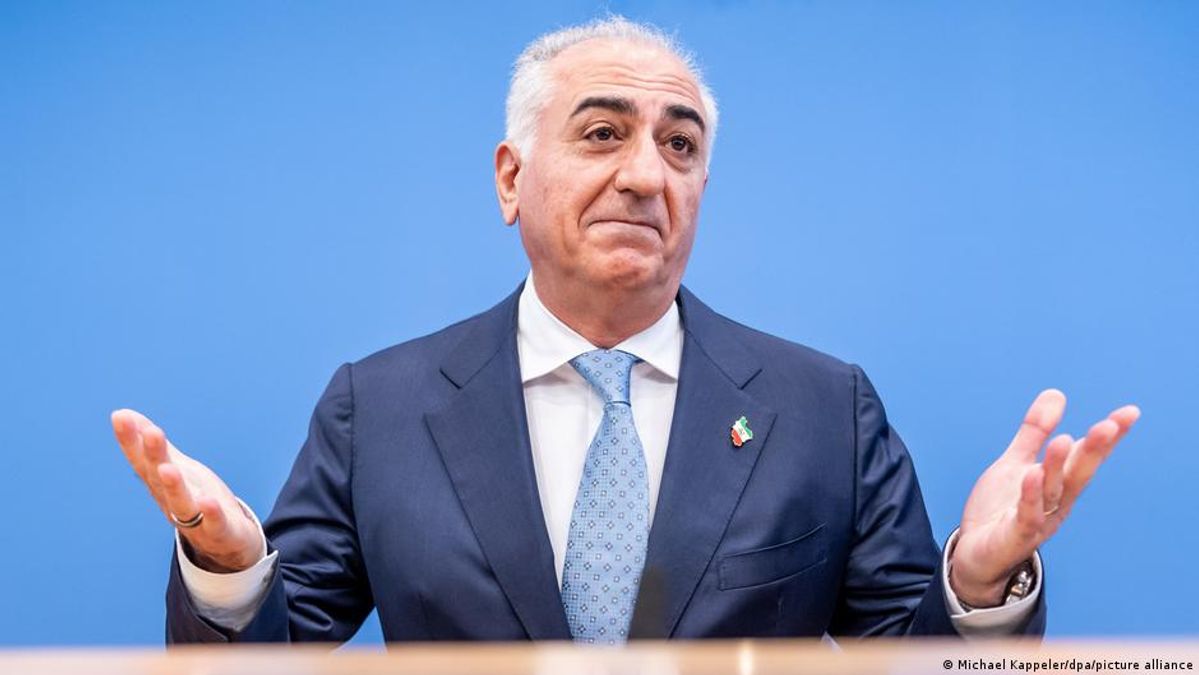
Reza Pahlavi, the son of the last shah of Iran, has been a prominent opposition figure abroad, but his influence and credibility are waning among Western policymakers and Iranians. A recent investigation by Reuters has raised questions about Pahlavi's ability to lead Iran through a transitional period, with senior US officials publicly distancing themselves from the prospect of a US-backed effort to bring Pahlavi to power.
The structural forces at play in Iran's opposition are complex, with different factions and interests vying for power. Western governments, particularly the US and Europe, have been cautious in their approach to Pahlavi, with some viewing him as a useful source of pressure on the Islamic Republic, while others see him as a relic of the past. Israel's approach differs, with some officials viewing Pahlavi as a potential alternative to the Islamic Republic. However, Pahlavi's reliance on foreign military intervention and his failure to build a lasting political coalition have raised concerns among critics.
The consequences of war and foreign intervention in Iran have been devastating for the Iranian people, with many facing repression, economic hardship, and inflation. The Iranian population has borne the brunt of the conflict, with simplistic assumptions about political change through foreign intervention bringing suffering to the people. The decline of Pahlavi's popularity in Iran is uncertain, but his association with conservative and right-wing parties in the US and Europe, as well as his support for a war that many Iranians regard as unjust, have damaged his position.
What are governments, corporations, or official statements omitting, downplaying, or framing away? The fact that Western governments have never regarded Pahlavi as a truly viable option is a crucial aspect of the story. The emphasis on Pahlavi's personal charisma and his ability to connect with different groups within the opposition has overshadowed the lack of a clear, systemic alternative to the Islamic Republic. The cautious attitude of Western governments towards Pahlavi and the limitations of his movement have been downplayed, with some analysts arguing that Pahlavi's credibility among Iranians has actually increased.
As Pahlavi's political star continues to fade, the future of Iran's opposition remains uncertain. Readers should watch for signs of a shift towards a more systemic alternative, with a focus on civil society and domestic forces within Iran. The position of international powers, particularly the US and Europe, will be crucial in determining the trajectory of Iran's opposition. The ability of Pahlavi or other opposition figures to unite opponents of the Islamic Republic and offer a realistic prospect of structural political change will be a key factor in shaping the future of Iran's politics.
Editor's Note: The analysis is based on publicly available information and may not reflect the full complexity of the situation on the ground.
Source referenced: DW
This brief was synthesized by our Editorial Engine and reviewed by The Ground Narrative team.


