TRENDING

Tuesday, 15 September 2026
----------------------
4 Rabi' Al-Thani 1448 AH
Yemen's Houthi rebels have denied plans to charge ships for passing through the Red Sea, but the threat of disruption to global trade remains. The Bab al-Mandeb Strait is a vital chokepoint, and any fee on passage would have significant implications for the global economy. As tensions rise, the human cost of the conflict is often overlooked.
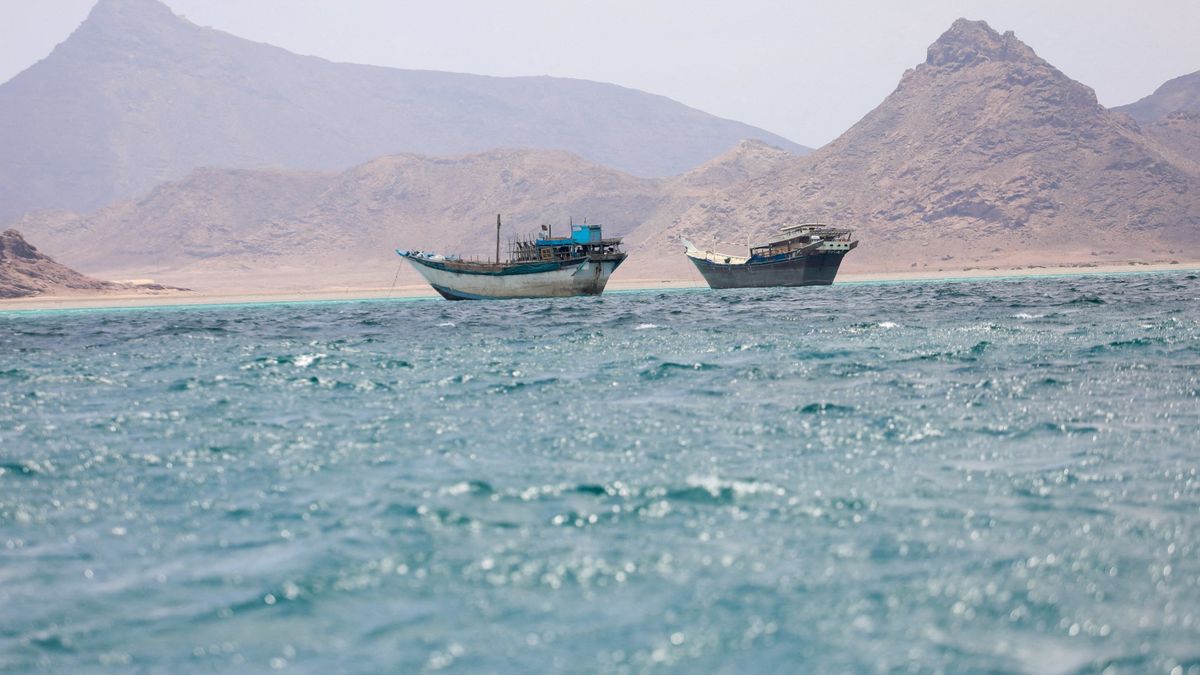
Yemen's Houthi rebels have denied planning to charge ships for passing through the Red Sea, saying passage through the waterway remains free. The denial came in a statement issued by the Houthi-run Humanitarian Operations Coordination Center (HOCC), which oversees vessel movement through the Bab al-Mandeb Strait.
The Bab al-Mandeb Strait is a vital chokepoint linking the Red Sea to the Gulf of Aden, used by ships carrying oil and other cargo between Asia, Europe, and the Middle East. Any disruption to trade through this strait would have significant implications for the global economy, particularly for Saudi Arabia, which has increasingly relied on the strait as an alternative export route. The Houthis' actions are likely influenced by their alignment with Iran, which has its own interests in disrupting global trade. The US-Israel war on Iran has already led to the closure of the Strait of Hormuz, and any similar disruption to the Bab al-Mandeb Strait would further exacerbate global trade tensions.
The conflict in Yemen has already had a devastating impact on the local population, with widespread poverty, hunger, and displacement. The threat of disruption to global trade through the Bab al-Mandeb Strait would only add to the human cost of the conflict. Shipping companies and their crews would be directly affected, as would the economies of countries that rely on trade through the strait. The people of Yemen, who are already suffering under the weight of war, would be further impoverished by any disruption to trade.
What is being downplayed in the current narrative is the extent to which the Houthis' actions are being influenced by their alignment with Iran. The fact that Iranian advisers reportedly helped set up an authority to regulate fees on ships transiting the Bab al-Mandeb Strait suggests a significant level of coordination between the two actors. Additionally, the role of the US-Israel war on Iran in exacerbating global trade tensions is being overlooked. The conflict in Yemen is often portrayed as a local issue, but it is in fact part of a broader regional struggle for power and influence.
As tensions rise, readers should watch for any further developments in the conflict, particularly any signs of increased coordination between the Houthis and Iran. The response of the international community, including the US and Saudi Arabia, will also be crucial in determining the outcome of the conflict. The newly announced 14-nation maritime coalition aimed at protecting freedom of navigation through the Bab al-Mandeb Strait, the Red Sea, and the Gulf of Aden will be an important factor to watch, as will any further developments in the US-Israel war on Iran.
Editor's Note: The analysis is based on publicly available information and may not reflect the full complexity of the situation on the ground.
Source referenced: ALJAZEERA
This brief was synthesized by our Editorial Engine and reviewed by The Ground Narrative team.


