TRENDING

Wednesday, 4 November 2026
----------------------
24 Jumada Al-Awwal 1448 AH
China and the United States say they are keeping diplomatic lines open for presidential meetings this year. Behind the polite statements lie power calculations that ripple through economies, militaries, and everyday citizens worldwide.
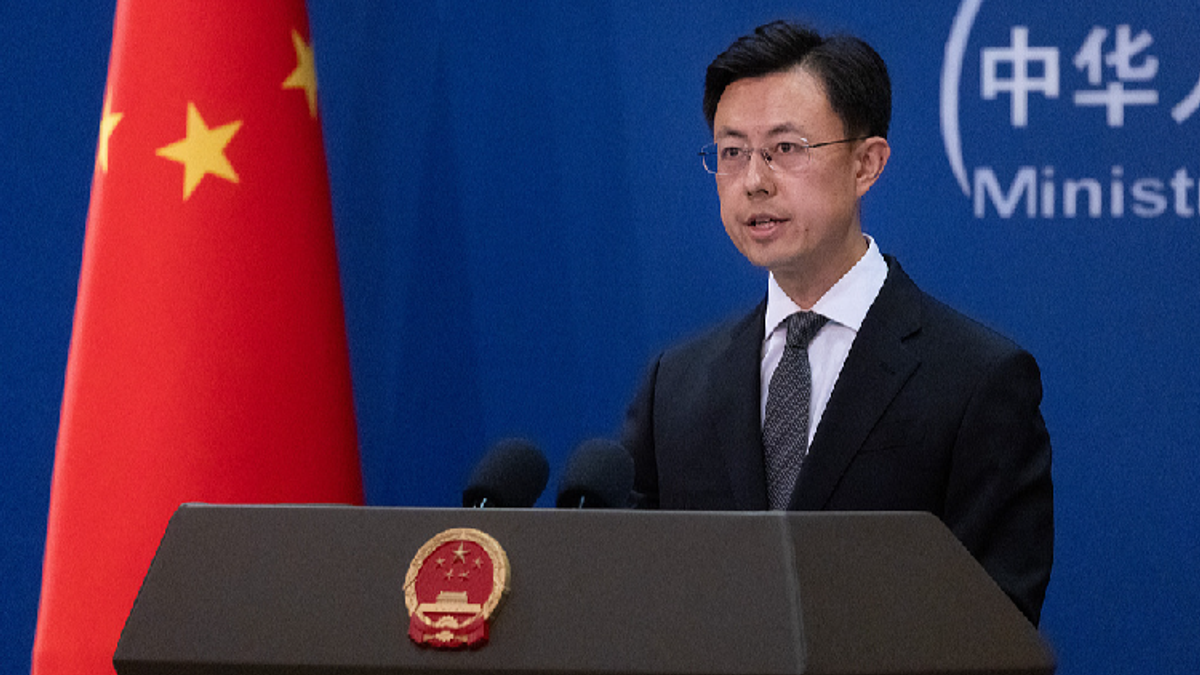
Chinese Foreign Ministry spokesperson Guo Jiakun told reporters on September 18 that Beijing and Washington are "maintaining communication" about possible face‑to‑face encounters between their leaders later in 2026. The comment was a routine answer to a press query, but it signals that both capitals are still negotiating the timing, venue, and agenda of a high‑level summit that has been postponed repeatedly.
Both governments are juggling domestic and international pressures. In Beijing, President Xi faces a need to project strength amid a slowing economy, rising debt, and a hard‑line foreign policy narrative. A summit with President Biden offers a diplomatic win‑win: it can be framed as a triumph of Chinese senior leadership while also providing a platform to push back on U.S. demands over trade, technology transfer, and Taiwan.
In Washington, President Biden’s administration is contending with a divided Congress, upcoming mid‑term elections, and a public weary of endless foreign‑policy crises. A well‑timed meeting can be sold as a diplomatic breakthrough, bolstering the president’s foreign‑policy credentials without committing to concessions that could be seized on by political opponents.
Beyond personal politics, the two powers are managing a broader alliance calculus. The United States must reassure allies in Europe and Asia that it remains the security guarantor, while China seeks to demonstrate that it can negotiate on equal footing, thereby attracting non‑aligned states to its Belt‑and‑Road network. Economic stakes are also high: a summit could unlock new trade talks, affect semiconductor supply chains, and influence global commodity markets, all of which feed back into domestic political capital.
The diplomatic choreography matters most to those whose livelihoods depend on the global order. In the United States, factory workers in the Midwest watch the semiconductor and auto sectors for signs of new tariffs or export controls that could dictate whether a plant stays open. In China’s coastal manufacturing hubs, small‑business owners fear sudden policy shifts that could tighten export licences or force technology sharing.
In Taiwan, the specter of a high‑profile U.S.–China meeting fuels anxiety about military posturing and the island’s international space. Farmers and fishermen on the island’s western coast worry that any perceived softening of U.S. resolve could invite increased Chinese naval activity, threatening their catch and safety.
Across the developing world, nations that rely on Chinese infrastructure loans or U.S. development aid watch the summit for clues about future financing terms. A tilt toward one superpower could reshape debt‑service obligations, affecting schools, hospitals, and roads that millions depend on.
Official statements gloss over the behind‑the‑scenes bargaining over “red lines.” Both sides are likely using the communication channel to test each other’s tolerance for pressure on Taiwan, the South China Sea, and human‑rights issues. The language of “maintaining communication” masks a strategic game of signaling: Beijing wants to avoid a public showdown that could trigger sanctions, while Washington aims to keep the diplomatic door open without appearing weak.
Equally omitted is the role of private intelligence firms and corporate lobbyists who feed real‑time assessments to policymakers. Their analyses shape the timing of the summit, often prioritizing market stability over democratic accountability. The public narrative therefore hides a network of non‑state actors influencing state decisions.
Watch for three concrete signals in the coming months: (1) leaked drafts of a joint communiqué that could reveal concessions on technology export controls; (2) movements of naval vessels in the Taiwan Strait that may be used as leverage in the negotiation; and (3) statements from key congressional committees or the National People’s Congress that could either empower or constrain the leaders’ bargaining space.
If a summit materialises, the agenda will likely be framed around climate cooperation, pandemic preparedness, and trade fairness—issues that can be packaged as win‑win while leaving core security disputes untouched. The real test for ordinary citizens will be whether any agreement translates into tangible relief—stable jobs, affordable goods, and reduced military tension—or remains a diplomatic footnote.
In the meantime, the quiet diplomatic ping serves as a reminder: high‑level talks are less about personal rapport and more about the calculus of power, with everyday lives hanging in the balance.
Source referenced: CGTN
This brief was synthesized by our Editorial Engine and reviewed by The Ground Narrative team.