TRENDING

Wednesday, 21 October 2026
----------------------
10 Jumada Al-Awwal 1448 AH
The 16th Milipol Qatar brings together hundreds of defence firms and a new French security pact, while the real story unfolds among migrant laborers and surveilled citizens. This analysis untangles the power play and the human cost hidden behind the glossy displays.
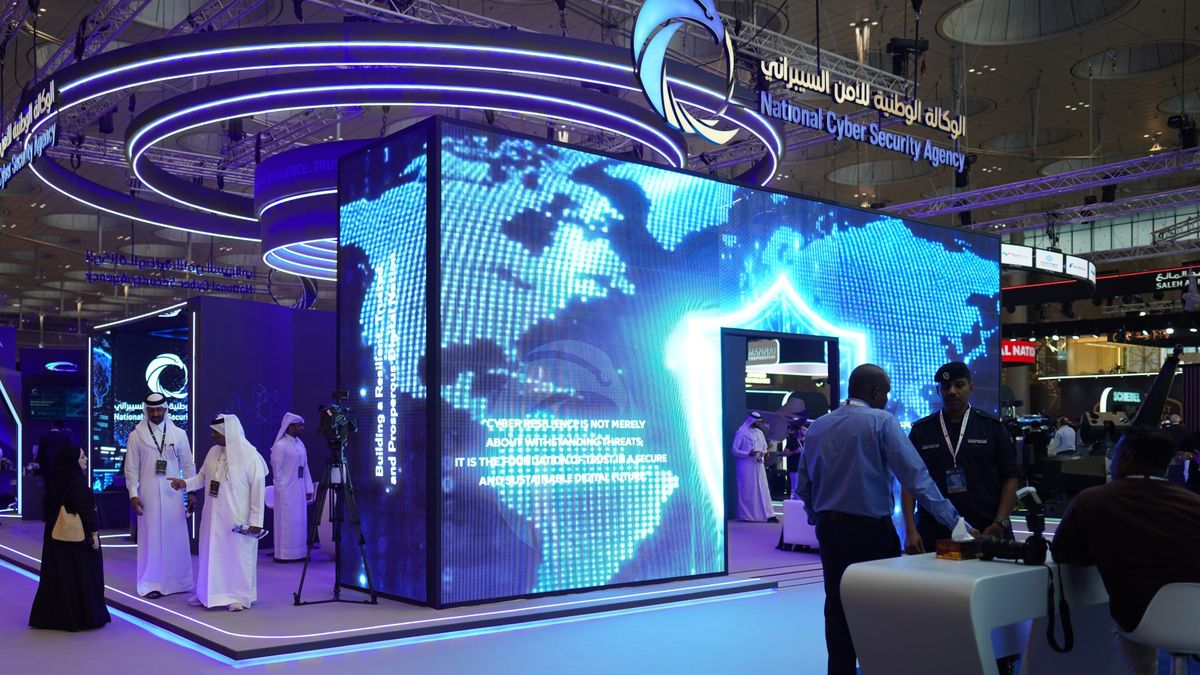
The 16th edition of Milipol Qatar 2026 opened at the Doha Exhibition and Convention Center, gathering more than 270 local and international firms showcasing the latest homeland‑security gear. On the sidelines, Qatar and France signed a three‑year security cooperation plan covering organised crime, counter‑terrorism and civil protection.
- Qatar’s geopolitical bet – By hosting a high‑tech security fair, Doha signals its ambition to become a regional hub for defence procurement, leveraging its wealth from gas revenues to attract Western firms. The event dovetails with Qatar’s broader soft‑power strategy, using sport, media and now security tech to punch above its population size.
- French industry gains – The France‑Qatar action plan opens a pipeline for French companies to sell drones, surveillance software and border‑control kits to Gulf clients. France, seeking to offset slowing European defence budgets, views the Gulf as a reliable market that can subsidise domestic R&D.
- AI and automation – The concurrent Doha International Conference on AI and Security highlights a shift from conventional hardware to algorithmic policing. Companies are pitching facial‑recognition suites, predictive‑analytics platforms and even robot dogs that can patrol crowds, promising to reduce manpower costs for host nations.
- Alliance math – The deal reinforces a tacit security triangle linking Qatar, France and, by extension, NATO‑aligned partners. It offers France a foothold in the Gulf without the political baggage of a formal base, while Qatar gains a credible ally against regional rivals.
- Migrant workers – The exhibition halls, booths and the surrounding infrastructure are built largely by low‑wage laborers from South Asia and Africa, many on the Kafala system that ties their residency to a single employer. Their daily reality includes long hours, heat‑related illnesses and limited legal recourse.
- Security personnel – As Qatar imports advanced surveillance tools, local police and civil‑defence units face new training demands and the pressure to monitor public gatherings more intensively. The technology can erode privacy for ordinary residents, especially during high‑profile events like the World Cup legacy projects.
- Civil liberties – AI‑driven monitoring raises concerns about algorithmic bias that could disproportionately target migrant communities or political dissenters. The lack of transparent oversight mechanisms means citizens have little recourse if false positives lead to arrests or fines.
- Labor rights under the radar – Official statements celebrate the expo’s economic boost, yet they sideline the precarious status of the workers who construct and staff the venue. International NGOs have repeatedly flagged Qatar’s poor enforcement of labour standards, a narrative largely absent from the exhibition’s glossy press releases.
- French arms export opacity – While the bilateral plan is framed as a cooperation on crime‑fighting, it also opens channels for French defence firms to sell lethal equipment to a region fraught with proxy conflicts. Export‑control debates in Paris are muted, and the true scale of arms transfers remains undisclosed.
- AI surveillance blind spots – The conference touts AI as a neutral tool, but it glosses over the technology’s dependence on massive data collection, often harvested without consent. The lack of independent audits means potential misuse for political repression stays hidden.
- Economic diversification myth – Qatar promotes the expo as a step toward a knowledge‑based economy, yet the bulk of revenue still stems from hydrocarbons. The security sector’s growth may simply re‑channel oil wealth into a new export market rather than diversifying away from fossil fuels.
- French contracts – Follow the procurement notices from Qatar’s Ministry of Interior for French‑made drones and facial‑recognition kits; the scale of these orders will indicate how deep the partnership goes.
- Regional security dynamics – Monitor how neighbouring states—Saudi Arabia, the UAE and Iran—react to Qatar’s enhanced surveillance capabilities, especially in the context of ongoing maritime disputes and proxy wars in Yemen and Syria.
- AI regulation – Watch for any legislative moves in Qatar or France concerning the export of AI‑enabled security tools. International pressure could force transparency standards that affect future deals.
- Labor reforms – Keep an eye on labor‑rights campaigns that target the Kafala system. Any policy shift, prompted by global scrutiny of the expo, could alter the lived conditions of the thousands of workers behind the scenes.
- Public sentiment – Social media chatter among Doha residents during the expo may reveal growing unease about pervasive monitoring, offering early warning signs of domestic pushback.
The three‑year plan covers joint efforts against organised crime, drug trafficking, counter‑terrorism, event security and civil protection, and it opens a market for French surveillance and defence equipment.
Most of the construction and logistical staff are low‑paid migrant laborers under the Kafala system, facing long hours, limited legal protection and health risks while building the expo infrastructure.
Source referenced: ALJAZEERA
This brief was synthesized by our Editorial Engine and reviewed by The Ground Narrative team.