TRENDING

Saturday, 19 September 2026
----------------------
8 Rabi' Al-Thani 1448 AH
Poland's Prime Minister Donald Tusk has condemned the rising anti-Ukrainian violence, warning that it threatens the country's image abroad. The attacks come as the mood in Poland turns against Ukrainians, with many Poles increasingly opposed to taking in more refugees.
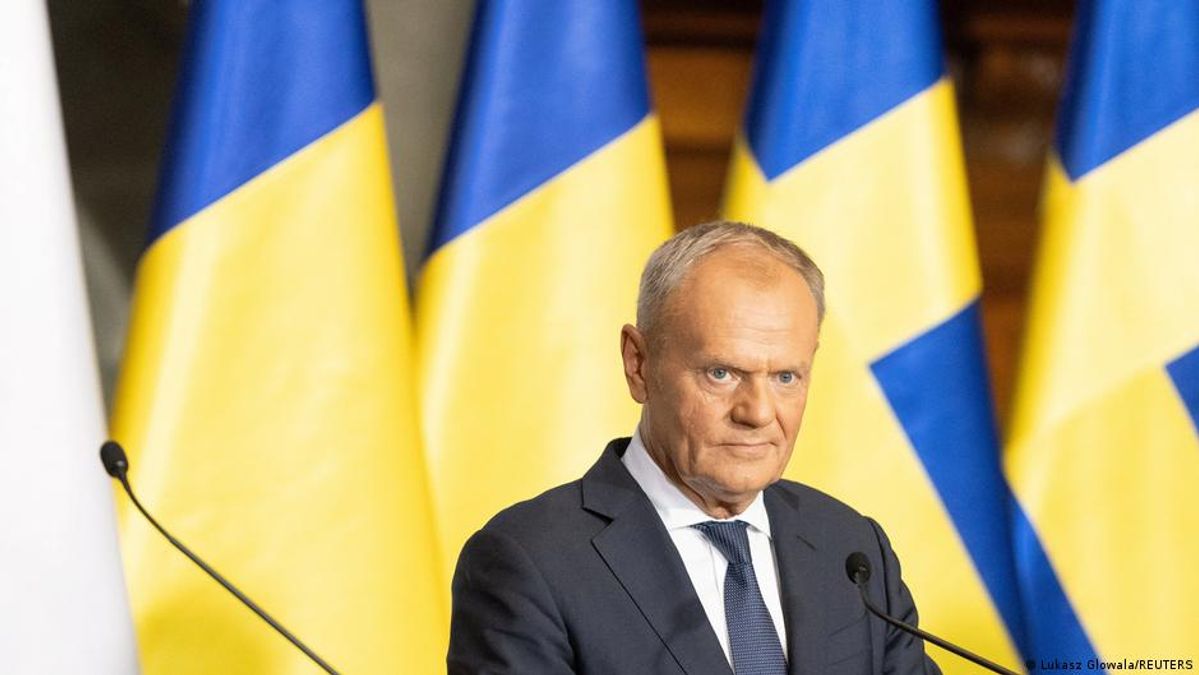
Polish Prime Minister Donald Tusk has spoken out against the growing anti-Ukrainian violence in Poland, condemning the attacks as a threat to the country's international reputation. The comments come after a series of incidents, including a brutal assault on a young Ukrainian couple in Wroclaw, which was captured on cellphone video. The attack, which left the woman with injuries to her neck and ear, was reportedly sparked by the couple's Ukrainian accents.
The rise in anti-Ukrainian sentiment in Poland is closely tied to the country's complex historical relationship with Ukraine. The recent decision by Ukrainian President Volodymyr Zelenskyy to award a special unit of the Ukrainian army the honorary title of "Heroes of the UPA" has sparked outrage in Poland, where the Ukrainian Insurgent Army (UPA) is held responsible for the mass murder of tens of thousands of Polish civilians during World War II. This historical grievance has been seized upon by Polish opposition politicians, who have demanded that all military aid to Ukraine be stopped until Kyiv backs down in the row over the interpretation of history.
The victims of the growing anti-Ukrainian violence in Poland are not just the individuals who have been physically attacked, but also the wider Ukrainian refugee community. Many Ukrainians who have fled to Poland to escape the war have found themselves facing verbal and physical abuse, with some even being told to "speak less Ukrainian" in public as a precaution. The Polish police have recorded 180 hate crimes against Ukrainians in the first six months of this year, a third more than in 2025. The atmosphere of hostility has left many Ukrainians feeling unwelcome and vulnerable, with some even advising their fellow countrymen to avoid conflict and to be careful while in Poland.
What is being downplayed in the official statements is the extent to which the Polish government's own actions have contributed to the rise in anti-Ukrainian sentiment. The decision by President Karol Nawrocki to revoke the award of Poland's highest order to his Ukrainian counterpart has been seen as a provocative gesture, which has helped to fuel the growing tensions between the two countries. Additionally, the Polish opposition's demands that all military aid to Ukraine be stopped have been widely reported, but the potential consequences of such a move for the Ukrainian people have been largely ignored.
As the situation in Poland continues to deteriorate, it is essential to watch for signs of further escalation. The Polish government's commitment to supplying weapons to Ukraine will be a key indicator of its resolve to support its neighbor, despite the growing opposition from within. Meanwhile, the Ukrainian government will need to navigate the complex historical grievances that are driving the current tensions, while also ensuring the safety and security of its citizens in Poland. The international community will also need to pay close attention to the situation, as the conflict in Ukraine continues to have far-reaching consequences for regional stability and global security.
Editor's Note: The analysis is based on publicly available information and may not reflect the full complexity of the situation on the ground.
Source referenced: DW
This brief was synthesized by our Editorial Engine and reviewed by The Ground Narrative team.


