TRENDING

Saturday, 19 September 2026
----------------------
8 Rabi' Al-Thani 1448 AH
Arab Americans in Michigan are centering Palestine in their electoral choices, forcing a shift in US politics. The community's decision to withhold support from Democrats in 2024 has significant implications for the future of US foreign policy. As the election season returns to Michigan, Arab Americans are rallying behind progressive candidates who prioritize Palestinian rights.
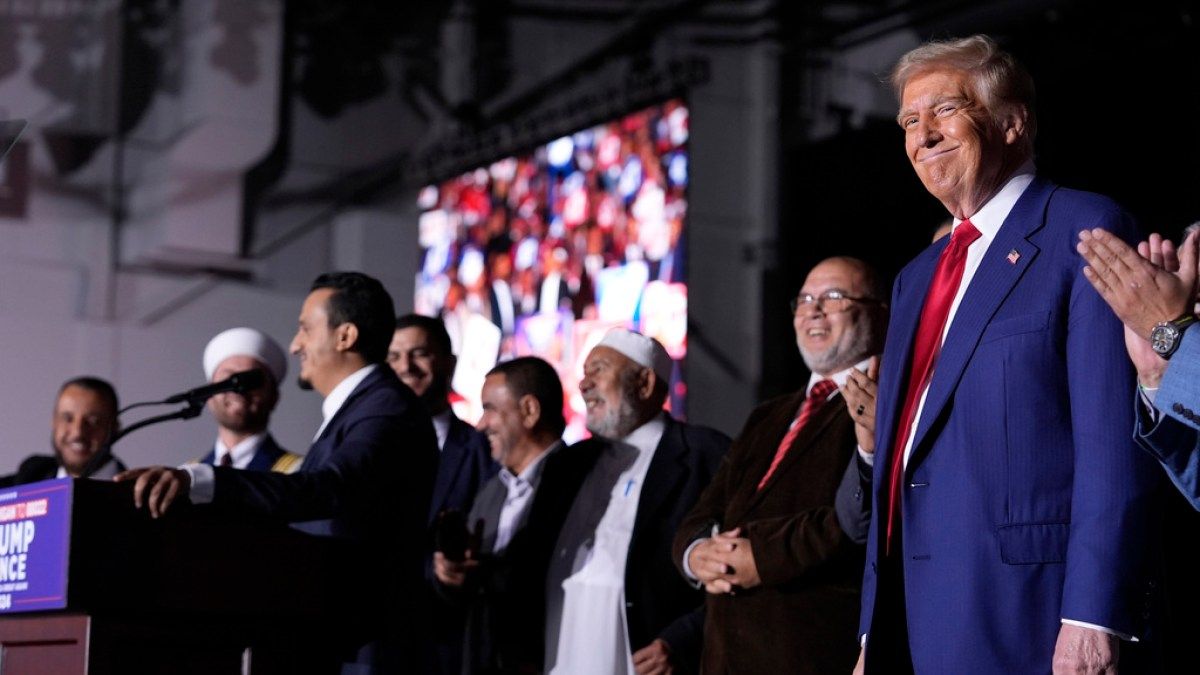
The 2024 US presidential election marked a significant shift in the voting patterns of Arab Americans in Michigan. Many community members, disillusioned with the Democratic Party's stance on Palestine, chose to either vote for Donald Trump or withhold their support from the party. This decision was largely driven by the Democratic Party's failure to address the Israeli-Palestinian conflict and its continued support for Israel's military actions in Gaza.
The structural forces at play in this scenario are complex and multifaceted. The Israeli-Palestinian conflict has become a critical issue in US politics, with many Arab Americans prioritizing Palestinian rights over domestic policy concerns. The American Israel Public Affairs Committee (AIPAC) lobby group has significant influence over US foreign policy, and its efforts to shape the narrative around Israel have contributed to the polarization of the issue. Meanwhile, the Republican Party's attempts to court Arab and Muslim voters have been undermined by its own Islamophobic and racist tendencies.
The human cost of the Israeli-Palestinian conflict is staggering, with tens of thousands of Palestinians killed or displaced in recent years. Arab Americans, who have family ties to the region, are deeply affected by these events and are increasingly demanding that US politicians take a stronger stance against Israeli aggression. The community's decision to prioritize Palestinian rights has significant implications for US foreign policy and highlights the need for a more nuanced and equitable approach to the conflict.
What is often downplayed or omitted in discussions of the Israeli-Palestinian conflict is the role of US military aid in perpetuating the violence. The US provides significant financial and military support to Israel, which is used to maintain its occupation of Palestinian territories and to launch military operations in Gaza. This support is a major factor in the ongoing conflict and is a key issue for Arab Americans, who are increasingly demanding that US politicians take a stronger stance against Israeli aggression.
As the election season returns to Michigan, Arab Americans will be closely watching the candidates' stances on Palestine and Israel. The community's support for progressive candidates who prioritize Palestinian rights will be a critical factor in the upcoming elections. Meanwhile, the Republican Party's attempts to court Arab and Muslim voters will be closely scrutinized, and its Islamophobic and racist tendencies will likely undermine its efforts. The outcome of these elections will have significant implications for US foreign policy and the future of the Israeli-Palestinian conflict.
Editor's Note: The analysis is based on publicly available information and may not reflect the full complexity of the issue.
Source referenced: ALJAZEERA
This brief was synthesized by our Editorial Engine and reviewed by The Ground Narrative team.