TRENDING

Saturday, 12 September 2026
----------------------
1 Rabi' Al-Thani 1448 AH
An oil spill off Oman's coast, attributed to a suspected Russian 'ghost ship,' threatens a vital nature reserve and exposes the hidden environmental costs of global sanctions evasion.
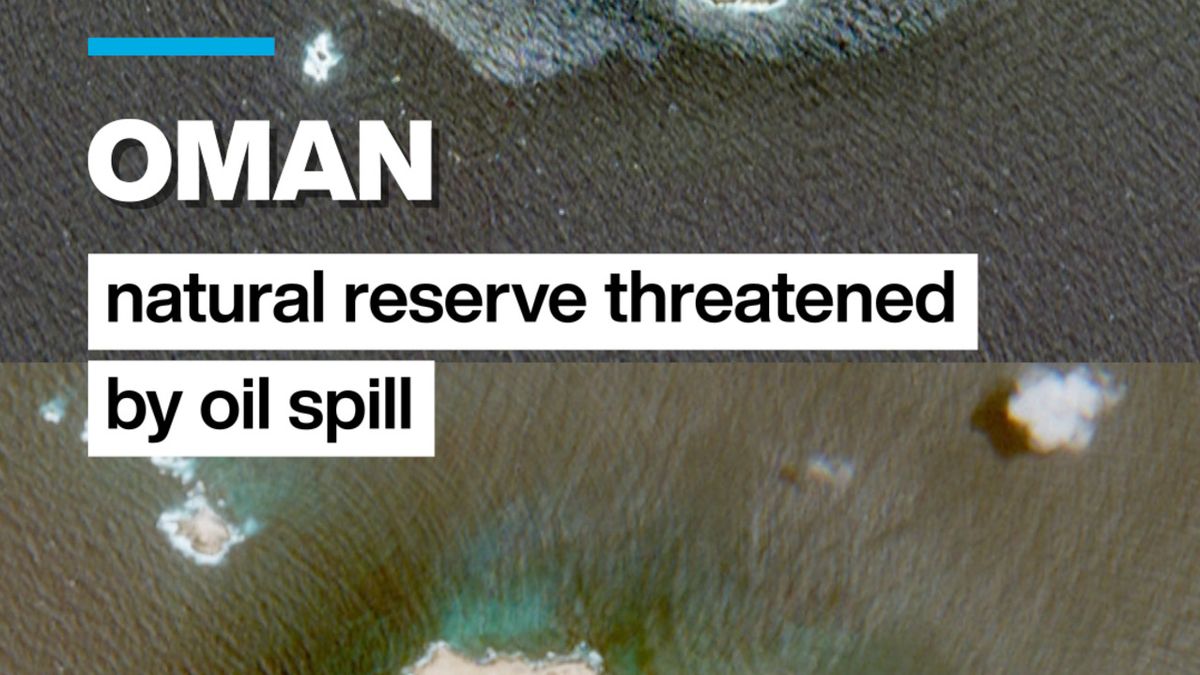
An oil spill has occurred off the coast of Oman, posing a direct threat to a pristine nature reserve. The leak is believed to have originated from a suspected Russian 'ghost ship,' following unexplained explosions on board. The incident highlights the growing environmental risks associated with unregulated maritime activities in critical global waterways.
The concept of a 'ghost ship' is central to understanding this incident. These vessels operate outside conventional maritime regulations, often using flags of convenience, switching off transponders, and obscuring their ownership to evade international sanctions, primarily those targeting Russian oil exports. For powerful states like Russia, the shadow fleet offers a crucial mechanism to maintain economic lifelines despite Western pressure, allowing them to sell oil at competitive prices to buyers willing to overlook its origin. The economic incentives are immense: the profits from illicit trade often far outweigh the potential penalties or environmental risks for operators. Oman, strategically located near the Strait of Hormuz, finds itself caught in the crossfire of this global economic maneuvering. While officially neutral, its waters become a potential casualty zone for the unintended consequences of this shadow economy, making accountability difficult to enforce against actors who deliberately operate in the dark.
The immediate and long-term human cost of this spill will be borne by the ordinary citizens of Oman. Coastal communities, particularly those reliant on fishing and tourism, face devastating economic losses as marine ecosystems are contaminated. Fishermen's livelihoods are directly threatened, and the health of local populations could be impacted by polluted waters and seafood. Beyond the immediate economic toll, the destruction of a nature reserve represents an irreplaceable loss of biodiversity and natural heritage, affecting future generations. These communities have no say in the geopolitical machinations that drive the shadow fleet, yet they are the ones who pay the tangible price for decisions made in distant capitals and boardrooms, left to grapple with the environmental fallout and the frustration of a seemingly unidentifiable culprit.
What powerful actors consistently downplay or omit is the true scale and systemic nature of the global shadow fleet. While individual incidents like this spill are reported, the broader network of vessels, insurers, financiers, and flag states that facilitate sanctions evasion remains largely unaddressed by international bodies and governments. The 'explosions' mentioned in the reporting are also a convenient ambiguity; their unknown source allows for plausible deniability, preventing direct blame and accountability. Furthermore, the environmental and human externalities of sanctions — pushing trade into unregulated, high-risk channels — are rarely factored into the cost-benefit analyses of geopolitical strategies. The narrative often focuses on the effectiveness of sanctions against target states, while the collateral damage to neutral territories and the global environment is externalized and left for local populations to manage.
Watch for the intensity and scope of any official Omani investigation into the spill. Will Oman be able to identify and hold accountable the true owners and operators of the 'ghost ship,' or will the trail go cold in the labyrinth of shell companies and flags of convenience? Furthermore, observe whether this incident spurs any renewed international efforts to tighten maritime regulations and crack down on shadow fleets, or if it remains an isolated, albeit tragic, event. The long-term environmental recovery of the nature reserve will also be a critical indicator of the spill's true impact. Finally, consider how this incident might subtly influence Oman's geopolitical stance, particularly concerning its engagement with major powers and its ongoing efforts to maintain stability in a volatile region adjacent to the world's most critical oil chokepoint.
Source referenced: FRANCE24
This brief was synthesized by our Editorial Engine and reviewed by The Ground Narrative team.


