TRENDING

Saturday, 12 September 2026
----------------------
1 Rabi' Al-Thani 1448 AH
Nigerian returnees are struggling to rebuild their lives after fleeing xenophobic violence in South Africa, while governments downplay the severity of the crisis. The human cost of xenophobia is mounting, with thousands displaced and traumatized. As diplomatic tensions simmer, what's next for these African powerhouses?
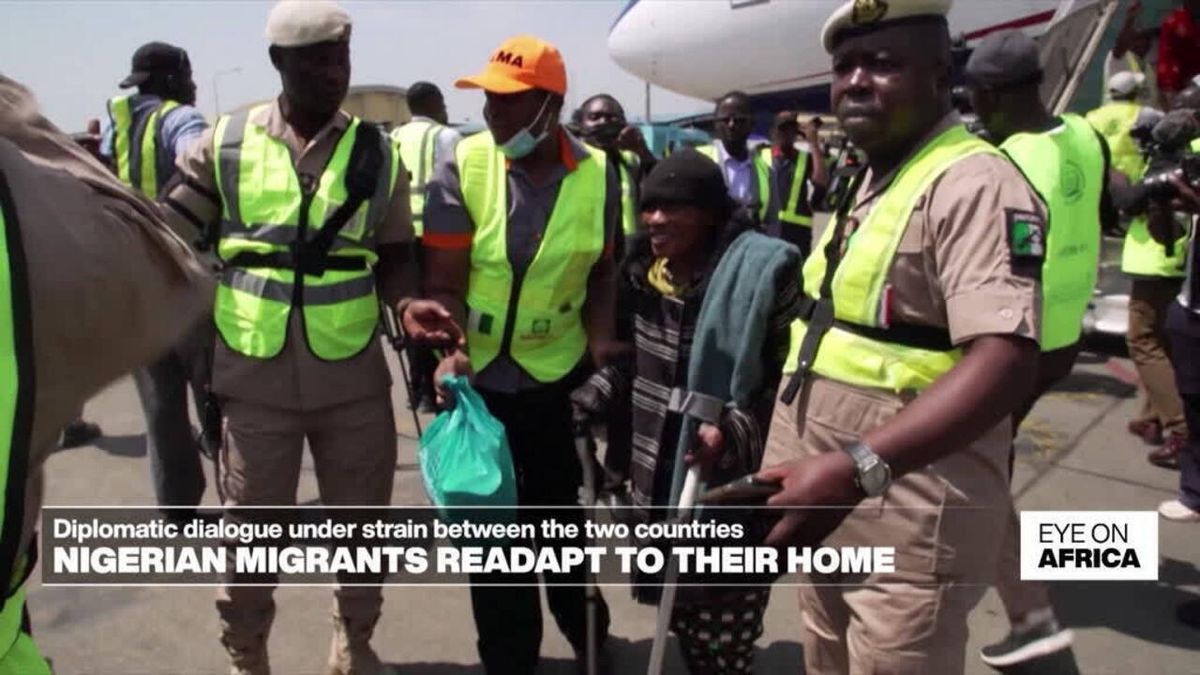
In recent months, South Africa has been plagued by xenophobic protests, targeting Nigerian nationals among others. The violence has led to a significant number of Nigerians returning to their home country, attempting to rebuild their lives after experiencing trauma. This exodus has strained diplomatic relations between Nigeria and South Africa, two of Africa's most influential nations.
The underlying causes of xenophobia in South Africa are complex, involving economic, social, and historical factors. Economic competition for jobs and resources, coupled with social tensions fueled by misinformation and prejudice, have created a volatile environment. The South African government's response to these protests has been criticized for being inadequate, with some arguing that it has emboldened further violence. Meanwhile, the Nigerian government has been under pressure to protect its citizens abroad, leading to a diplomatic standoff between the two countries.
The human cost of xenophobia is often overlooked in political discussions. Thousands of Nigerians have been displaced, injured, or killed in these attacks. Those who have returned to Nigeria face significant challenges in readjusting to life, including psychological trauma, loss of livelihood, and social stigma. The long-term effects of such experiences can be devastating, affecting not only the individuals but also their families and communities.
What is often downplayed in official statements is the role of economic inequality and lack of opportunities in fueling xenophobia. Both the South African and Nigerian governments have been criticized for not addressing the root causes of these tensions, instead opting for short-term political gains. The international community has also been relatively silent on the issue, preferring to focus on other geopolitical crises. This silence perpetuates the problem, allowing xenophobic sentiments to spread unchecked.
As the situation continues to unfold, several factors will be crucial in determining the future of Nigeria-South Africa relations and the fate of those affected by xenophobia. Diplomatic efforts to ease tensions and economic initiatives to address inequality could play a significant role in preventing further violence. Additionally, international pressure on both governments to protect human rights and promote tolerance could be a decisive factor. The ability of Nigerian returnees to reintegrate into their communities and the South African government's response to internal and external criticism will also be key indicators of progress or regression.
Editor's Note: The analysis is based on publicly available information and may not reflect the full complexity of the situation on the ground.
Source referenced: FRANCE24
This brief was synthesized by our Editorial Engine and reviewed by The Ground Narrative team.


