TRENDING

Thursday, 17 September 2026
----------------------
6 Rabi' Al-Thani 1448 AH
A bomb attack in central Moscow leaves three dead and many injured, bringing the harsh realities of conflict to the capital's doorstep. The incident challenges the state's narrative of stability and raises questions about internal security.
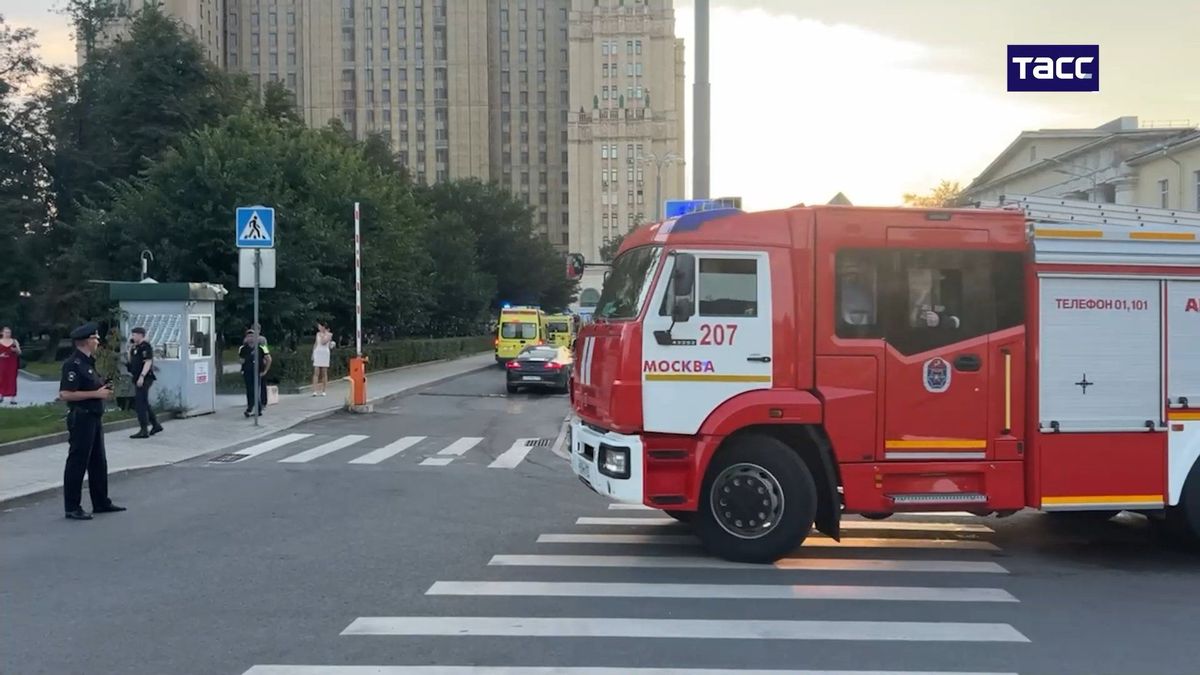
At least three people, including the individual identified as the bomber, have died and more than 20 were injured after an explosive device detonated outside a restaurant in central Moscow. Russian authorities reported that a security guard intercepted a woman carrying the device, leading to its explosion. The immediate target and full motivations remain officially unclear.
This attack, occurring in the heart of Russia's capital, directly challenges the Kremlin's carefully cultivated image of domestic stability and security, especially amidst its ongoing military engagements. For a state that has consistently projected an image of firm control and the successful containment of threats, an incident of this nature in a high-profile urban area is a significant breach. The power mechanics at play are multi-layered: The Russian government's primary contract with its citizens is the provision of order and safety, a contract that becomes particularly salient during periods of external conflict. An attack on home soil, regardless of its origin, compels the state to demonstrate decisive action, often leading to intensified security measures, increased surveillance, and a reinforced narrative of an existential threat requiring national unity. This incident serves to blur the lines between external conflict and internal security, potentially allowing the state to justify broader actions, both domestically and abroad, under the banner of counter-terrorism.
The most immediate and profound human cost falls upon the ordinary citizens caught in the blast. People enjoying a routine evening out, going about their daily lives, suddenly become casualties in a conflict they may feel far removed from. Beyond the tragic loss of life and physical injuries, there is a pervasive psychological toll. For Muscovites, this attack erodes the sense of normalcy and invulnerability, injecting fear and uncertainty into everyday spaces. It reminds them that the consequences of geopolitical struggles, often depicted as distant affairs, can arrive without warning at their doorstep. Families of the victims bear an irreparable loss, while the wider community experiences a collective sense of vulnerability, prompting questions about the efficacy of state security and the true extent of threats facing the nation.
What powerful actors are downplaying or omitting? Firstly, the ambiguity surrounding the bomber's identity and specific motivations allows for a vacuum that the state can fill with its preferred narrative. While Russian authorities quickly pointed to a 'female bomber,' the deeper context of her radicalization, recruitment, or grievances is often glossed over, reducing a complex human story to a mere operational detail. Secondly, any potential security lapses that allowed an explosive device to reach a central Moscow location will undoubtedly be minimized. Acknowledging such failures would undermine the state's image of omnipotence and control. Finally, the attack's potential links to broader ongoing conflicts (such as the war in Ukraine, or historical tensions with separatist movements) will be framed in a way that serves the state's strategic objectives – either to rally nationalist sentiment, justify retaliatory actions, or demonize perceived external enemies, rather than engaging with the complex, often internal, drivers of such violence.
Moving forward, several key indicators will reveal the deeper implications of this attack. Firstly, watch for the official attribution of blame. How quickly and definitively does the Kremlin assign responsibility, and to whom? This will signal its strategic intent. Secondly, observe the immediate security response: will there be a significant increase in policing, surveillance, and potentially a crackdown on perceived dissent or 'extremist' elements? Thirdly, monitor public reaction, particularly in Moscow. Does the incident foster a sense of unity behind the government, or does it spark deeper questions about security and the costs of ongoing conflicts? Finally, keep an eye on any potential retaliatory actions, either domestically or against external targets, that the Kremlin might justify by invoking this attack. The blast in Moscow is not just a security incident; it's a political event that will be leveraged to shape narratives and policy in the coming weeks and months.
Source referenced: ALJAZEERA
This brief was synthesized by our Editorial Engine and reviewed by The Ground Narrative team.


