TRENDING

Saturday, 19 September 2026
----------------------
8 Rabi' Al-Thani 1448 AH
Mohamed Salah's high-profile transfer to Trabzonspor is more than just a sports story. It reflects Turkey's strategic use of cultural influence and economic soft power on the global stage, with implications for its regional standing.
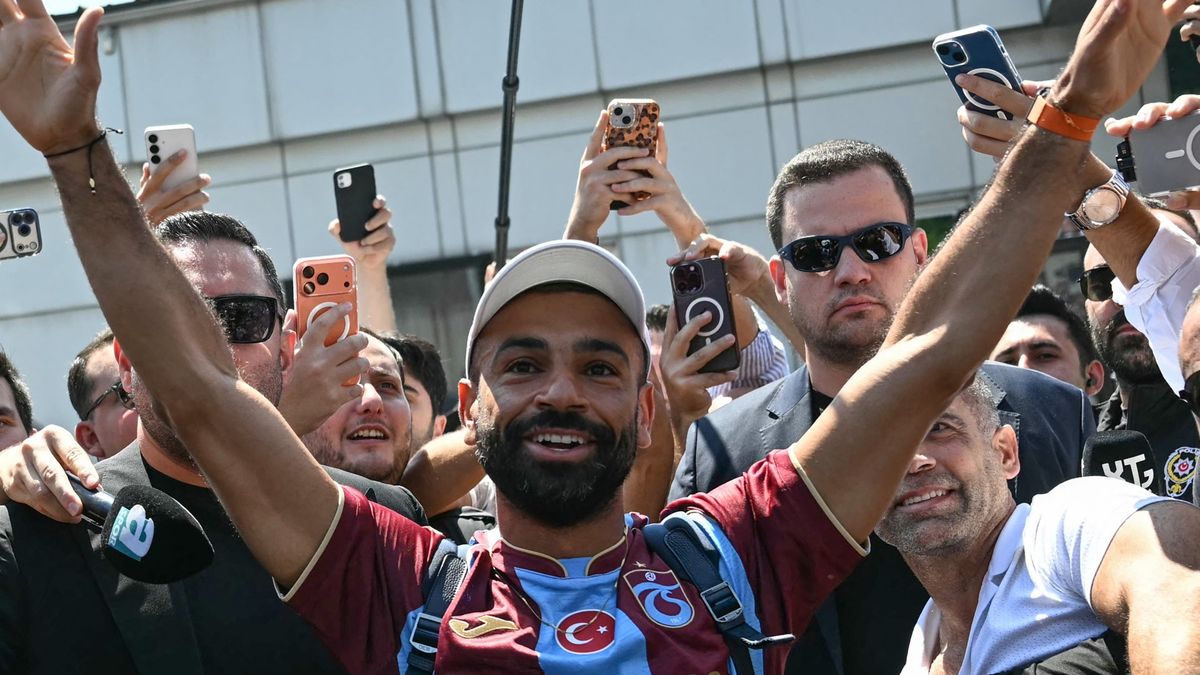
Egyptian football icon Mohamed Salah has completed a high-profile move to Turkish Süper Lig club Trabzonspor, arriving to a jubilant reception from hundreds of fans at Istanbul Ataturk Airport. The 34-year-old forward, who departed Liverpool at the end of last season, is expected to sign a free transfer deal, joining one of Turkey's most historically significant clubs outside the traditional Istanbul giants. His arrival marks a significant moment for Turkish football and, more broadly, for Turkey's ambitions on the international stage.
This transfer, seemingly a purely sporting event, operates within a larger framework of Turkish power projection. For Ankara, securing a player of Salah's stature, a revered figure across the Arab and Muslim world, is a potent exercise in soft power. It enhances Turkey's cultural appeal and influence, particularly in regions where it seeks to expand its diplomatic and economic footprint, such as the Middle East and North Africa. By attracting a global superstar, Turkey signals a perceived stability and vibrancy, challenging narratives of economic fragility or political isolation. It's a demonstration that Turkey can compete with Europe's top leagues for talent, bolstering its image as a modern, attractive destination. Furthermore, for a club like Trabzonspor, located on the Black Sea coast and outside the traditional Istanbul powerhouses, this signing can be leveraged to foster a sense of national unity and regional pride, aligning local sporting success with broader national aspirations.
While the cheers for Salah are undeniably genuine, the human cost often lies in the unasked questions about resource allocation. The significant financial outlay for Salah's wages, even on a free transfer, represents a substantial investment in a single individual. For ordinary Turkish citizens grappling with persistent inflation and economic uncertainty, such expenditures can highlight a disconnect between the spectacle of high-profile sports and their daily struggles. The immense pressure placed upon Salah, not just as a player but as a symbol of national and regional ambition, also constitutes a human burden. His performance will be scrutinized not only for its sporting merit but for its perceived contribution to Turkey's global narrative, placing an extraordinary weight on one athlete's shoulders. The focus on a star player can also subtly divert public attention from more systemic economic or social challenges.
What official statements and club announcements often omit is the implicit, and sometimes explicit, role of the state in facilitating such high-profile deals. In Turkey, the lines between major football clubs and political power structures are often blurred. Government figures frequently have close ties to club leadership, and major transfers can receive behind-the-scenes support or encouragement from Ankara, keen to leverage the positive publicity. This allows the government to reap the benefits of enhanced national prestige and soft power without direct attribution, presenting it as a purely private sporting endeavor. Moreover, the narrative of a thriving Turkish league capable of attracting global talent can serve as a convenient facade, downplaying the underlying economic vulnerabilities that continue to challenge the nation. The specific financial mechanisms and guarantees involved in such a deal, which might not always be transparent, are rarely discussed publicly.
Readers should watch how Salah's presence is integrated into Turkey's broader public diplomacy and state-sponsored media narratives. His image, performances, and any public statements will likely be amplified to project Turkish influence and appeal. Observe whether this transfer initiates a trend of other high-profile players moving to Turkey, further solidifying its position as a regional sports and cultural hub. Economically, monitor any claimed boosts in tourism, merchandise sales, or international media rights, and critically assess these against Turkey's overall economic trajectory. Finally, pay attention to the reception of this transfer in Salah's native Egypt and across the Arab world, as it will offer insights into the effectiveness of Turkey's soft power strategy in a region where it seeks to expand its influence.
Source referenced: ALJAZEERA
This brief was synthesized by our Editorial Engine and reviewed by The Ground Narrative team.


