TRENDING

Wednesday, 4 November 2026
----------------------
24 Jumada Al-Awwal 1448 AH
A US House committee probes the diversion of a stealth‑laden F‑35 canopy from Australia to Hong Kong, exposing gaps in the Pentagon’s supply chain. The scramble to retrieve the component highlights who benefits, who bears the cost, and what power players are keeping quiet.
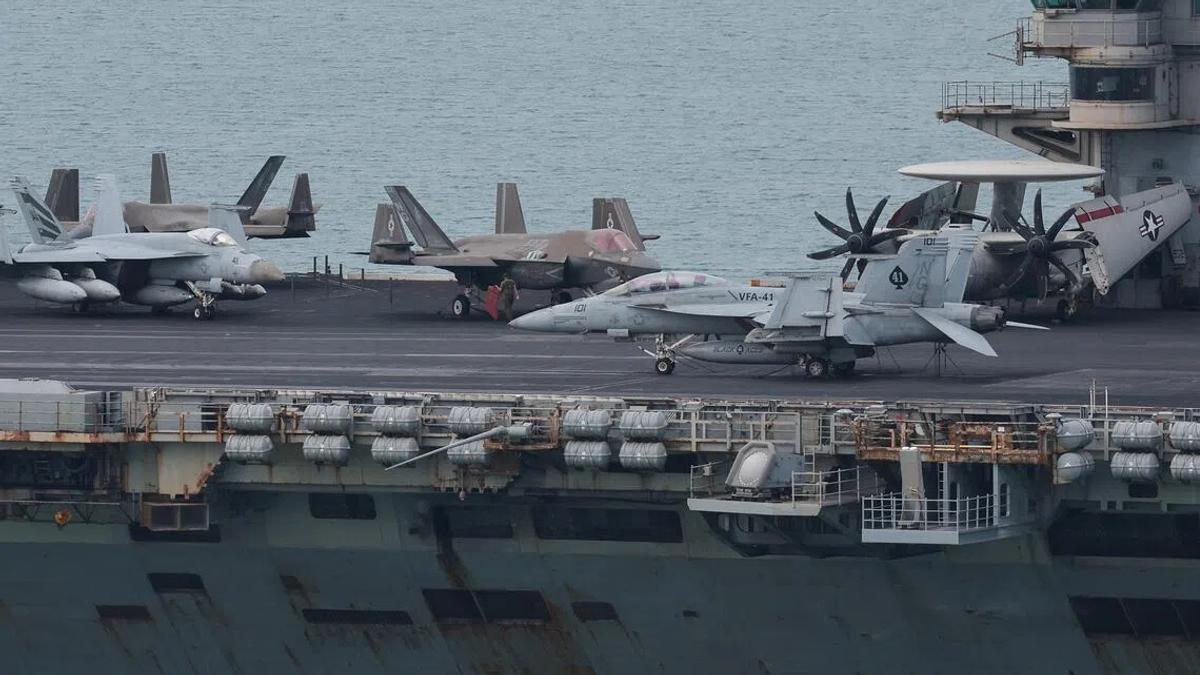
A US House Armed Services Committee has opened an investigation into a 2026 shipment of unserviceable F‑35 parts that was rerouted from Australia to Hong Kong. The cargo, which included a cockpit canopy embedded with stealth‑masking technology, was meant for US repair facilities but vanished en route, prompting the Pentagon and Lockheed Martin to launch a retrieval effort while keeping details under wraps.
The incident sits at the intersection of three structural forces. First, the F‑35 supply chain is a sprawling, multinational web anchored in Australia, the Pentagon’s primary Indo‑Pacific hub, and a network of commercial shippers that Lockheed Martin contracts. Persistent “material weakness” findings in Pentagon inventory accounting mean the military often lacks real‑time visibility into where critical components travel.
Second, political survival drives congressional oversight. With defense spending at historic highs, lawmakers use supply‑chain scandals to extract budgetary concessions or to signal competence to constituents wary of waste. The House committee’s swift move reflects a broader push to tighten oversight ahead of the next defense authorization cycle.
Third, the geopolitical calculus of the United States and China frames the episode. Hong Kong, now under Beijing’s national security law, is a potential foothold for Chinese intelligence to acquire a piece of the world’s most advanced stealth fighter. Even a single canopy can yield valuable data for reverse‑engineering efforts, a prospect that amplifies the strategic stakes far beyond a routine logistics glitch.
While diplomats and defense contractors debate inventory protocols, the fallout lands on ordinary workers and taxpayers. Australian base technicians who maintain allied F‑35 fleets see their jobs jeopardized by heightened security checks that could slow repairs and increase downtime for partner air forces. In Hong Kong, dockworkers and logistics staff face intensified scrutiny and possible legal exposure if authorities deem the cargo a breach of export controls.
Allied pilots—Australia, Japan, South Korea, and others—risk reduced aircraft availability, which can translate into fewer training flights and delayed operational readiness. Ultimately, the American taxpayer shoulders the cost of any additional security measures, investigations, and potential redesigns required to plug the supply‑chain loophole.
Official statements from the Pentagon and Lockheed Martin stress “diligence” and “security,” yet they omit a frank admission of systemic inventory blind spots that have persisted for six consecutive years. What receives less attention is China’s possible gain: a stealth canopy, even if damaged, can be dissected for material composition, coating techniques, and radar‑absorbent structures.
Equally underplayed is the political leverage the United States may extract from the episode. By framing the diversion as a singular mishap, Washington can avoid broader questions about the vulnerability of its allied supply hubs and the adequacy of export‑control enforcement in semi‑autonomous regions like Hong Kong.
Watch for three developments. First, the upcoming congressional briefing scheduled for late September will likely produce a report that could trigger tighter export‑control regulations and a mandate for a unified, real‑time inventory tracking system across all F‑35 partners.
Second, monitor China’s diplomatic response. A muted reaction could signal confidence in having obtained useful intelligence; a vocal protest might indicate concerns about escalation and could be used to justify tighter security measures in Hong Kong.
Third, observe how Lockheed Martin adjusts its logistics model. A shift toward government‑run, end‑to‑end shipping or the adoption of blockchain‑based tracking could reshape the broader defense‑industry supply chain, affecting not just the F‑35 but future joint‑development programs.
By keeping an eye on these threads, readers can gauge whether this misrouted canopy becomes a catalyst for systemic reform or simply another footnote in the ongoing contest over advanced military technology.
Editor's Note: All facts are drawn from the provided source; details about the exact part condition remain undisclosed.
Source referenced: STRAITSTIMES
This brief was synthesized by our Editorial Engine and reviewed by The Ground Narrative team.