TRENDING

Friday, 18 September 2026
----------------------
7 Rabi' Al-Thani 1448 AH
As Saudi Arabia accuses the Houthis of aiming missiles at Islam's holiest city, the rebel leader publicly denies the claim and pledges to defend Mecca, exposing a clash of narratives that could reshape the conflict’s next phase.
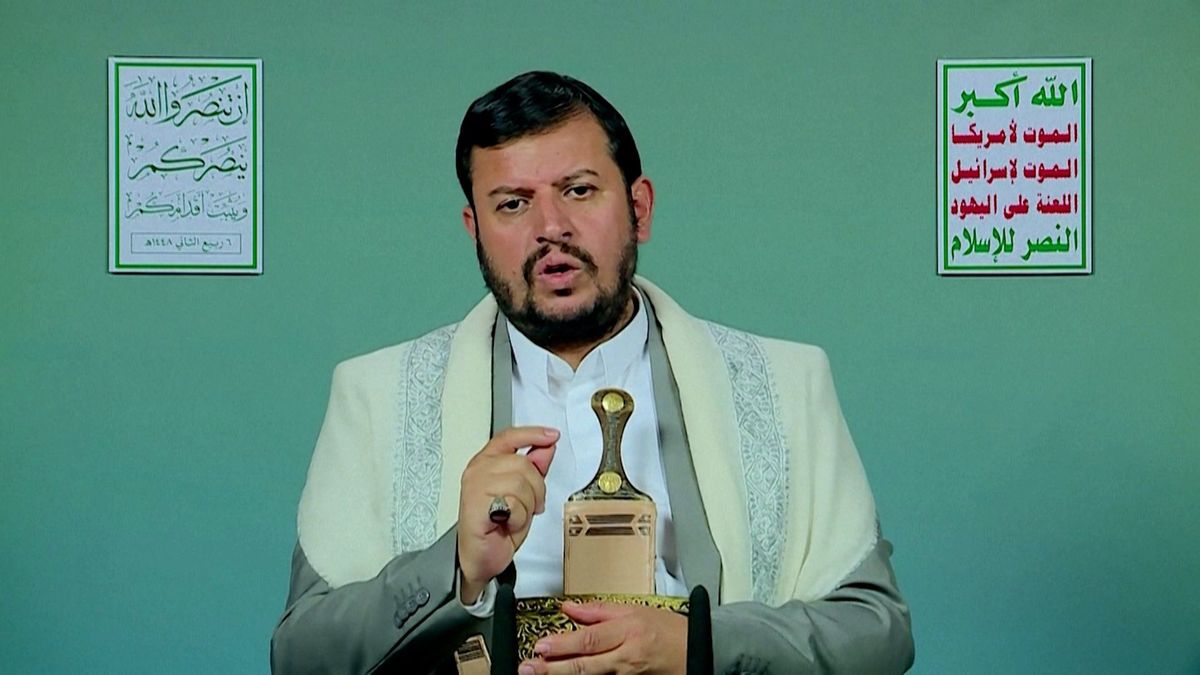
On 17 September 2026, Houthi leader Abdul Malik al‑Houthi used social media to reject Saudi Arabia’s allegation that his forces attempted to strike Mecca. He vowed to protect the holy city and other Islamic sites, framing the claim as a Saudi ploy to justify further military pressure.
The exchange is less about a single missile and more about the strategic calculus of two adversaries locked in a proxy war. Saudi Arabia seeks to portray the Houthis as a threat to the sanctity of the Hajj, leveraging religious sentiment to rally domestic support and legitise a hardening of its air campaign. A narrative of defending Mecca also cushions the kingdom’s leadership from criticism over civilian casualties in Yemen, shifting blame onto an external enemy.
For the Houthis, denying any intent to hit Mecca serves multiple purposes. First, it preserves their claim to be defenders of Islam, a core component of their legitimacy among Yemen’s Shia population and broader Muslim audiences. Second, it avoids alienating potential regional backers—particularly Iran—who risk diplomatic fallout if the Houthis are seen as endangering the most sacred Islamic site. Finally, the denial buys political space to continue missile and drone strikes on Saudi infrastructure without crossing a red line that could trigger a decisive coalition response.
Both sides are also responding to external pressures. The United States, still supplying intelligence and logistical support to the Saudi-led coalition, watches the rhetoric closely; an attack on Mecca could force Washington to reconsider its involvement. Meanwhile, Iran’s patronage of the Houthis is calibrated; Tehran benefits from a destabilised Saudi front but must balance that against the risk of international isolation if the conflict escalates into a religious flashpoint.
While leaders trade accusations, ordinary people bear the brunt. Pilgrims preparing for the Hajj face heightened anxiety, with travel agencies warning of possible flight disruptions and heightened security checks. In Saudi cities near Mecca, residents endure curfews, increased checkpoints, and the psychological toll of living under a perceived missile threat.
In Yemen, the war’s civilian toll continues unabated. Houthi missile launches, even when aimed at Saudi targets, often trigger retaliatory airstrikes that destroy homes, schools, and clinics in the north‑west. The denial of a Mecca strike does little to ease the daily reality for families who have already lost loved ones to the conflict’s indiscriminate violence. Moreover, the rhetoric fuels sectarian polarization, pressuring Yemen’s Sunni minorities to align with the Saudi coalition out of fear of being labeled complicit in an attack on Islam’s holiest site.
Saudi officials have largely omitted the operational limitations of their own air defenses. While they claim to have intercepted Houthi missiles aimed at Mecca, the public record shows a pattern of missed interceptions and civilian casualties in nearby areas. By framing the narrative as a clear‑cut attack on a sacred site, the kingdom sidesteps scrutiny over the collateral damage caused by its own strikes.
The Houthis, for their part, downplay the logistical strain of sustaining a long‑range missile campaign. Their public denial masks internal debates about resource allocation, especially as Iranian shipments face increased sanctions pressure. Both sides also avoid discussing the economic dimension: the Hajj generates billions of dollars for Saudi Arabia; any threat to its safety could jeopardise that revenue stream, incentivising the kingdom to project a strong defensive posture regardless of the actual threat level.
Watch for a shift in Saudi air operations during the upcoming Hajj season. An escalation—whether real or symbolic—could manifest as expanded no‑fly zones, increased missile interceptors, or a broader coalition strike on Houthi launch sites in northern Yemen. Simultaneously, monitor Iranian diplomatic channels for any signal that Tehran may either amplify or restrain Houthi activity to avoid a direct confrontation with the Saudi crown.
Internationally, the United States’ stance will be pivotal. A public rebuke of any Houthi missile that truly threatens Mecca could prompt a re‑escalation of U.S. support for Saudi air defenses, while a muted response may embolden the Houthis to test the limits of their reach. Finally, the media narrative—whether Saudi or Houthi—will shape public opinion in the Gulf and beyond, influencing how future peace talks are framed.
In short, the Mecca debate is a proxy for deeper power struggles: religious legitimacy, regional rivalry, and the economics of pilgrimage. The outcome will be felt not only on the battlefield but in the lives of millions who travel to the holy city each year.
Source referenced: ALJAZEERA
This brief was synthesized by our Editorial Engine and reviewed by The Ground Narrative team.