TRENDING

Tuesday, 20 October 2026
----------------------
9 Jumada Al-Awwal 1448 AH
Libya's eastern parliament, backed by Khalifa Haftar, has approved a 2019 maritime deal with Turkiye, reversing its previous rejection and signalling a significant shift in regional alliances. This move reconfigures power dynamics in the Eastern Mediterranean and leaves ordinary Libyans grappling with continued uncertainty.
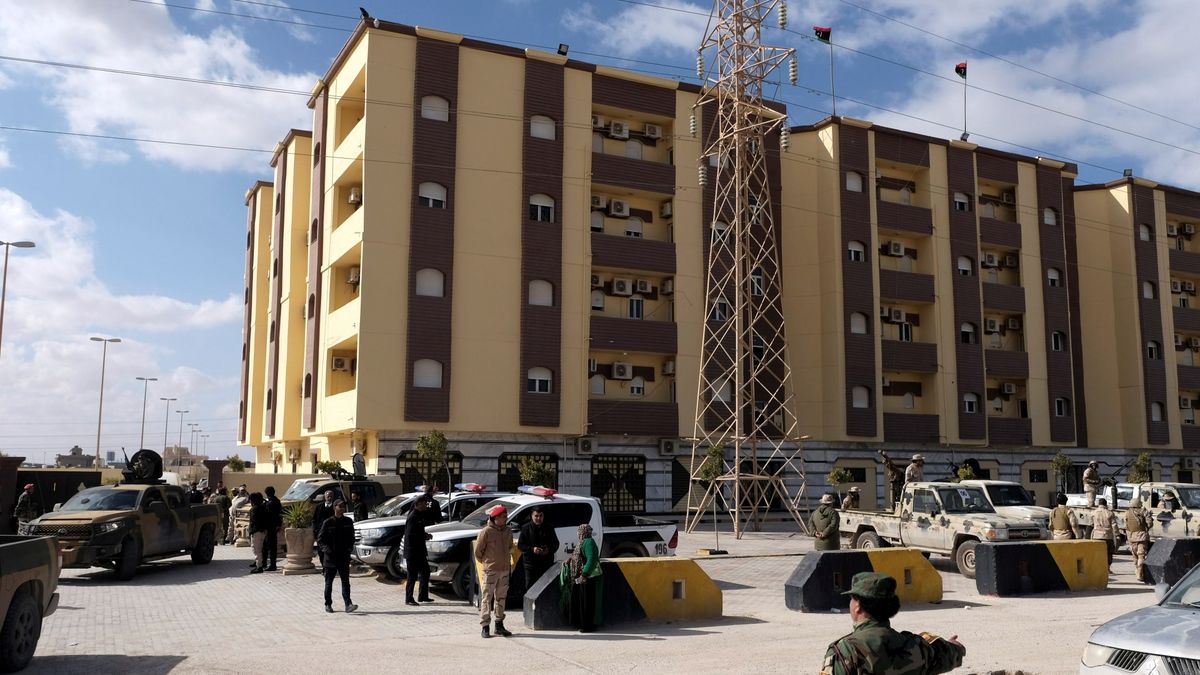
Libya's eastern-based parliament in Tobruk, aligned with military commander Khalifa Haftar, has officially approved the 2019 maritime delimitation agreement with Turkiye. This decision marks a dramatic reversal, as the same legislative body had unanimously rejected the deal and severed political ties with Ankara just six years prior, in 2020. The original memorandum of understanding, signed between Turkiye and the then-UN-recognised Government of National Accord (GNA) in Tripoli, delineates maritime boundaries in the Mediterranean Sea, a move that immediately triggered strong protests from Greece and Cyprus.
This approval by the eastern Libyan parliament is not merely a bureaucratic formality; it is a calculated strategic maneuver that reshapes the intricate power dynamics of the Eastern Mediterranean and Libya's internal conflict. For Turkiye, the engagement with Haftar's eastern administration represents a pragmatic hedging strategy. Having initially intervened militarily in 2019 to prevent Haftar's Libyan National Army (LNA) from overrunning Tripoli and the GNA, Ankara is now securing its long-term influence across the entirety of Libya, irrespective of which faction ultimately gains political dominance or if the country remains divided. This ensures Turkiye's access to potential hydrocarbon resources and strategic trade routes, solidifying its
The 2019 memorandum of understanding between Turkiye and Libya's then-UN-recognised Government of National Accord (GNA) delineated maritime boundaries in the Mediterranean Sea. This agreement sparked controversy as it created a maritime corridor between the two nations, cutting across areas claimed by Greece and Cyprus.
The approval by Khalifa Haftar's eastern-based parliament marks a strategic pivot for both parties. Turkiye aims to secure its long-term influence across all of Libya, while Haftar gains a powerful international partner, potentially bolstering his legitimacy and diversifying his foreign backing amidst Libya's ongoing political fragmentation.
The agreement reinforces Turkiye's claims in the Eastern Mediterranean, challenging established maritime boundaries and intensifying the competition for potential hydrocarbon resources. It is expected to draw strong protests from Greece and Cyprus and could lead to further geopolitical realignments among regional powers with stakes in Libya and the Mediterranean.
Source referenced: ALJAZEERA
This brief was synthesized by our Editorial Engine and reviewed by The Ground Narrative team.


