TRENDING

Thursday, 17 September 2026
----------------------
6 Rabi' Al-Thani 1448 AH
Kosovo has joined a US‑led Gaza stabilization force, a move tied to its quest for security guarantees from Washington and Israel’s diplomatic backing. The decision highlights how a fledgling state balances external debts against the human cost of distant conflicts.
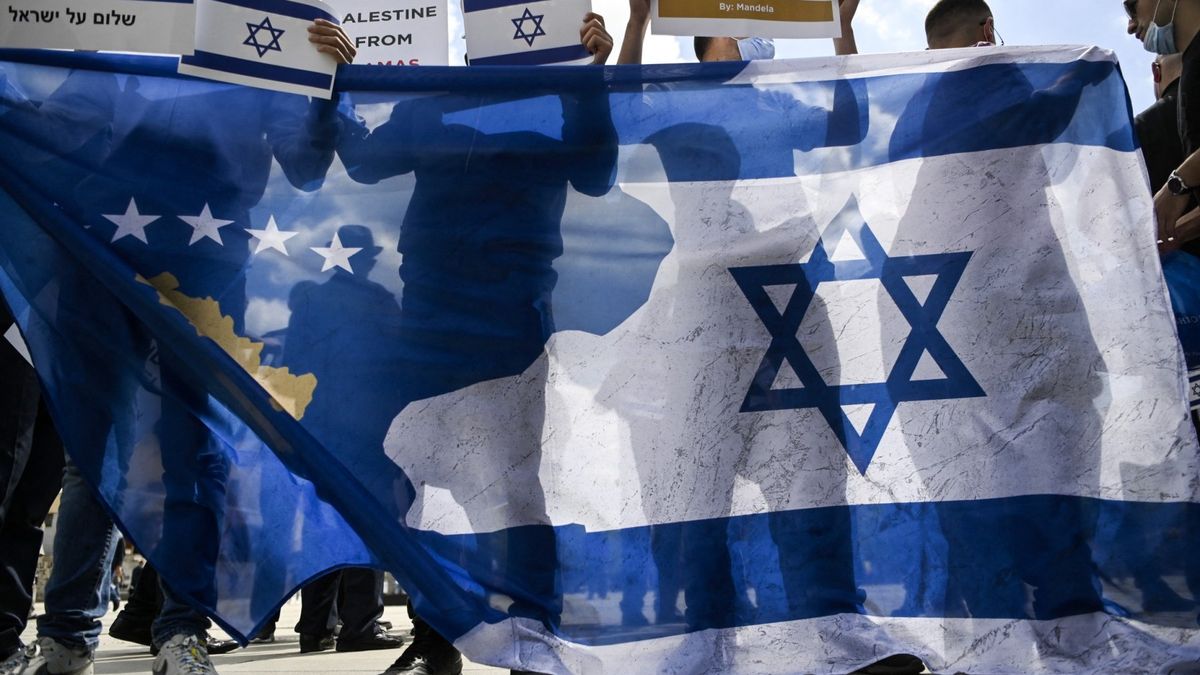
Kosovo announced its participation in the U.S.‑backed International Stabilisation Force for Gaza, after securing Israel’s approval. The move follows a series of diplomatic steps that began with Israel recognising Kosovo in 2021 and Kosovo opening an embassy in Jerusalem, aligning the Balkan state with Washington’s Middle‑East policy.
Kosovo’s foreign policy is still heavily conditioned by its dependence on U.S. security guarantees. After the 1999 NATO intervention, the young republic has relied on the alliance’s military presence (KFOR) and American political support to counter Serbian non‑recognition. Aligning with Israel serves two intertwined incentives:
1. Debt repayment to Washington – Kosovo’s leadership frames the Gaza role as a symbolic “thank‑you” for the U.S. that helped secure its independence.
2. Legitimacy through third‑party endorsement – Israel’s recognition gave Pristina a diplomatic precedent to counter arguments from other states with separatist concerns, showcasing that external validation can outweigh internal disputes.
The Trump‑era agreement to open a Jerusalem embassy cemented a reciprocal patron‑client relationship: Kosovo gains a high‑profile ally, while the U.S. expands its coalition of pro‑Israel states, especially among Muslim‑majority nations that can be showcased as supportive of Israeli policy.
The human toll of the Gaza conflict is far removed from Kosovo’s streets, yet the decision implicates several vulnerable groups:
- Palestinian civilians – Kosovo’s contribution, even if symbolic, lends legitimacy to a force operating in a war‑torn enclave where tens of thousands have already died.
- Kosovo’s own diaspora and refugees – The nation’s identity is built on the memory of displacement; aligning with a party accused of ethnic cleansing creates a moral dissonance for families who fled similar violence.
- Local Albanian communities – Public rallies in Pristina show a split: some celebrate the Israel partnership, while others protest the Gaza war, indicating social friction over foreign policy choices.
- Serbian minorities in Kosovo – Any move that deepens Kosovo’s ties to a Western bloc may heighten tensions with the Serbian population that already feels marginalized.
Official statements stress “humanitarian stability” in Gaza, but they downplay Kosovo’s strategic calculus. The narrative omits how the Gaza role offers Pristina a rare platform on the international stage, compensating for its lack of UN membership. Moreover, the U.S. lobby’s influence is rarely acknowledged; the decision is presented as a moral stance rather than a calculated bid for continued American protection. The broader regional power balance is also ignored: by siding with Israel, Kosovo distances itself from other Muslim‑majority states that might otherwise serve as alternative partners, narrowing its diplomatic options.
Watch for three developments:
1. U.S. policy shifts – If Washington’s Middle‑East stance changes under a new administration, Kosovo may need to renegotiate its security guarantees.
2. International reaction to the Gaza force – Legal challenges at the ICC or ICJ could force participating states, including Kosovo, to reassess their involvement.
3. Domestic political fallout – Growing civil society protests in Pristina could pressure the Kurti government to recalibrate its foreign alignments, especially if the Gaza situation escalates.
Understanding these dynamics reveals how a small, largely Muslim nation leverages external alliances to secure its own survival, even when the cost is borne by people far beyond its borders.
Editor's Note: Analysis based on publicly available statements and expert commentary; on‑the‑ground reactions may evolve.
Source referenced: ALJAZEERA
This brief was synthesized by our Editorial Engine and reviewed by The Ground Narrative team.


