TRENDING

Tuesday, 4 August 2026
----------------------
21 Safar 1448 AH
Kazakhstan has released the first Amur tiger into the wild in over 70 years, aiming to restore the extinct Caspian tiger to Central Asia through a joint project with Russia. This move has significant implications for regional biodiversity and international cooperation.
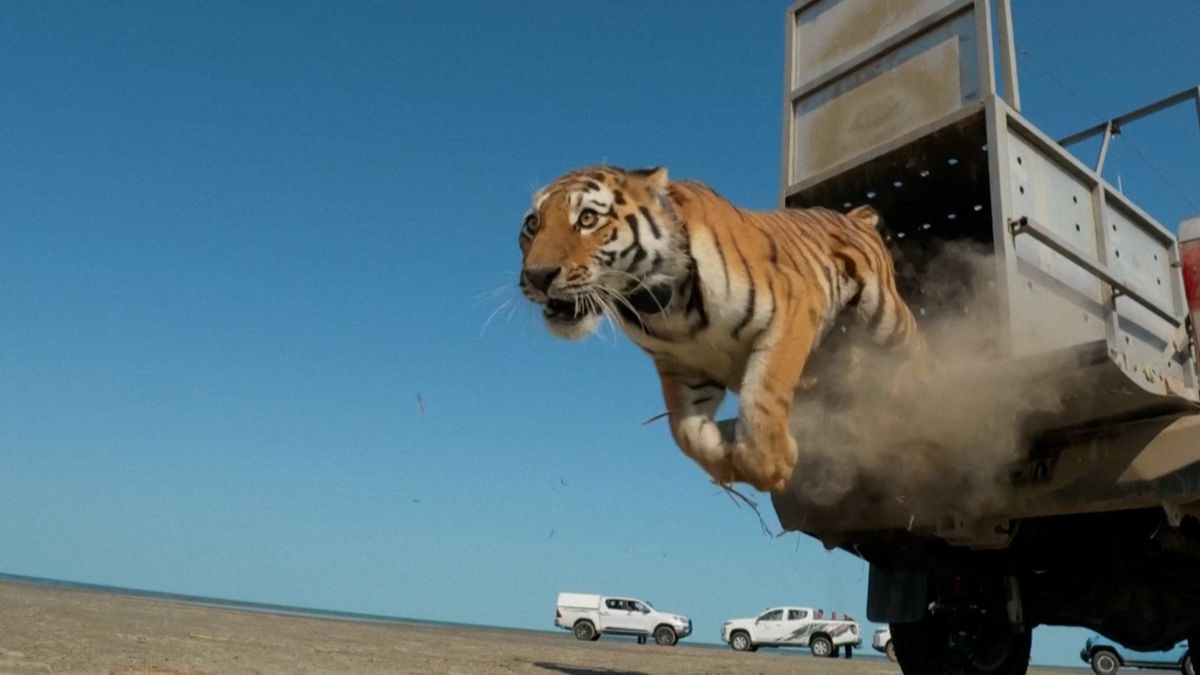
Kazakhstan has taken a significant step towards restoring its natural heritage by releasing the first Amur tiger into the wild in more than 70 years. This effort is part of a broader initiative to revive the extinct Caspian tiger in Central Asia, undertaken in collaboration with Russia under a Memorandum of Understanding (MoU) signed in 2022.
The restoration of the Amur tiger population in Kazakhstan is not just an environmental endeavor but also a strategic move that reflects the evolving geopolitical landscape of the region. Russia's involvement in this project highlights the country's interest in expanding its influence in Central Asia, leveraging environmental cooperation as a tool for fostering diplomatic ties and economic partnerships. Meanwhile, Kazakhstan's commitment to this project demonstrates its willingness to engage in international collaborations that can bolster its environmental credentials and attract foreign investment.
While the focus of the project is on the revival of a species, it is essential to consider the human dimension of this initiative. The success of the tiger restoration project could have positive impacts on local communities, such as creating jobs in conservation and eco-tourism, and enhancing the region's biodiversity, which is crucial for long-term ecological health. However, it could also lead to conflicts over land use and resources, particularly if the expansion of tiger habitats encroaches on areas used by local populations for agriculture or livestock.
What is less apparent in the narrative surrounding the tiger release is the broader geopolitical context in which this project is unfolding. The cooperation between Kazakhstan and Russia on environmental issues may mask underlying tensions or serve as a diplomatic olive branch in a region where both countries have significant strategic interests. Furthermore, the funding and resources allocated to this project might divert attention and investment away from other pressing environmental or social issues in Kazakhstan, highlighting the need for a balanced approach to conservation and development.
As the tiger restoration project progresses, it will be crucial to monitor how local communities are involved in the decision-making process and whether their needs and concerns are being addressed. Additionally, observers should watch for indications of how this project affects the broader geopolitical dynamics between Kazakhstan, Russia, and other regional players, including how it might influence future collaborations or tensions in Central Asia. The success or failure of this initiative could also set a precedent for similar conservation efforts in the region, making it an important case study for environmental diplomacy and its potential to foster cooperation or conflict.
Editor's Note: The long-term success of the tiger restoration project and its geopolitical implications will depend on various factors, including the level of commitment from Kazakhstan and Russia, the involvement of local communities, and the project's ability to balance conservation with economic and social development.
Source referenced: ALJAZEERA
This brief was synthesized by our Editorial Engine and reviewed by The Ground Narrative team.


